
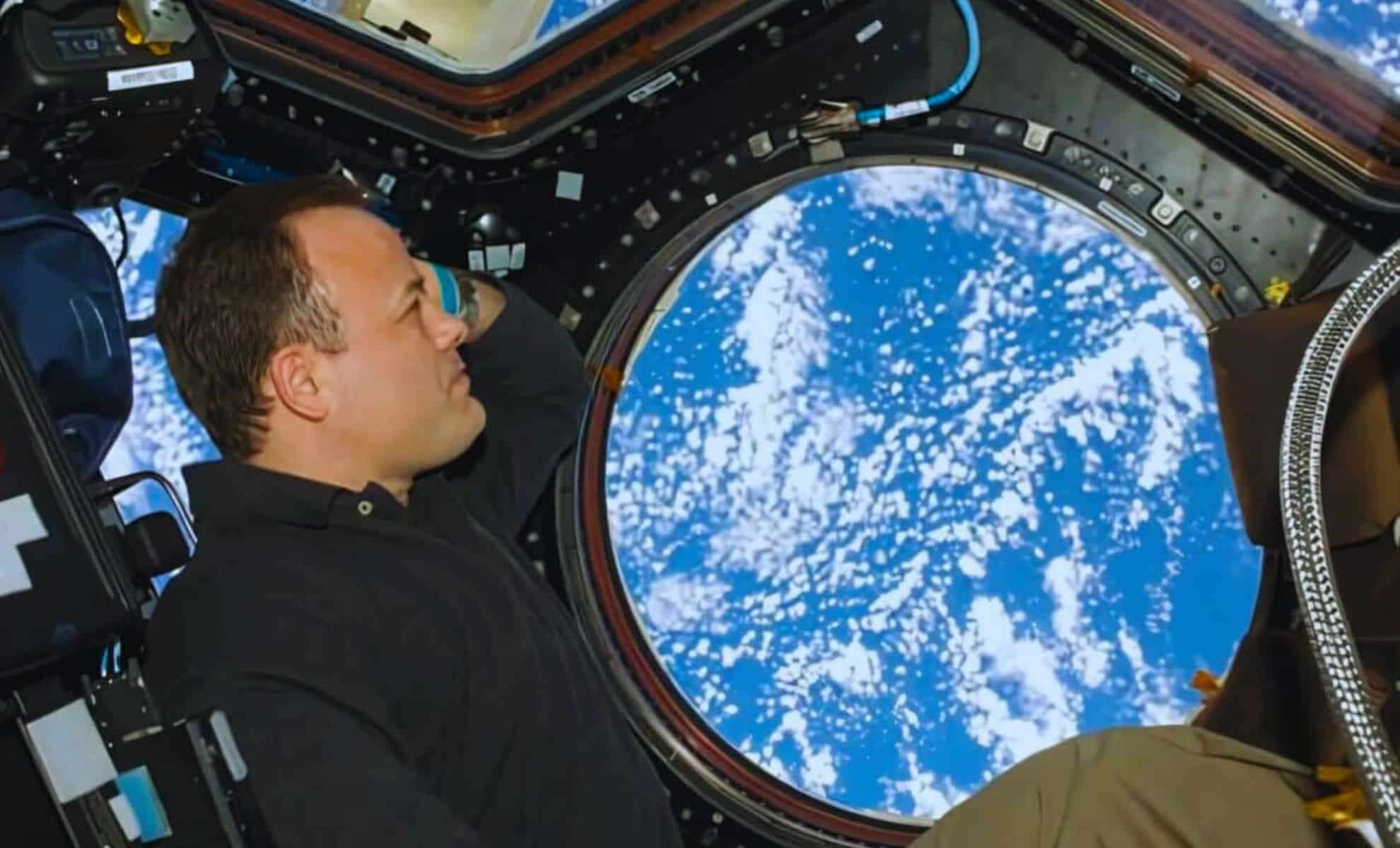
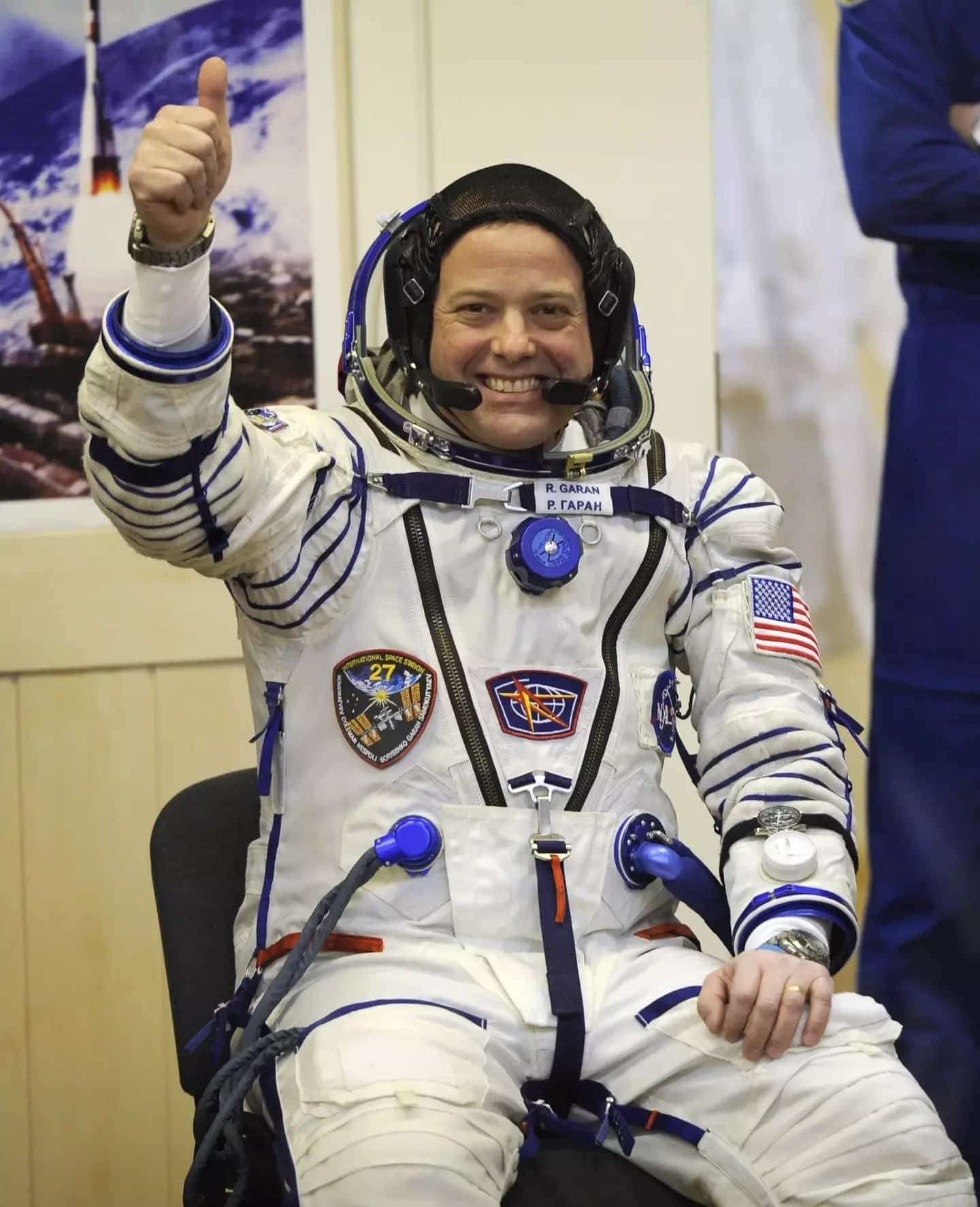
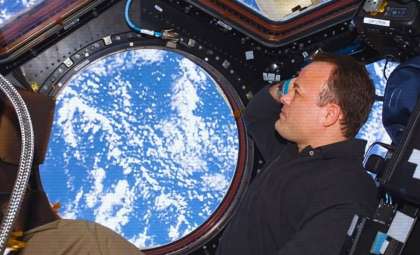
From his vantage point 250 miles above Earth, NASA astronaut Ronald Garan observed far more than just the planet’s surface—he noticed a stark contradiction. The planet’s breathtaking beauty coexisted with fragile ecosystems and a pervasive misconception that shapes humanity’s approach to life. “Seeing Earth from orbit illuminates how our human systems reduce the planet’s essential natural processes to mere economic resources,” Garan reflected. Following 178 days aboard the International Space Station over two missions, this so-called “lightbulb moment” has fueled important discussions about rethinking societal priorities.
A Delicate Blue Shield Enveloping Our World
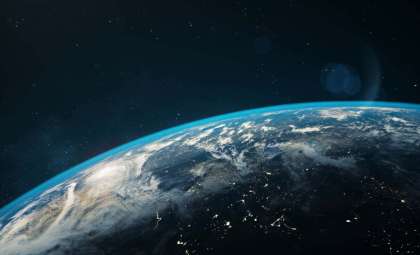
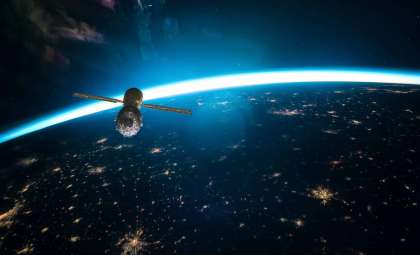
Garan’s insight did not arise from a dramatic incident but instead unfolded during countless hours drifting in space, observing Earth below. What captured his attention was the planet’s thin atmospheric layer, a delicate blue arc he described as “a vital lifeline sustaining all life.” As lightning storms crackled, auroras shimmered, and weather systems swirled in an interconnected dance beneath him, the profound unity of Earth’s systems became indisputably apparent.
This fragile splendor is difficult to perceive from the ground, yet in orbit it commands undeniable recognition. “You grasp the intricate interconnection of everything,” Garan recounted in a Big Think interview. “Yet you also witness how disconnected our institutions are from the reality of that unity.” His message extended beyond climate change to highlight a globally systemic imbalance.

The Economic Priority Astronauts Challenge
Looking down from space, Garan identified the issue as less about technology or knowledge, and more about worldview. Our world is structured so that economic interests take precedence over social well-being and environmental sustainability, rather than supporting them. He refers to this as the fundamental “lie” underlying contemporary life.
“We are living under a falsehood,” Garan stated plainly. That falsehood is the belief in endless growth and profit as the primary goals, even when they degrade Earth’s vital life-support networks. “The economy doesn’t form the base—Earth itself is the true foundation. Without a healthy planet, economic activity cannot exist,” he emphasized.
This perspective resonates with growing warnings from climate experts, economists, and policymakers. According to a 2021 report from the Stockholm Resilience Centre, humanity has already surpassed several “planetary boundaries,” such as biosphere integrity and biogeochemical cycles, largely driven by economic forces. Garan’s observations affirm that our current model is unsustainable; those who have seen Earth firsthand from space have a unique vantage point on this crisis.
Why the ‘Earthrise’ Image Remains Transformative Decades On
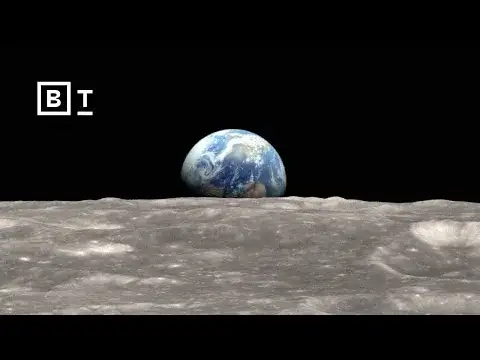
Garan frequently cites the profound impact of the iconic Apollo 8 Earthrise photograph captured in 1968. This image sparked a powerful shift in global consciousness, showing Earth as a solitary, beautiful orb drifting in darkness. “It helped us see Earth as a unified system, our shared home,” Garan explained.
More than fifty years later, astronauts continue to describe a similar psychological transformation known as the “overview effect”. Experiencing spaceflight changes how people perceive the planet—fostering feelings of unity, vulnerability, and heightened stewardship. Individuals from around the world recount a profound sense that national divisions fade when viewing Earth from orbit.
“There are no ‘others’—only all of us together,” Garan asserted. This sentiment has resonated across environmental advocacy, global governance discussions, and ethical debates. When those who have witnessed this perspective converge on a shared truth, perhaps it’s time we heed their words.



0 comments
Sign in to Comment