
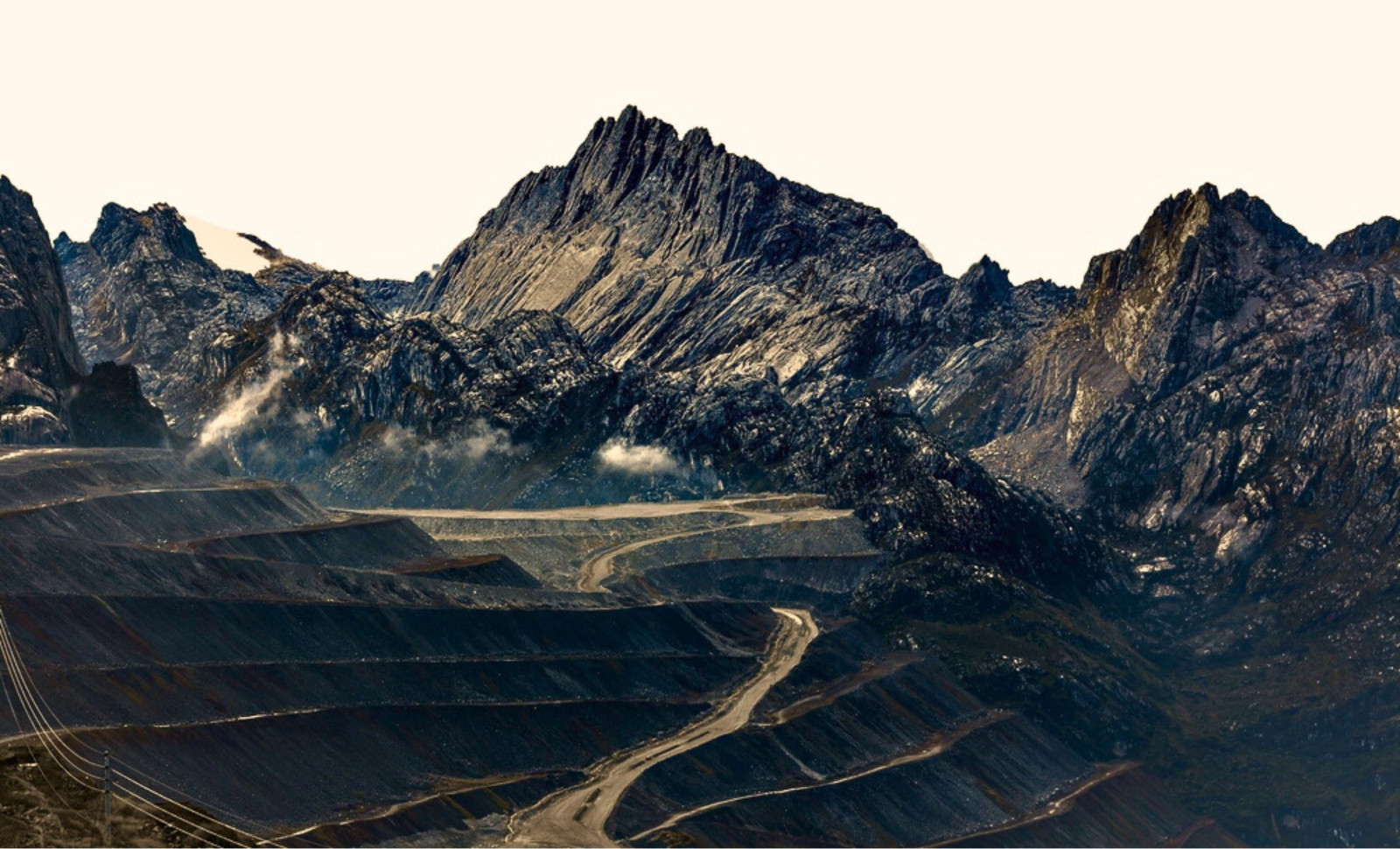
Some geological features have the power to redefine entire landscapes, while others influence entire economies. In South Africa, the Witwatersrand Basin is a prime example of both. Originating approximately 2.7 billion years ago during the Archean Eon—a time when Earth’s crust was still forming and oxygen levels were scarce—this region now appears as unassuming hills near Johannesburg, crisscrossed by roads, neighborhoods, and relics of old mines. Yet beneath the surface lies an astonishing wealth.
Beneath these ridges lies the wealthiest known source of gold ever discovered. Historical data and geological surveys reveal that about 40 percent of all gold extracted by humanity has come from this singular basin, an unmatched record sustaining over a century of continuous mining activity.
Ancient River Systems Shaping Rich Deposits
The Witwatersrand Basin is a vast sedimentary basin formed from layered rocks that once contained ancient rivers, floodplains, and inland waters. Around three billion years ago, flowing water traversed volcanic areas called greenstone belts, eroding mineral-rich rocks and transporting the material downstream.

Gold, due to its density, settled quickly out of moving water, accumulating in riverbeds and gravel bars. Over time, these sediments were buried and compacted under heat and pressure, transforming them into tough rock known as conglomerates, which preserved the original gravel layers in stone. This deposit type is referred to as a paleoplacer, an ancient placer deposit transformed into rock.
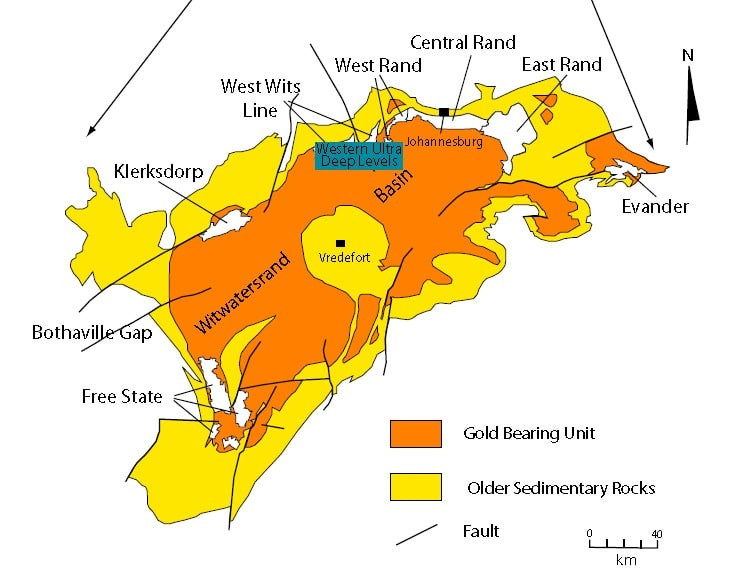
The polished contours of gold grains embedded within these conglomerates bear evidence of transport by water. This physical proof was crucial in debates surrounding the formation of the deposits, suggesting that much of the gold was concentrated at the surface in the Archean by ancient river activity before being buried by tectonic forces that thickened Earth's crust.
The 1886 Gold Discovery That Founded Johannesburg
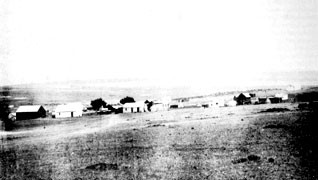
Gold-bearing rock outcrops were uncovered along the Witwatersrand ridge in 1886 by prospectors. This discovery sparked the start of one of the longest-lasting mining operations ever recorded. Within a few years, a tent settlement evolved into Johannesburg, a city built almost entirely around gold mining.
Mining shifted from shallow pits to large-scale industrial operations, anchoring South Africa’s mining sector. By the early 1900s, the nation was the world’s leading gold producer, supported by expanding rail networks, processing facilities, and financial institutions that connected the basin to global markets.
Gold in the basin was typically dispersed as microscopic particles within conglomerate rock rather than found in large nuggets. Extracting it involved crushing enormous amounts of rock and applying sophisticated chemical methods honed over decades. Supporting this massive operation demanded pioneer-scale infrastructure. Alongside gold, significant quantities of uranium were also uncovered, enhancing the basin’s strategic importance.
Geological Insights into the Basin’s Formation
Throughout much of the 1900s, scientists debated whether the Witwatersrand gold formed solely from prehistoric river processes or if later hydrothermal fluids largely contributed to its concentration. Modern geochemical studies have helped resolve this controversy.
Research teams from the University of Arizona examined mineral isotopes and found patterns consistent with erosion from nearby greenstone belts during the Archean era. Their results, highlighted in ScienceDaily, supported the paleoplacer formation model, confirming that surface water first gathered the metal before it was preserved by tectonic processes.
The rocks surrounding the basin are dated between about 2.7 and 3 billion years old, a period dominated by microbial life and predating the emergence of complex plants and animals. As such, the basin not only holds immense gold reserves but also offers invaluable geological records chronicling early continental formation.
Extracting Gold from Extreme Depths
With surface deposits exhausted, mining operators have ventured deeper into Earth’s crust. The Witwatersrand Basin is renowned for some of the world’s most sophisticated deep-level mining. Several shafts extend beyond four kilometers underground, where rock temperatures surpass 50 degrees Celsius and seismic events pose serious challenges.
To sustain mining at these depths, industries implemented advanced cooling systems to reduce heat and engineered robust support structures to ensure tunnel stability. Despite these hurdles, production has persisted for over a century, consistently yielding remarkable gold quantities, though annual output has gradually declined from its highest levels.
Crafted during the Archean and mined continuously since 1886, the Witwatersrand Basin has accounted for approximately 40 percent of all gold extracted globally, making it a geological and industrial marvel documented extensively in mining records and geological surveys.
- Categories:
- News




0 comments
Sign in to Comment