
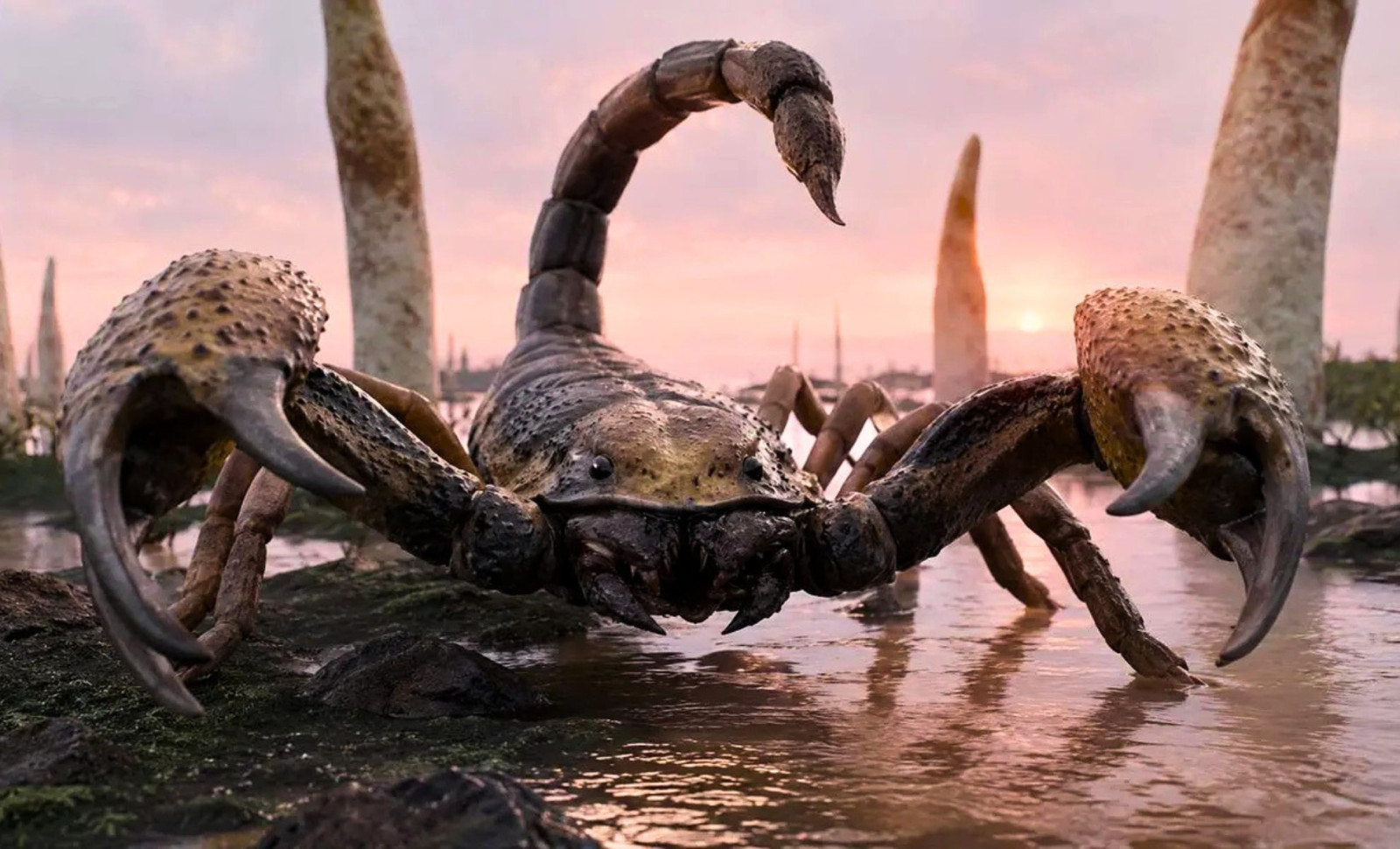
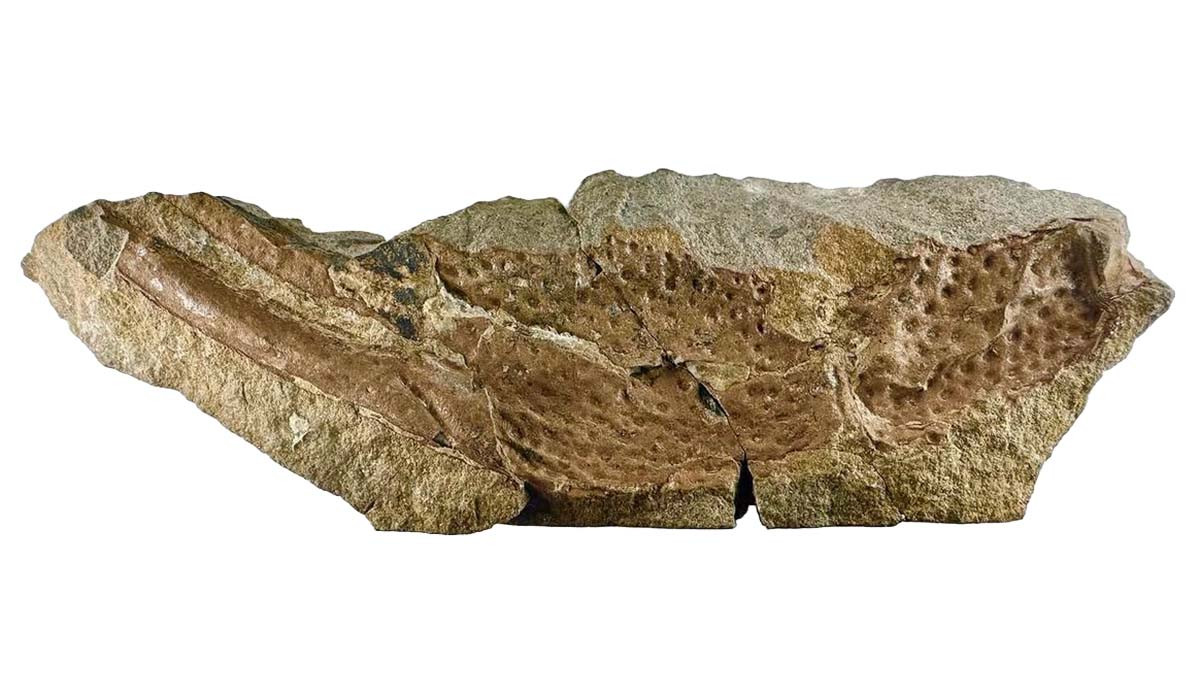
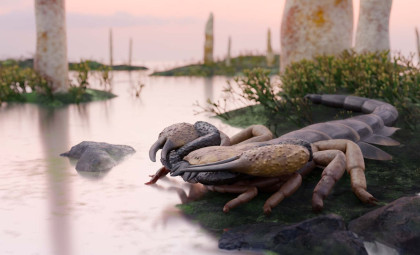
A remarkable 16-centimetre fossilized claw unearthed in the UK has provided clarity on a century-old mystery: it is part of Praearcturus gigas, now established as the largest scorpion ever discovered. By analyzing the claw’s dimensions, scientists estimated the total body length of the creature to surpass one metre, according to research published in Palaeontology.
Dating back 415 million years to the Early Devonian era, this period marked the dawn of terrestrial animal life. Land colonization from marine environments had only occurred about 15 million years prior to Praearcturus' existence, with the surface mainly covered by fungi, moss, and diminutive plants. Discovering such a large predator at this early stage offers intriguing insights into prehistoric ecosystems.
Misidentified and Renamed Over 100 Years
Initially identified by Henry Woodward in 1871, Praearcturus was mistaken for a massive crustacean resembling a woodlouse. This misclassification is embedded in its name, referencing Arcturus, a genus of modern woodlice. Due to incomplete fossils lacking a scorpion’s signature tail, a correct classification was elusive.

Hints that Praearcturus was actually a scorpion emerged in the 1980s but lacked definitive proof. Only in 2015, following the discovery of a well-preserved ancient scorpion, Eramoscorpius, from Canada, did the evidence become conclusive.
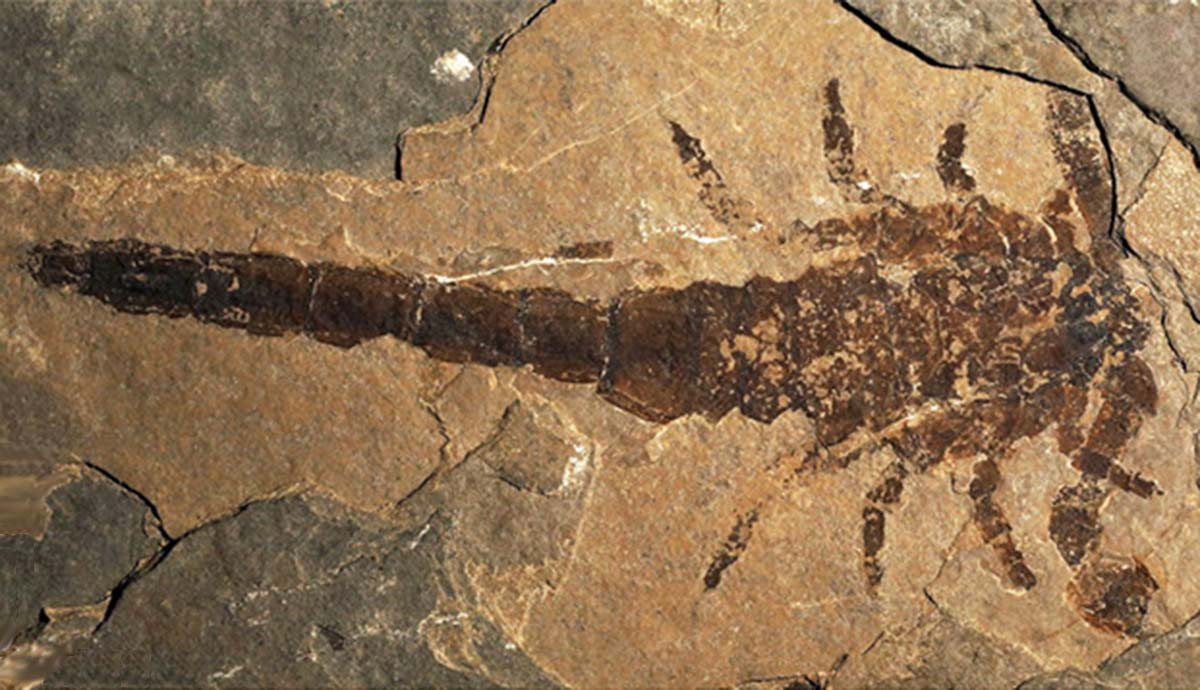
Dr Richie Howard, leading the new research and Curator of Fossil Arthropods at the Natural History Museum, London, noted that Eramoscorpius exhibited a distinct sternum, a pointed triangular plate with a central groove on the underside of its shell. Praearcturus shared this trait, leading Howard to assert, “this proves beyond any doubt that Praearcturus was a scorpion.”
Estimating Enormous Size from a Single Claw
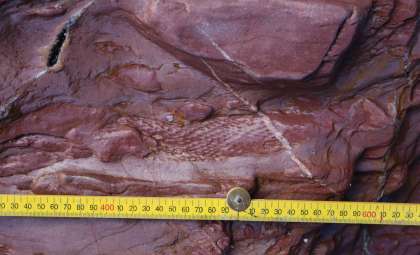
Without any complete skeletons of Praearcturus, its true size was inferred using fossil fragments. The pivotal piece was a 16-centimetre claw, which scientists compared against body-to-claw proportions of related species, resulting in an estimated total length exceeding one metre — surpassing previous records by a wide margin.
Today’s largest scorpion, the Indian forest scorpion, grows up to around 23 centimetres — just a fraction of Praearcturus’ estimated size. Such size differences often relate to habitat constraints; aquatic and semi-aquatic arthropods can reach greater dimensions since water supports their weight. This explains why the Japanese spider crab, with a leg span nearing four metres, holds the record for the biggest living arthropod while terrestrial species remain smaller.
Early Land Dominance with Limited Competition
Devonian fossil sites like Scotland’s Rhynie Chert depict a land environment dominated by small plants, fungi, and pioneering arthropods, lacking the complex food chains later developed.
Howard emphasizes that giant arthropods usually call to mind Carboniferous species such as the six-foot millipede Arthropleura or griffinflies, which lived at least 55 million years after Praearcturus, once terrestrial ecosystems had matured.
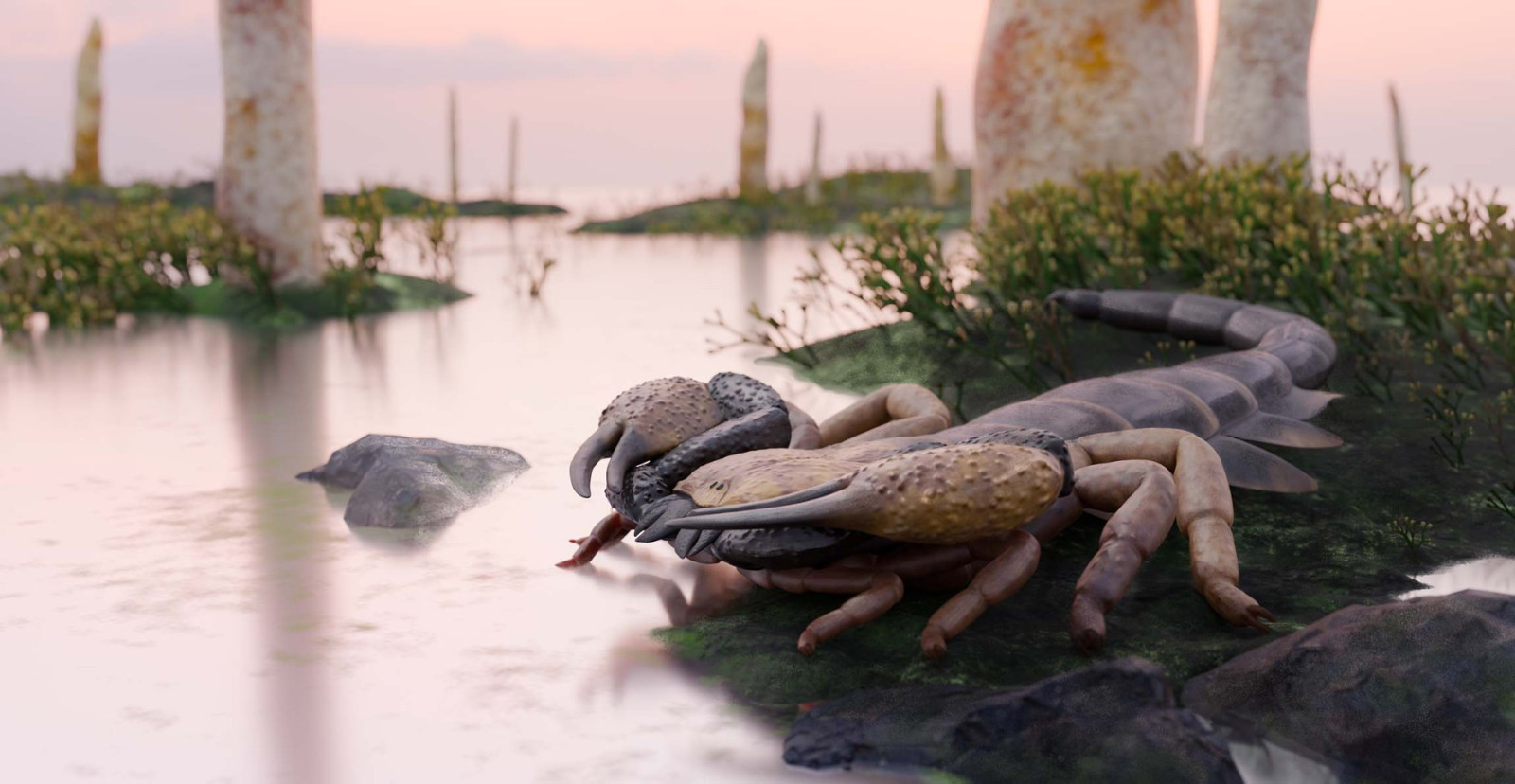
This timeline gap helps clarify how Praearcturus reached such a massive size so early. With few large predators vying for limited arthropod prey, Howard suggests the scorpion “may have grown huge due to absence of competitors, enabling it to rule its habitat.” On land, it likely faced almost no rivals.
Evidence Points to a Dual Land-Water Lifestyle
Fossils from Portishead, North Somerset imply that Praearcturus or a close relative might have survived for another 40 million years, though the connection is uncertain. Welsh fossils reveal flap-like epimera structures akin to those on modern lobsters and crabs. Howard comments, “with simple ecosystems unable to sustain Praearcturus fully on land, it probably spent part of its life hunting in aquatic environments.”
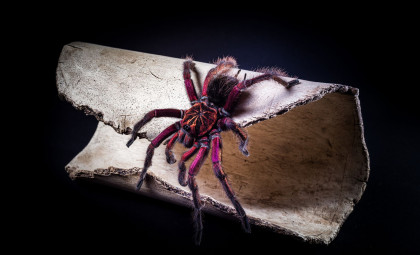
Dr Greg Edgecombe, co-author and fossil arthropod specialist at the Natural History Museum, highlights that genetic studies place scorpions near spiders and other arachnids possessing book lungs, suggesting scorpions evolved from ancestors capable of breathing air.
If true, Praearcturus may represent a lineage that moved onto land but returned to water life, likely preying on fish and other aquatic animals absent from the sparse shoreline. Additional fossil discoveries are required to clarify the species’ longevity and eventual extinction.
- Categories:
- Science




0 comments
Sign in to Comment