

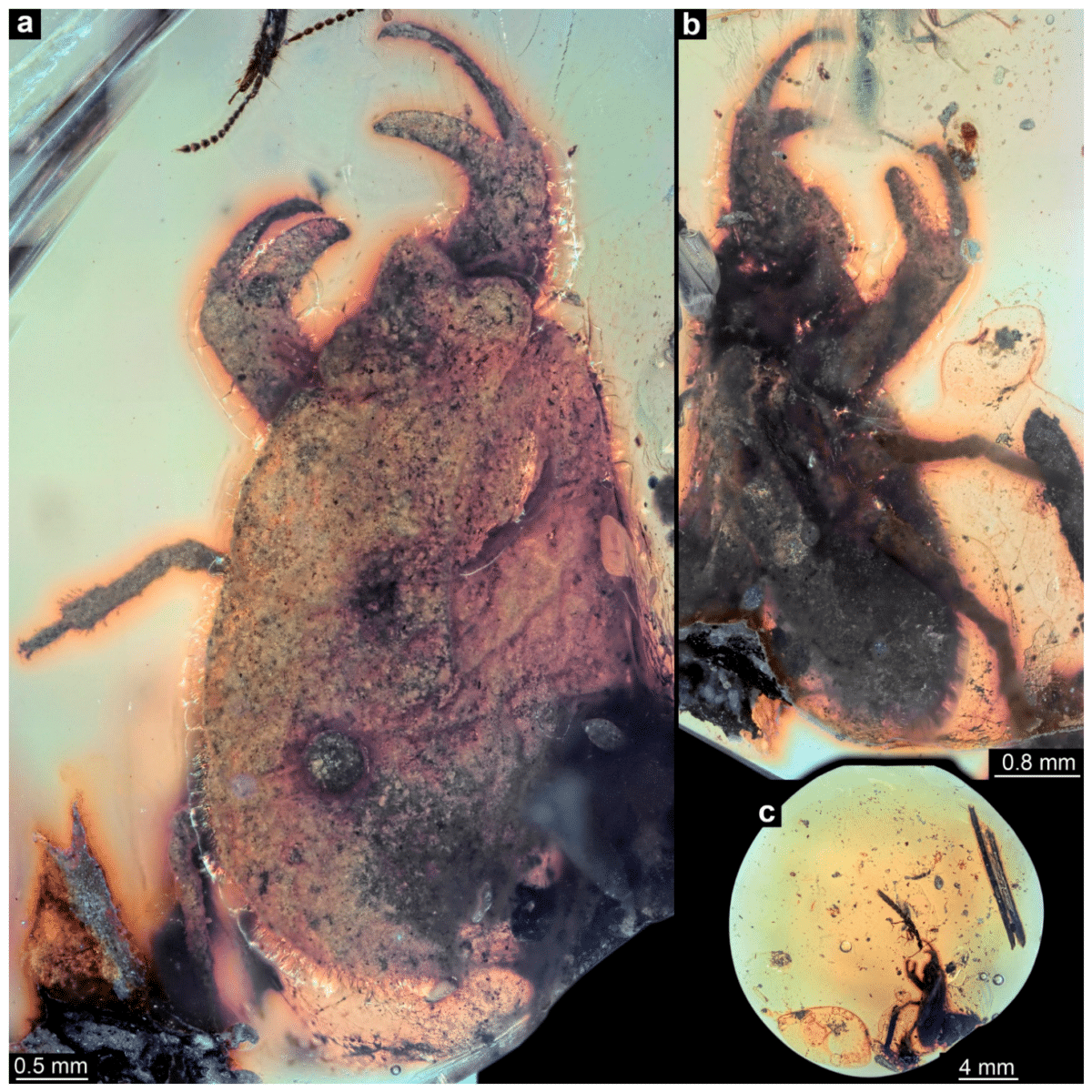
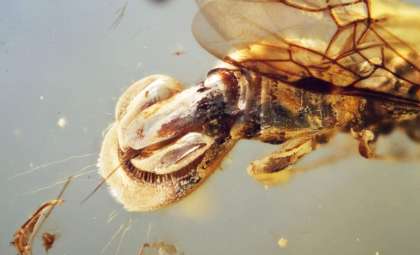
A 100-million-year-old insect ensnared in amber from Myanmar has unveiled a distinctive true bug sporting crab-like pincers on its front legs. Scientists at LMU Munich have classified this as a newly identified species, now called Carcinonepa libererrantes.
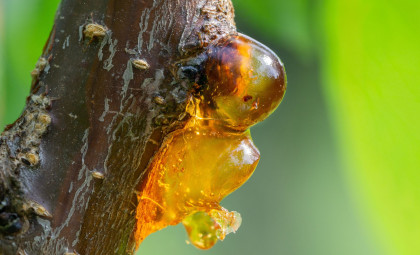
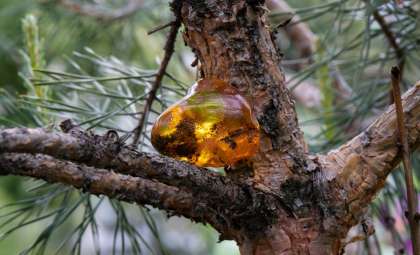
The Kachin area in Myanmar is well-known for amber that impeccably preserves ancient life forms. Decades of research have uncovered a diverse array of insects, plants, and other organisms, shedding light on ecosystems from 100 million years ago. Published in Insects, the study emphasizes how this region consistently yields species previously unknown to science, making it an invaluable site for studying prehistoric biodiversity. Among these findings is an extraordinary true bug characterized by front legs ending in chelae—claw-like appendages exceedingly rare in insects.
Examining the Unique Claws
Zoologist Carolin Haug, who led the study, noted in a university release that such specialized claws had only been seen in three other insect groups before, marking this as just the fourth independent instance of their evolution.

The research team, including members from the University of Rostock and University of Oulu, employed micro-computed tomography to capture a comprehensive 3D model of the specimen encased in amber. Their findings reveal that the chelae of C. libererrantes markedly differ from those observed in other insect species.
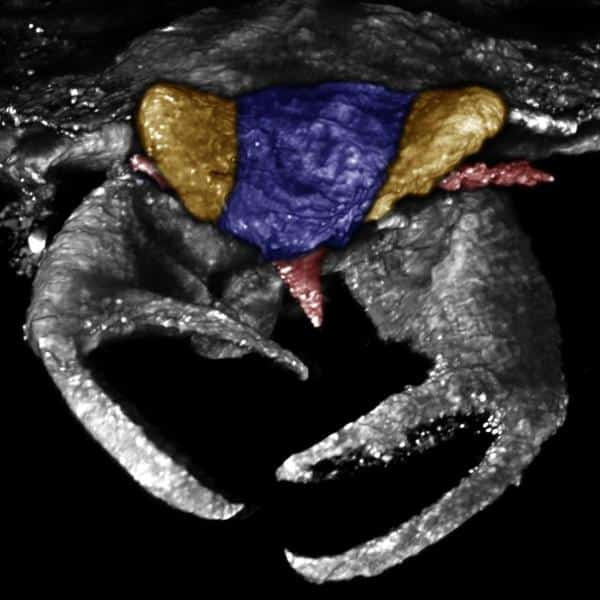
After comparing over 2,000 claw and grasping adaptations from both extinct and extant organisms, similar patterns emerged predominantly among crabs, lobsters, and shrimps. This highlights how evolution can independently recreate similar tools across unrelated groups.
The Meaning Behind the Name
Due to its extraordinary appendages, the fossil was classified into its own genus and species. The genus name, Carcinonepa, merges “carcino-” referring to crabs with “nepa,” linked to true water bugs. Haug also revealed the species name honors a popular K-pop group.
“The species name libererrantes is a Latinization of the highly successful K-pop group Stray Kids,” she explained . “The name seemed fitting because the posture of the fossil’s chelae strongly resembles the group’s trademark pose. Stray Kids, I should add, is the favorite band of one of the paper’s authors, Fenja Haug.”
Insights Into an Ancient Predator
Based on its preserved characteristics, C. libererrantes is classified among true water bugs (Nepomorpha), closely related to today’s Gelastocoridae, commonly known as toad bugs. Its claws likely helped it seize small prey, indicating a carnivorous lifestyle comparable to its extant relatives.
“The morphology of [the newly discovered bug] suggests that this species had a similar lifestyle,” said Haug. “We can imagine it living in a Cretaceous forest, probably near the coast.”
Features of the body suggest C. libererrantes inhabited terrestrial or coastal forested areas during the Cretaceous period. Haug adds that uncovering such fossils aids scientists in understanding how ancient insects adapted and thrived within their habitats, showcasing the rich insect diversity of that era.
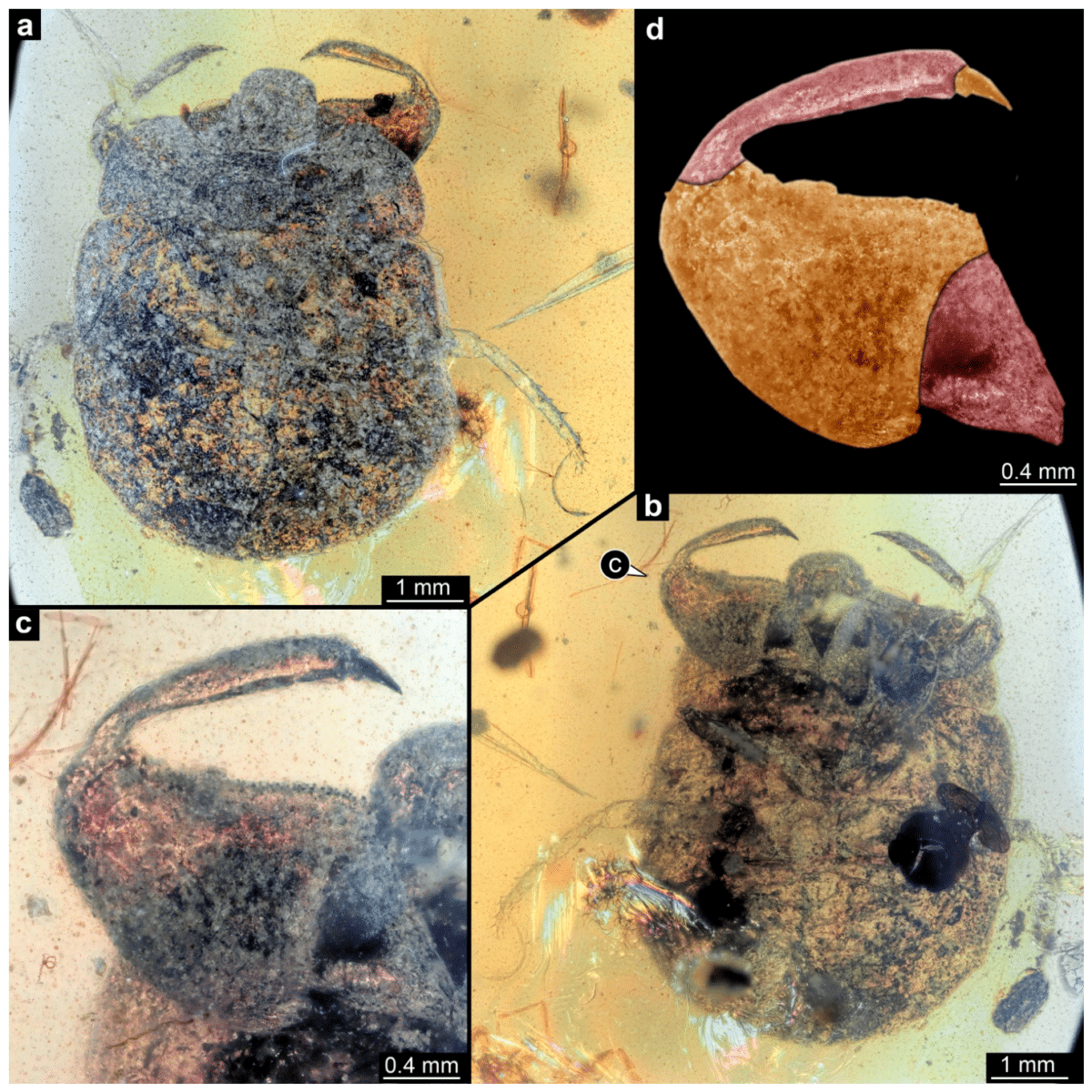
Findings like Carcinonepa libererrantes, entombed in amber, suggest that insects were evolving unique anatomical features. LMU scientists emphasize:
“Amber from the Kachin region of Myanmar has preserved a wealth of fossils offering insights into the diversity of the Cretaceous fauna of a 100 million-year-old forest ecosystem. The site continues to yield previously unknown species.”
- Categories:
- Science




0 comments
Sign in to Comment