
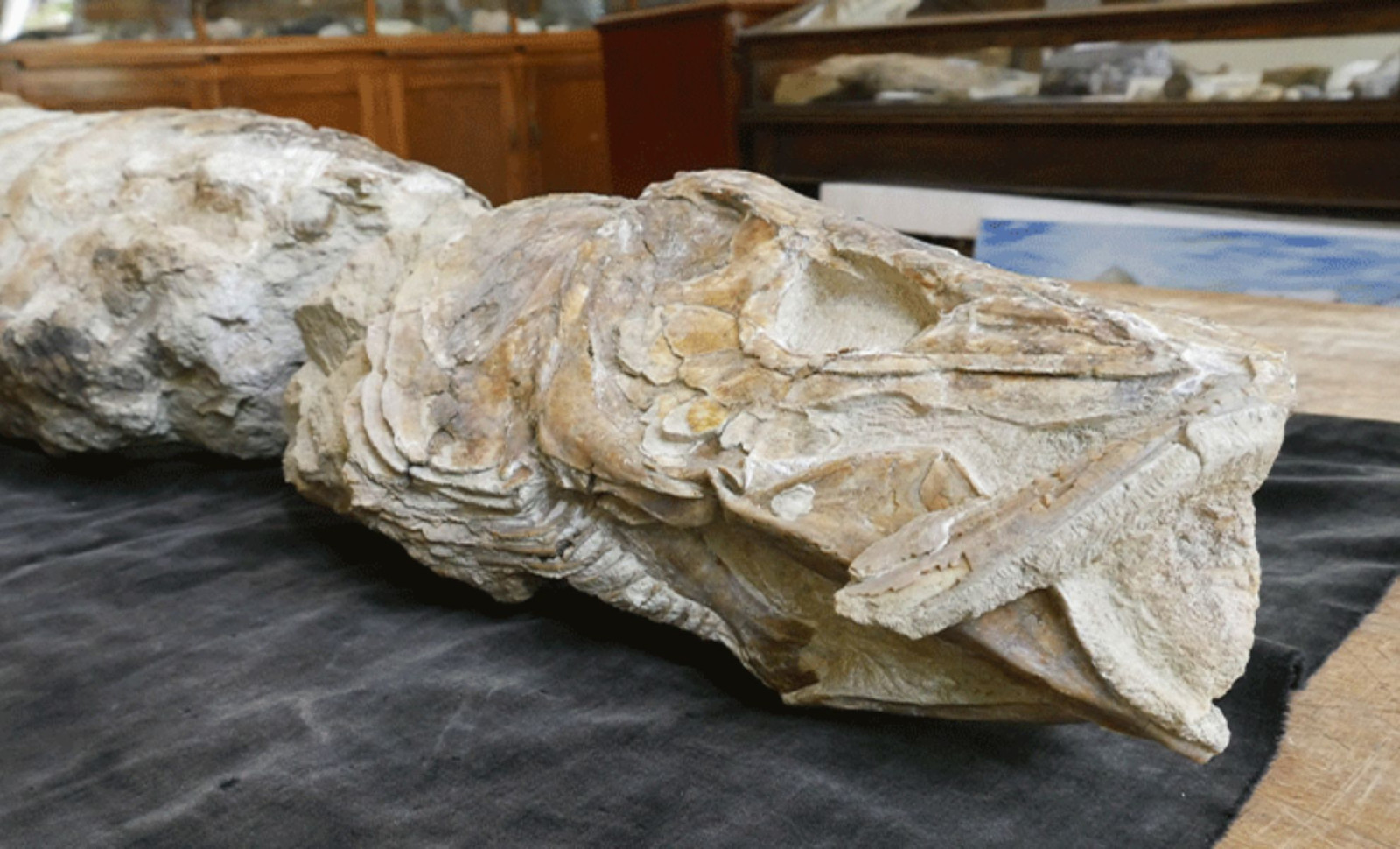
A fossilized fish discovered almost three decades ago on Pitt Island has finally been identified, thanks to forgotten field journals left by the late paleontologist Richard Köhler. These invaluable notes clarified the fossil’s original discovery site, enabling a comprehensive analysis of one of New Zealand’s most extraordinary fossilized fishes.
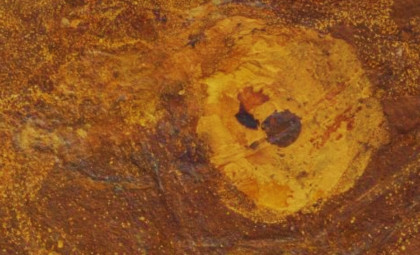
During a 1999 expedition to the Chatham Islands, this fossil stood apart due to its rare three-dimensional preservation, defying the typical flat fossil formation of fish specimens.
Although researchers recognized its importance early on, the absence of precise location information stalled formal classification. The breakthrough came in 2025 when Köhler’s family gifted his archival fieldbooks to the University of Otago, unlocking the missing details.

The Climb That Unearthed a Unique Specimen
Richard Köhler initially spotted the fossil embedded within cliff faces at Waihere Bay, situated on Pitt Island’s rugged western shore. Navigating the terrain wasn’t easy; after locating the fossil, Köhler trekked three kilometres to Flowerpot Bay to borrow a ladder. Returning carefully with this tool, he extracted the fossil in multiple large blocks and transported them back to Dunedin for study.
The fossil immediately drew scientific curiosity. Professor Daphne Lee of the University of Otago recalled that she and the late Ewan Fordyce were intrigued by Köhler’s find.
“It was quite unlike any other fish fossil known from Aotearoa New Zealand,” Lee said.
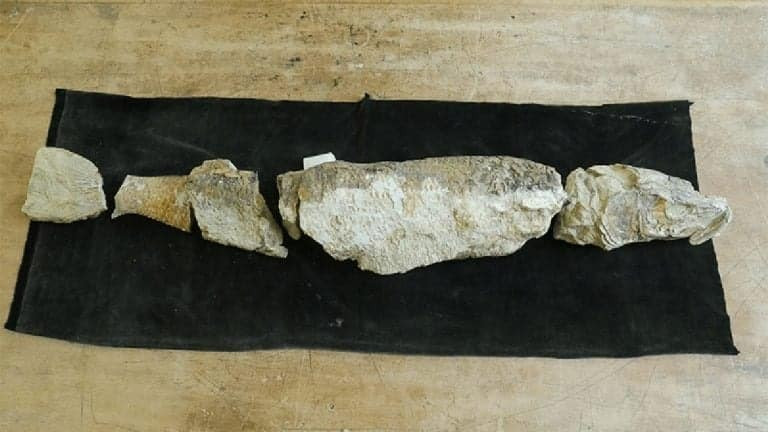
The fossil was meticulously prepared by the late Andrew Grebneff, who preserved vital details for future examination.
Revealing a Predator of the Paleogene Era
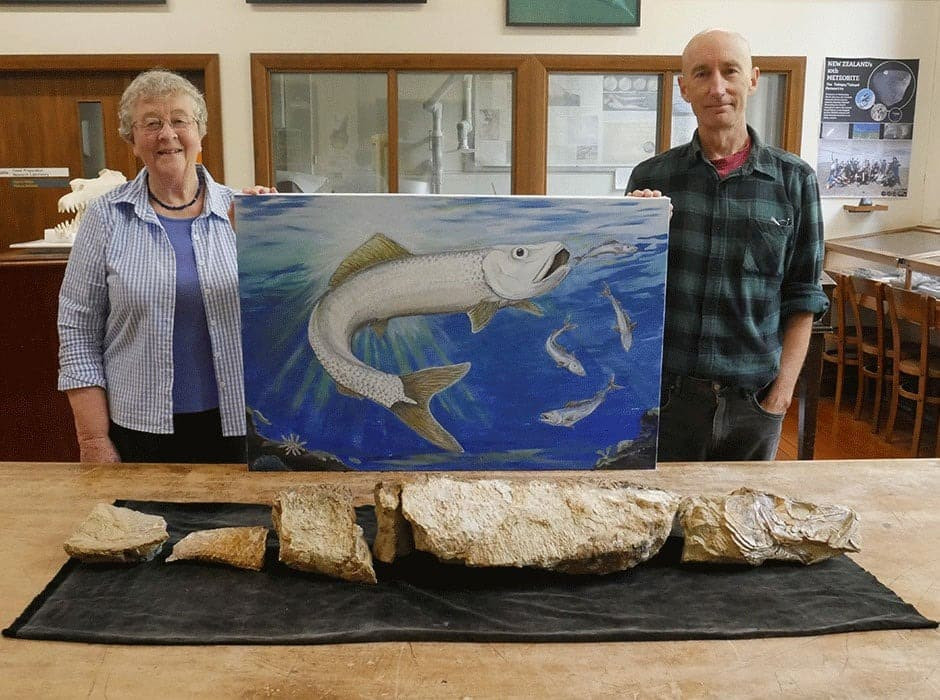
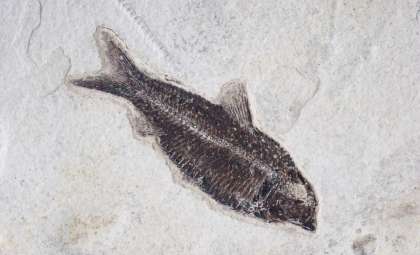
Years after its discovery, the fossil attracted the expertise of Mike Gottfried, a specialist in fossil fish from Michigan State University. His analysis led to identifying the species. Published in the New Zealand Journal of Geology and Geophysics, the study describes this tarpon-like fish as roughly 1.2 metres long. While modern tarpons no longer inhabit New Zealand’s waters, they are known as formidable predators.
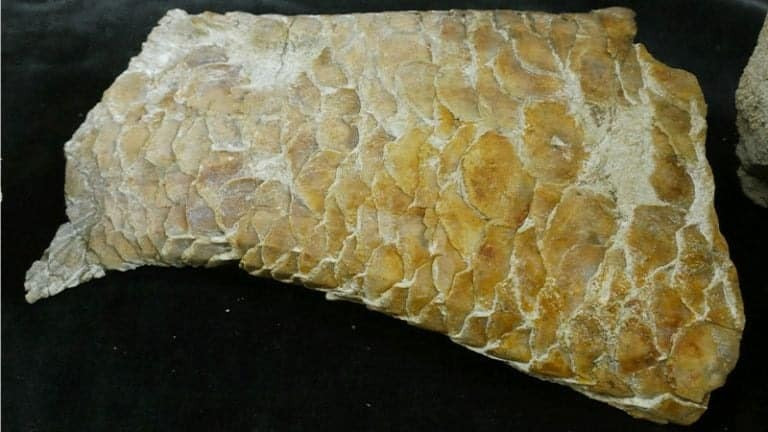
Features like an elongated body, robust caudal fin, tough scales, and an upward-facing mouth imply it hunted smaller fish aggressively. This specimen, dating back nearly 55 million years, is the first recognized Paleogene bony fish of its type from Aotearoa New Zealand, and was named Ikawaihere koehleri.
Hidden Insights from a Family Archive
For years, progress on the fossil’s classification was hindered due to incomplete data about its exact discovery location.
“However, some key geological information about where the fossil was found was lacking, since Richard had sadly passed away some years earlier,” said the authors.
The turning point arrived unexpectedly in early 2025 when one of Köhler’s children, a University of Otago student, visited the geology department seeking photographs of their father. This encounter with Lee led to the donation of Köhler’s field notebooks.
These records, which detailed the Pitt Island study, contained sufficient data to complete a Fossil Record Form and formally document the fossil. The study was published on January 17, 2026. The species’ name honors both Richard Köhler and the fossil’s discovery site at Waihere Bay. The naming process was approved with gratitude to Heidi Lanauze and the Hokotehi Moriori Trust.
“It is a fitting tribute to Richard, Ewan and Andrew. We’re extremely grateful to Richard’s family for donating his notebooks – we could not have done this without them.” Lee said.
Gottfried described the fossil as “remarkable,” emphasizing how it enriches understanding of tarpon evolution and preserves intricate anatomical features rarely seen in the fossil record.
- Categories:
- Science


0 comments
Sign in to Comment