
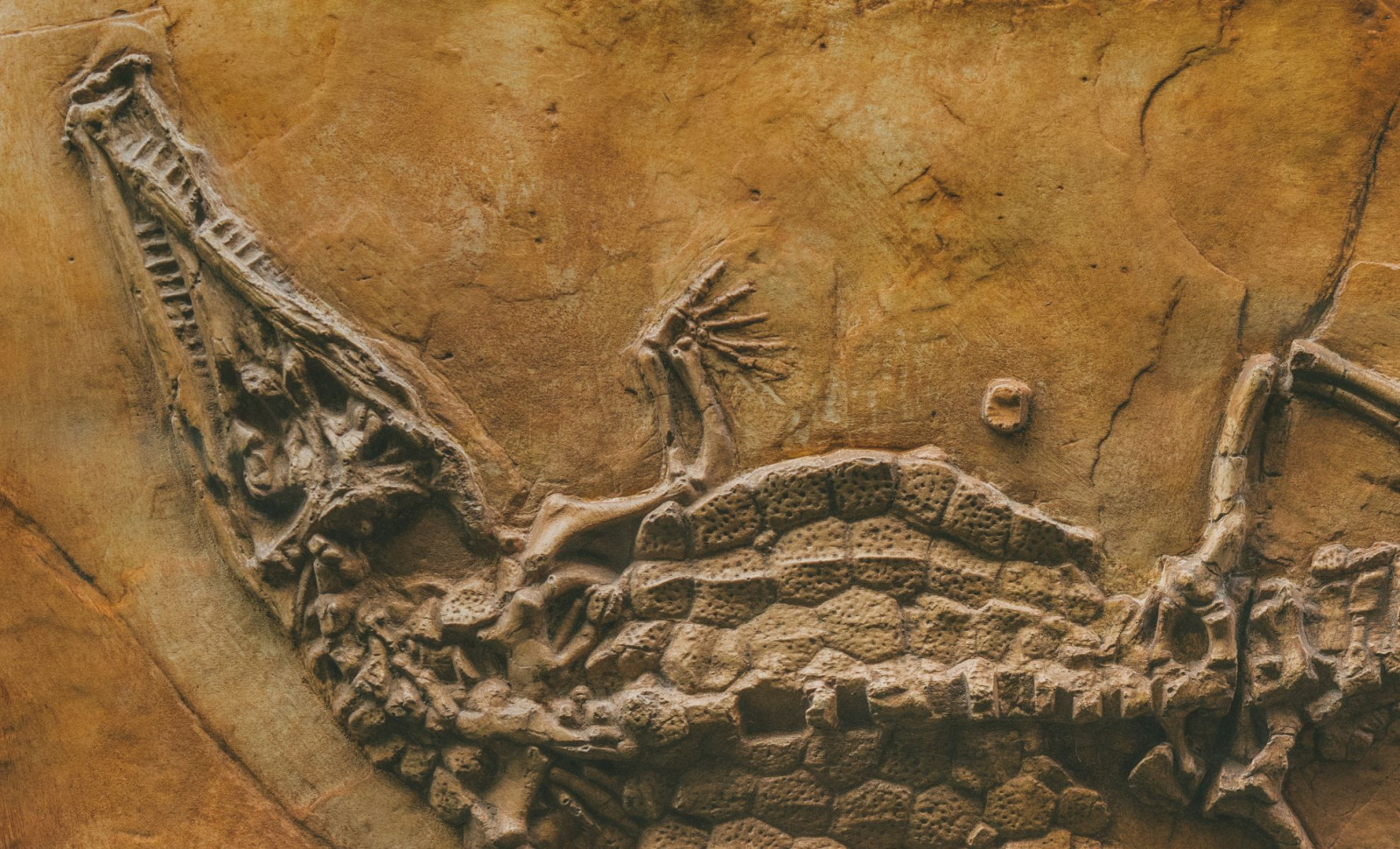
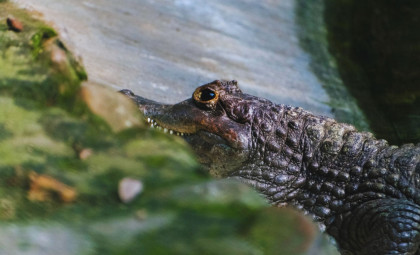
Scientists have uncovered a previously unknown species of crocodile from Ethiopia that coexisted with the famous fossil hominin Lucy more than three million years ago. This formidable reptile likely ruled as the apex predator across the wetlands and waterways of that era.
Dubbed Crocodylus lucivenator, or "Lucy’s hunter," this creature was detailed by an international group of scientists led by the University of Iowa in a study published in the Journal of Systematic Palaeontology. This revelation links one of the globe’s most iconic fossil sites to a carnivorous predator that remained unnamed despite numerous fossil fragments collected over decades.
The Top Predator of Hadar's Ancient Wetlands
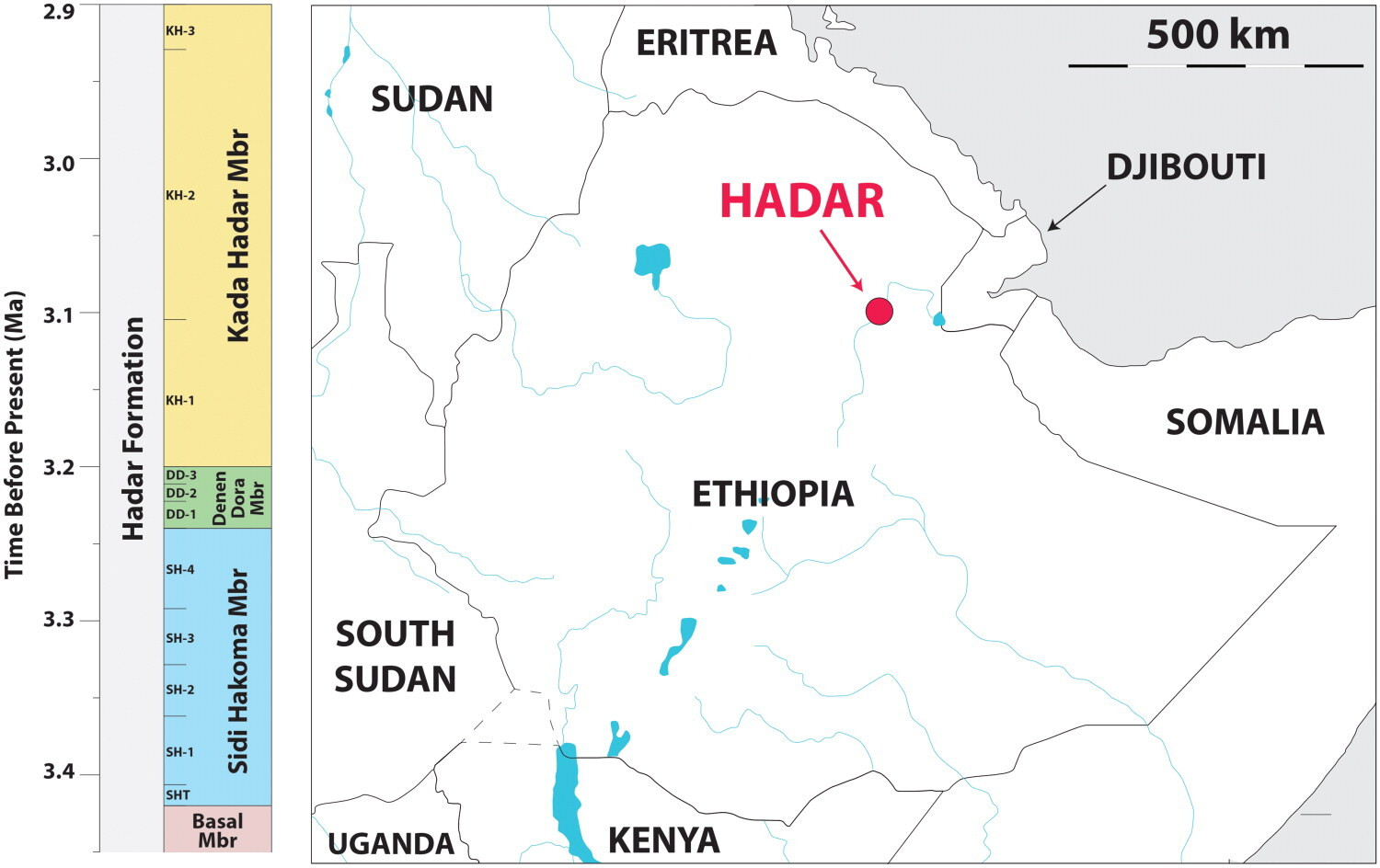
The research, available through the Journal of Systematic Palaeontology, outlines that Crocodylus lucivenator existed roughly between 3.4 and 3 million years ago in northeastern Ethiopia. Its remains were recovered from Hadar, a key site shaping our knowledge of human ancestry.

Scientists estimate adult specimens measured around 12 to 15 feet long and weighed between 600 and 1,300 pounds. This crocodile is believed to have been an ambush hunter, lurking submerged in waters and striking unsuspecting animals near rivers and lakes.
Christopher Brochu, Earth and Environmental Sciences professor at the University of Iowa and lead author, emphasized the crocodile’s role as the dominant predator within its ecosystem.
“It was the largest predator in that ecosystem, more so than lions and hyenas, and the biggest threat to our ancestors who lived there during that time,” Brochu said.
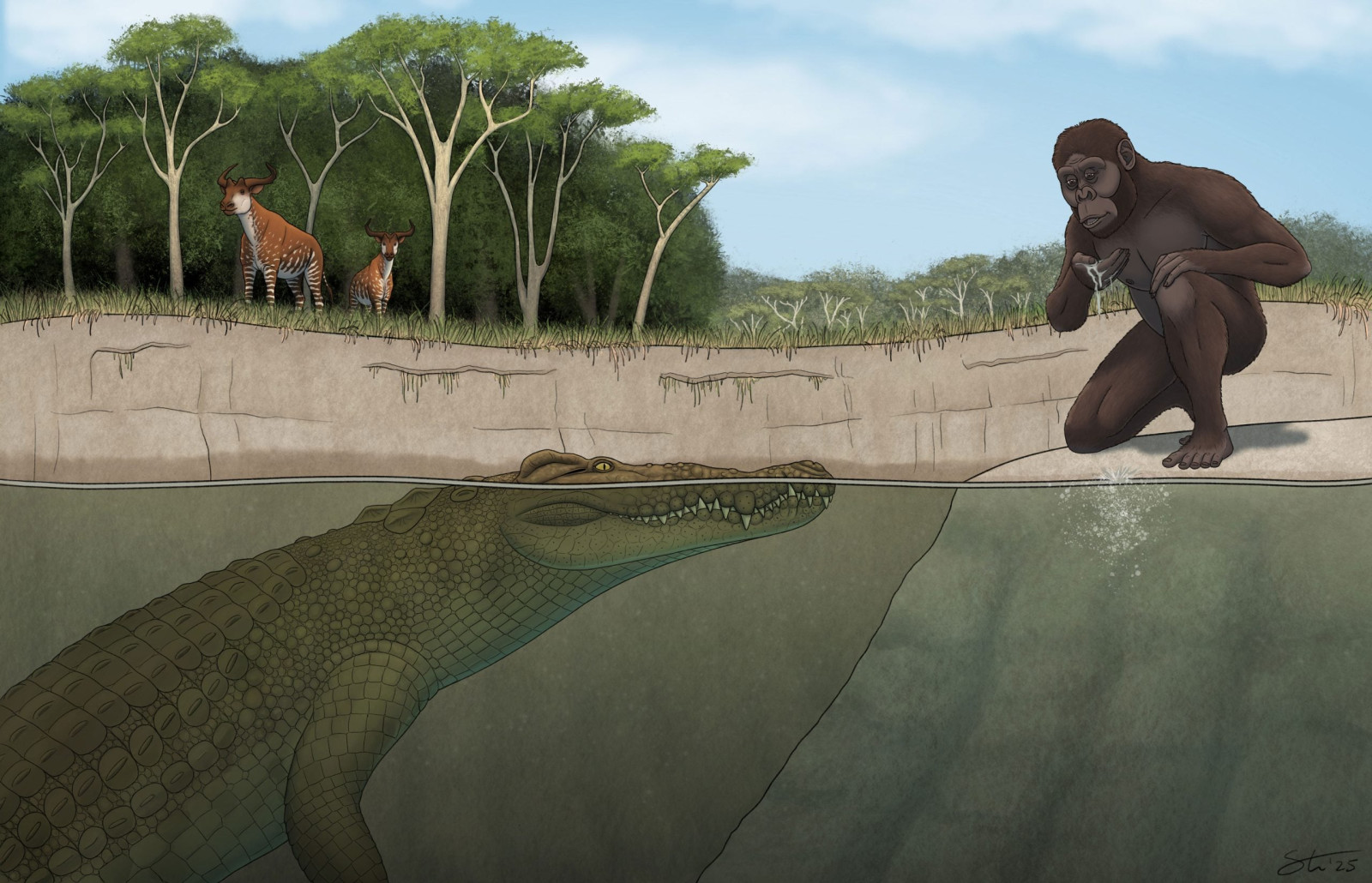
The team notes that this crocodilian is currently the only species of its kind definitively identified from the Hadar region.
Distinct Snout Traits Reveal a New Species
The fossil remains were stored for years before researchers realized they belonged to a unique species.
Brochu first studied the fossils in 2016 during a visit to a museum in Addis Ababa, noting an unusual combination of anatomical features. Most striking was a raised bump near the middle of the snout.
The scientists point out that this feature resembles one found in modern American crocodiles, but is absent in Africa’s common Nile crocodile. They hypothesize this bump might have served as a display trait.
“You see this in some modern crocodiles,” Brochu explained. “The male will lower his head down a little bit to a female to show it off.”
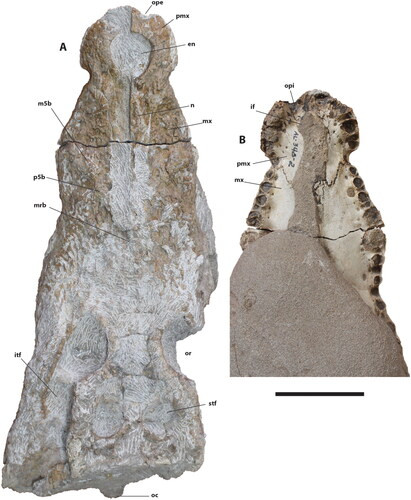
Additionally, researchers observed the snout extending beyond the nostrils more than that of contemporaneous crocodiles, resembling the longer snouts characteristic of some modern species.
Evidence of Ancient Rivalry Preserved in Fossils
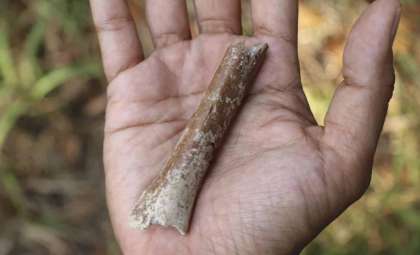
The species description is based on 121 fossil entries, including pieces of skulls, teeth, and jaws from numerous individuals. Since most fossils were fragmentary, the team reconstructed skeletal parts to gain a fuller picture of the crocodile’s form. One specimen displayed signs of healed injuries.
Stephanie Drumheller from the University of Tennessee, co-author of the work, highlighted healing wounds on the jaw area.
“The fossil record preserves similar injuries in extinct groups as well, so this kind of face-biting behavior can be found throughout the crocodile family tree,” she said.“We can’t know which combatant came out on top of that fight, but the healing tells us that, winner or loser, this animal survived the encounter.”
Christopher Campisano of Arizona State University added that Hadar encompassed diverse habitats over time, such as woodlands, shrublands, wet grasslands, and lakeside zones. Throughout these environmental shifts, Crocodylus lucivenator appears to have been a persistent presence.
- Categories:
- Science





0 comments
Sign in to Comment