
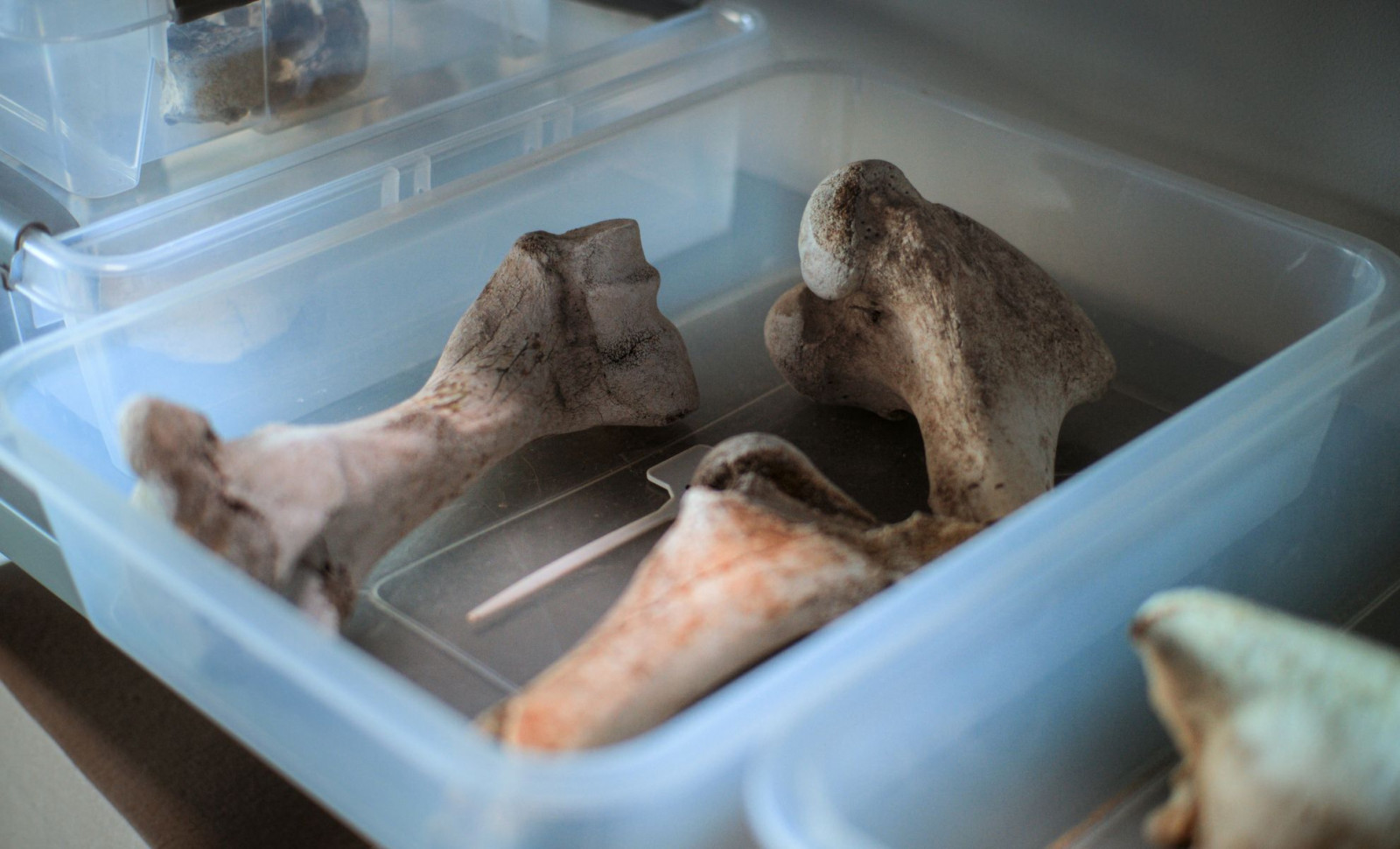
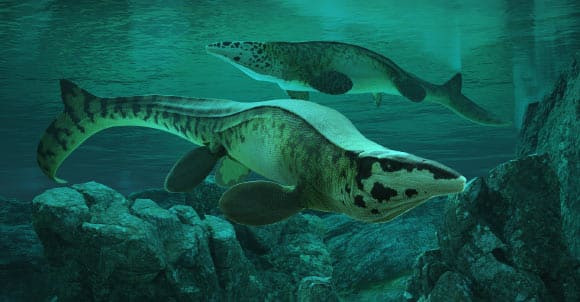
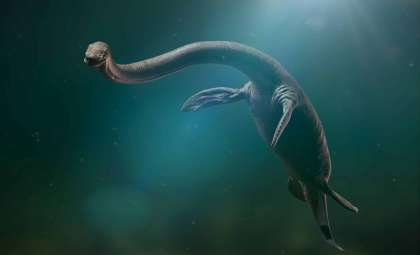
Scientists have identified a massive marine predator from about 80 million years ago as a new species after analyzing fossils preserved in museum archives. Dubbed Tylosaurus rex, this creature measured up to 13.2 meters (43 feet), likely making it one of the top predators in its era.
The breakthrough arose not from fresh excavations but through a detailed reevaluation of specimens collected many years earlier. What was initially classified under a known species was revealed to be something distinct.
Mosasaurs, ocean-dwelling reptiles that roamed during the Late Cretaceous period—roughly 100 to 66 million years ago—are often mistakenly lumped with dinosaurs. However, they are more closely related to modern-day monitor lizards and snakes.

Within mosasaurs, the tylosaurines stood out with their elongated and sleek bodies and toothless snouts. They were among the first to achieve great sizes, some exceeding 8 meters (26 feet). Their fossils have been unearthed worldwide, although the ancient Western Interior Seaway in North America is one of the most significant regions where they thrived.
Reexamination of Museum Fossils Reveals New Species
The investigation began when Dr. Amelia Zietlow from the American Museum of Natural History noticed that a certain fossil in their collection did not align with its assigned species. Originally identified as Tylosaurus proriger, comparative analysis showed it was actually a different species.
This led the team to review more than a dozen comparable fossils from multiple institutions, eventually classifying them under the new species: Tylosaurus rex.
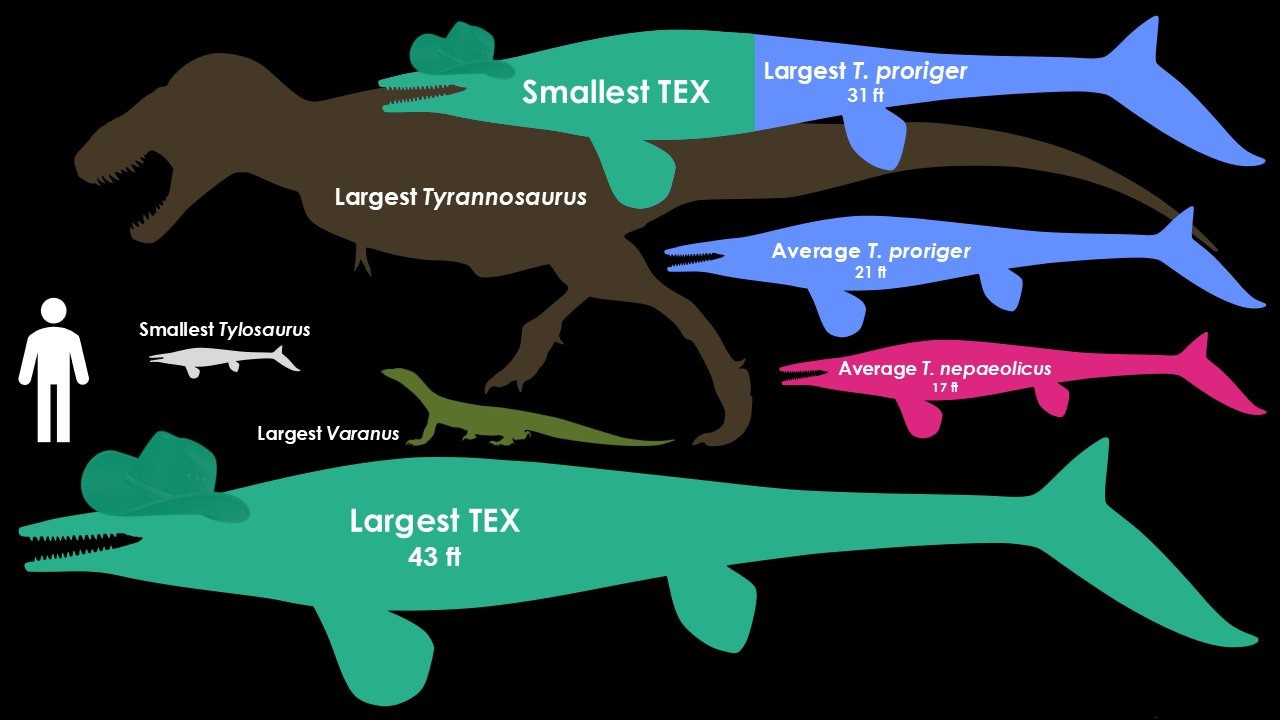
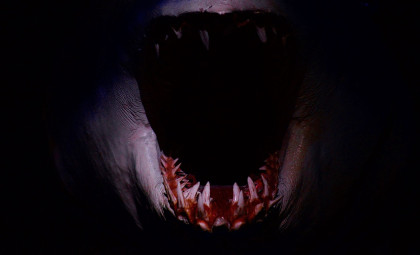
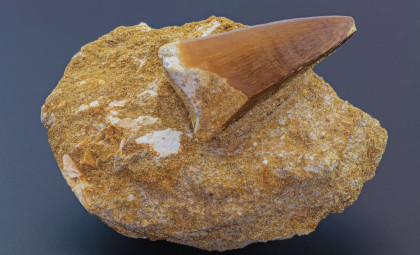
The distinguishing characteristics included a larger size than Tylosaurus proriger and uniquely serrated teeth, which are uncommon among mosasaurs. Dr. Zietlow summarized the finding succinctly:
“Everything is bigger in Texas and that includes the mosasaurs, apparently.”
Larger, More Recent, and Primarily Texan Fossils
The differentiation between these two species also involved their geographic and temporal distribution. Published in the Bulletin of the American Museum of Natural History, the study reports that most Tylosaurus proriger fossils come from present-day Kansas and date back around 84 million years. On the other hand, fossils reassigned to Tylosaurus rex were predominantly found in Texas and are about four million years younger.
“The holotype for the newly described Tylosaurus rex is a giant specimen displayed at the Perot Museum that was first discovered in 1979 along an artificial reservoir near Dallas,” said the authors.
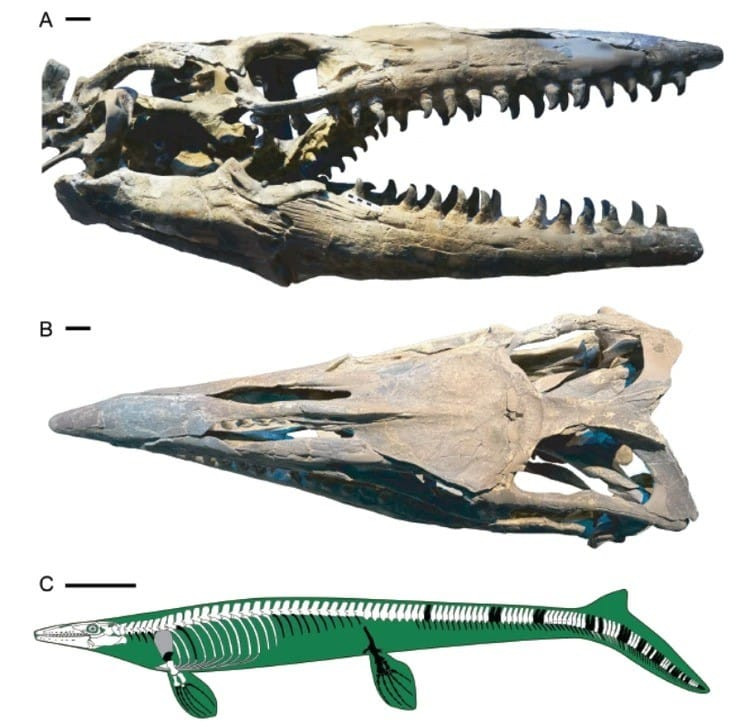
Scientists estimate that Tylosaurus rex could reach lengths of approximately 13.2 meters. The skeletal features indicate particularly robust jaw and neck musculature, suggesting a predator capable of delivering powerful bites.
Evidence of Aggressive Encounters in Fossil Record
Size aside, other traits intrigued the researchers. Dr. Ron Tykoski, vertebrate paleontology curator at the Perot Museum and co-author, noted that many fossils bear signs of injuries, consistent with aggressive behavior within the species. He remarked:
“Besides being huge, roughly twice the length of the largest great white sharks, Tylosaurus rex appeared to be a much meaner animal than other mosasaurs.”
One particular specimen — known as The Black Knight — shows trauma including a lost snout tip and a broken lower jaw. These injuries were likely inflicted by another member of the same species.
This revision also affects the classification of several well-known museum exhibits. Notably, Bunker at the University of Kansas and Sophie at the Yale Peabody Museum have now been reassigned to the Tylosaurus rex species.
- Categories:
- Science






0 comments
Sign in to Comment