
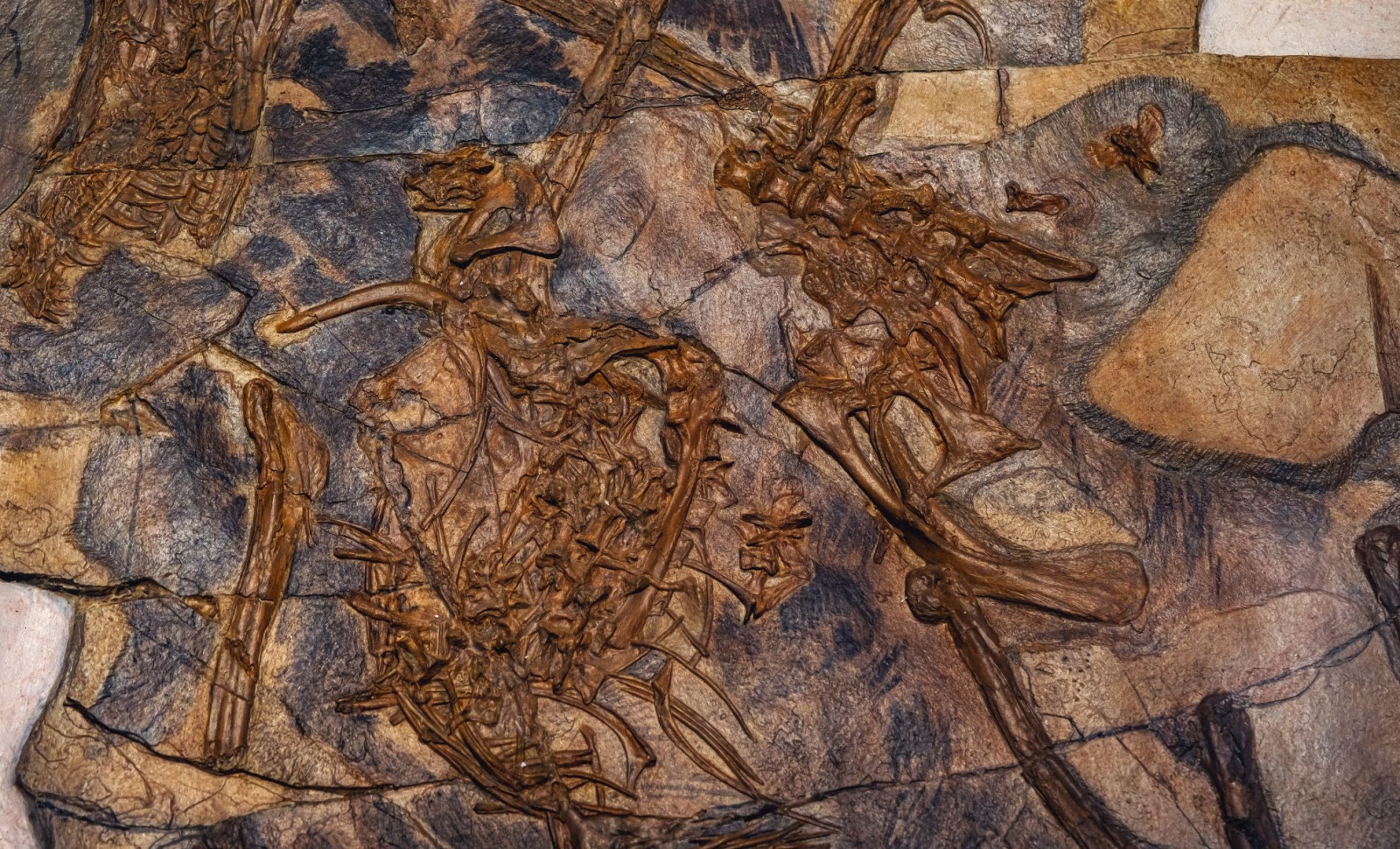
In northeastern Brazil, a remarkable fossil preserved within an enormous rock offers a glimpse into a time long predating the dinosaurs. Found in the state of Ceará, these fossilized impressions are proof that an ocean once extended over parts of the region.
Unveiled by the State University of Vale do Acaraú’s Paleontology Laboratory (Labopaleo/UVA), this significant find sheds light on Brazil’s geological past and uncovers a hidden chapter long locked in stone.
The fossil was uncovered in Tianguá, located in the Ubajara National Park, an area renowned for its natural beauty. Despite the current mountainous and arid landscape, the newfound fossil evidence illustrates a vastly different environment millions of years ago.

Preservation of Fossil Footprints Dating Back Over 400 Million Years
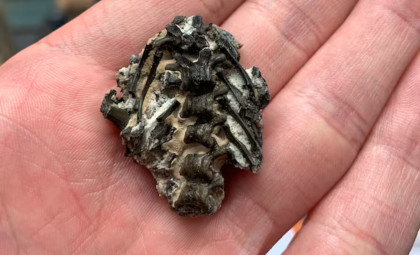
The centerpiece of this discovery is a rock estimated to weigh about 700 kilograms, found inside the boundaries of Ubajara National Park. According to a Labopaleo/UVA statement, the fossil traces inside the stone date back approximately 430 million years, a period far preceding the era of dinosaurs.
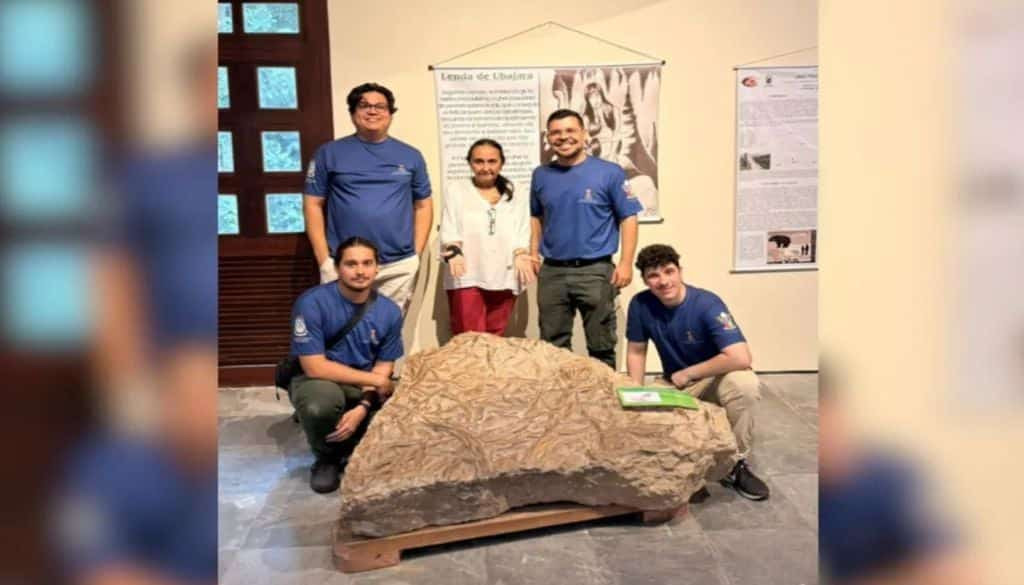
These traces are identified as ichnofossils, fossils representing the activity of ancient life forms rather than their physical structures. Instead of bones or shells, they are marks left by marine creatures as they traversed or affected the seafloor.
Following the publication of photos by the laboratory, the discovery gained rapid attention from both the scientific community and residents of the Ibiapaba area.
Evidence of a Submerged Landscape From Brazil’s Deep Past
The importance of this find lies in what it reveals about Ceará’s ancient environment. As the researchers stated:
“The presence of these invertebrates supports the theory that the present-day Serra de Ibiapaba was once covered by ocean waters. This discovery helps reconstruct the environmental history of the region long before the formation of its current mountainous landscape.”
This fossil contributes to piecing together Ceará’s environmental evolution, revealing evidence of marine life interaction on the seabed of an ancient ocean that once submerged the area.
Public Access to This Ancient Geological Treasure
The massive rock has been incorporated into the collection of the Dom José Museum, the institution tasked with preserving the region’s historical artifacts. However, it has been loaned indefinitely to Ubajara National Park, allowing ongoing public and scientific engagement with the specimen.
Keeping the fossil on-site enables visitors to appreciate the discovery within its original environment. The initial unveiling by Labopaleo/UVA on May 8, 2026 represents a milestone in collaborative efforts among academic institutions, environmental groups, and local communities to uncover and share the region’s rich natural history.
- Categories:
- Science



0 comments
Sign in to Comment