
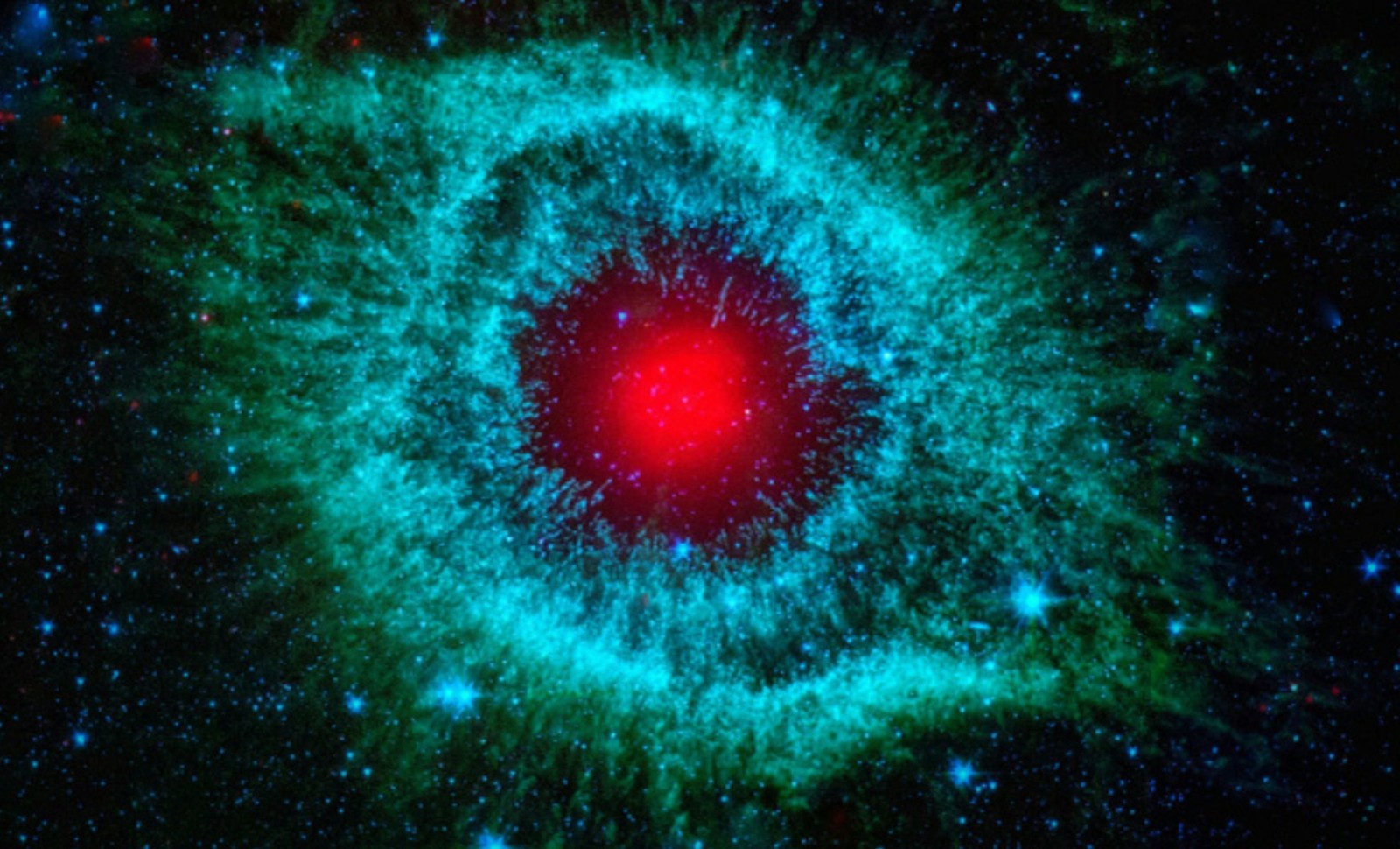
For more than 20 years, the cosmological community has accepted that the universe's expansion is speeding up due to an enigmatic force known as dark energy. This premise underlies the widely accepted cosmological model: ΛCDM. However, a new investigation puts this key assumption into question.
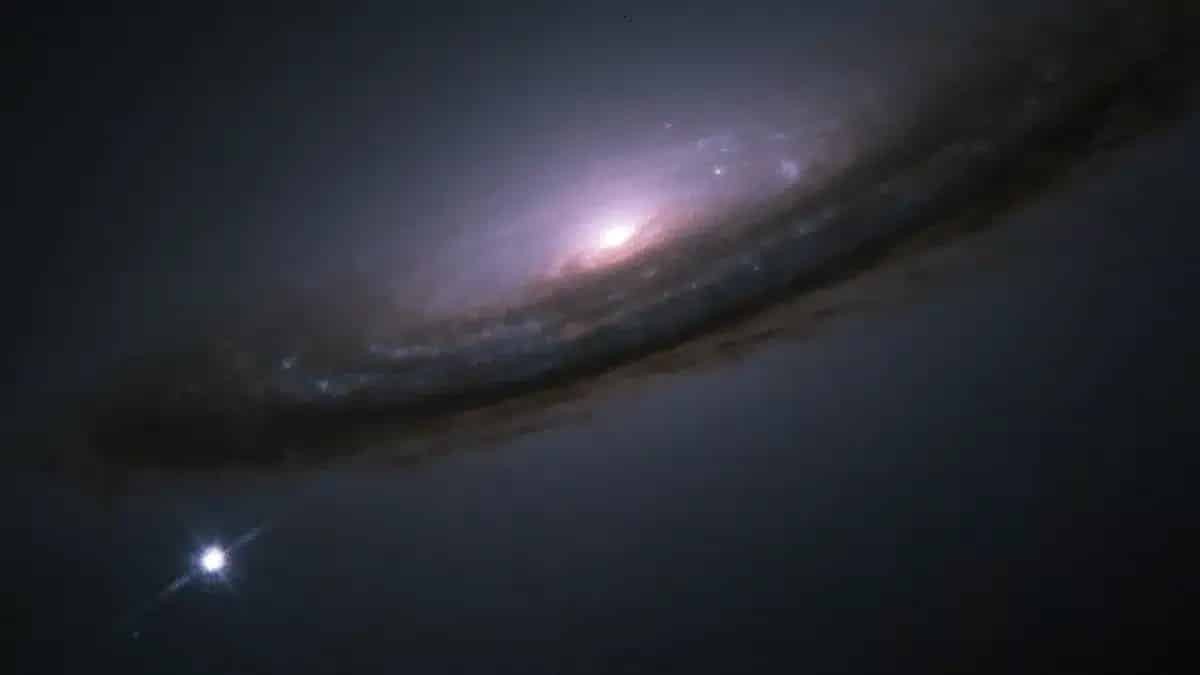
Scientists from Yonsei University in South Korea have uncovered a notable bias in the use of type Ia supernovae to track cosmic expansion. These stellar explosions, long treated as reliable "standard candles," actually vary in brightness depending on the age of their host galaxies.
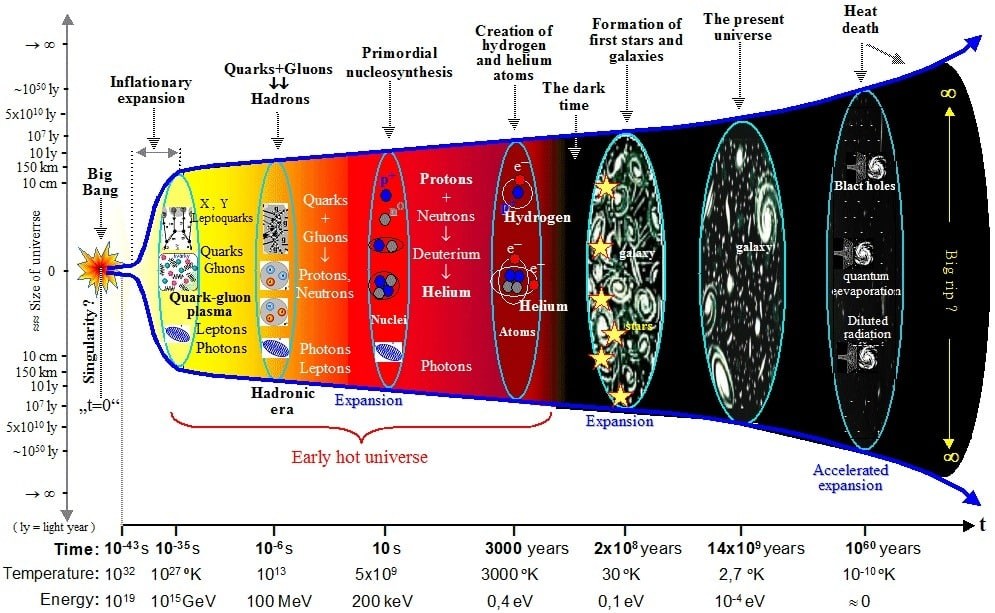
This age-related brightness variation distorts distance measurements, especially for galaxies at greater redshifts where younger galaxies are prevalent. After adjusting for this factor, the team found no supportive evidence for an accelerating universe. Instead, their results hint that cosmic expansion might actually be decelerating.

Reevaluating the Reliability of Type Ia Supernovae
Type Ia supernovae have been essential tools for quantifying the universe’s expansion, as their peak luminosity was presumed to be consistent regardless of the galaxy’s characteristics or age, enabling astronomers to gauge distances based on observed brightness.
This principle led to the landmark 1998 discovery that the cosmic expansion was accelerating and garnered the Nobel Prize in Physics in 2011.
Yet, as detailed in a recent Monthly Notices of the Royal Astronomical Society publication, researchers including Dr. Chul Chung and Junhyuk Son examined over 300 galaxies hosting supernovae. They uncovered a clear pattern: supernovae in younger galaxies are dimmer than those in older ones. Hence, dimmer explosions in distant, younger galaxies arise from intrinsic brightness differences, not necessarily greater distance.
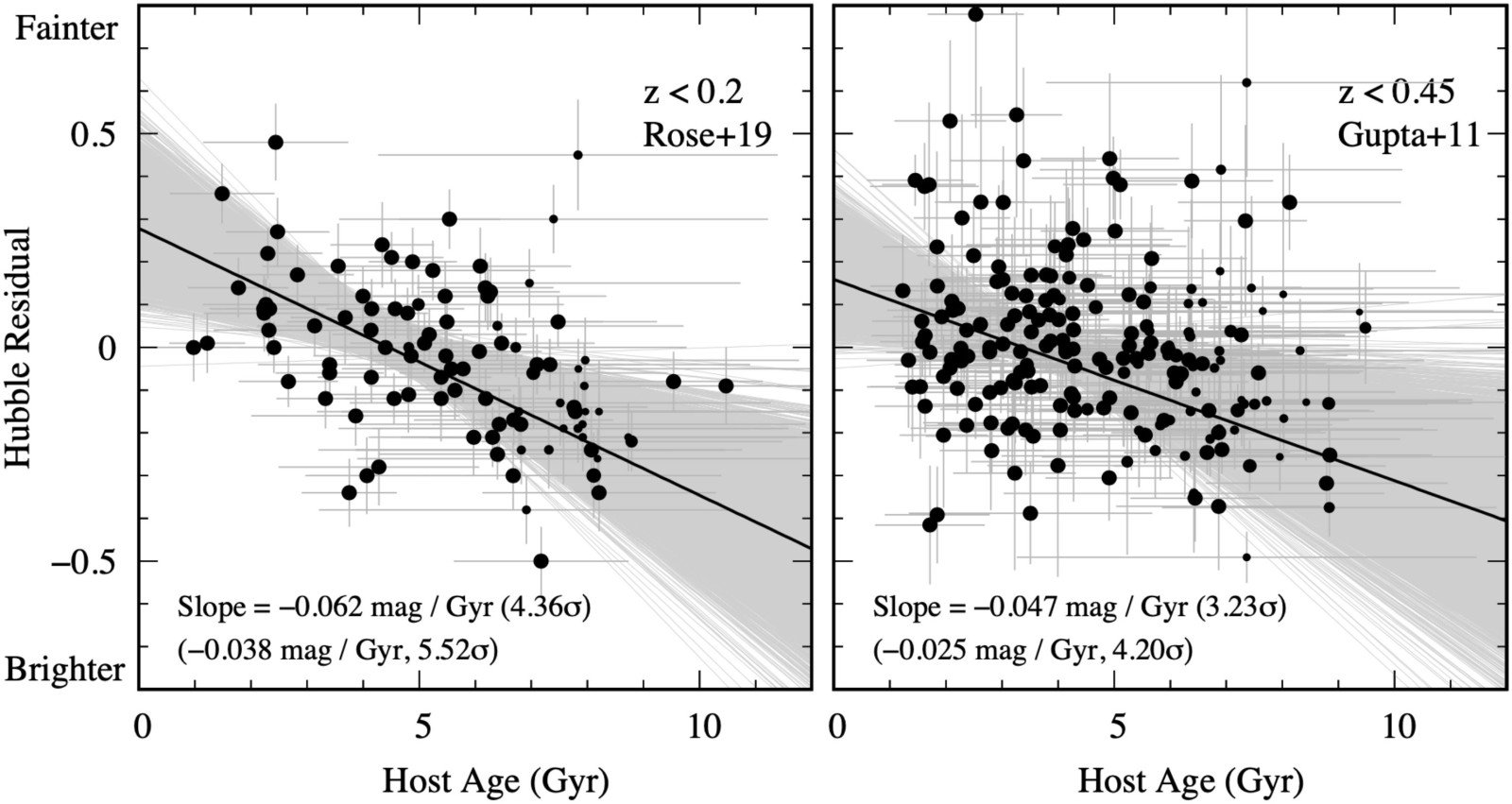
Once researchers accounted for this progenitor age bias, the previously observed signs of accelerated cosmic expansion disappeared. These insights imply that effects attributed to dark energy might instead stem from overlooked changes in stellar properties.
This perspective aligns with findings from the Dark Energy Survey (DES), which analyzed 16 million galaxies and found tensions with the ΛCDM framework. When combining baryon acoustic oscillation (BAO) data with supernova measurements, DES researchers detected evidence that dark energy could vary over time.
Dr. Santiago Avila from the DES BAO team remarked, “We can observe the cracks in ΛCDM, which is considered the standard model of cosmology.”
Dynamic Dark Energy and the Future of Cosmic Expansion
The ramifications are profound. After correcting for the age-related bias, the Yonsei researchers tested their data against various cosmological theories. The traditional ΛCDM model—featuring a constant dark energy—no longer fit the observations. Instead, their results supported the w₀waCDM model, where dark energy evolves through time.
Their analysis yielded a positive deceleration parameter, suggesting the universe's expansion is currently slowing rather than accelerating. This challenges the cornerstone concept of expansion driven by dark energy and urges cosmologists to revisit established theories.
This new interpretation may also help resolve the persistent Hubble tension, the disagreement between expansion rates derived from the cosmic microwave background (CMB) and the distance ladder method involving supernovae and Cepheid stars.
The study argues that age variations between host galaxies examined by the two techniques might account for some of these discrepancies. If supernovae in younger galaxies are inherently fainter, their distances—and thus the inferred expansion rates—would be misestimated.
Next-Gen Observatories to Illuminate Cosmic Evolution
Validating this hypothesis depends on acquiring more extensive data, which upcoming astronomical surveys are prepared to deliver. The Vera C. Rubin Observatory, via its Legacy Survey of Space and Time (LSST), is expected to monitor over 20,000 supernova-hosting galaxies in coming years, vastly increasing sample sizes and statistical robustness.
This massive dataset will enable astronomers to examine supernovae within galaxies of consistent age, effectively eliminating the age bias. Should these refined observations continue to indicate a decelerating universe, the dominant view of dark energy prompting accelerated expansion would face serious challenges.
Meanwhile, the European Space Agency’s Euclid mission, launched in 2023, is also pivotal. Designed to chart the fabric of the dark universe through gravitational lensing and galaxy clustering, Euclid aims to clarify whether dark energy is a fixed cosmic property or a dynamic entity evolving over time.
Together, these pioneering projects promise to reshape cosmology into a discipline built upon rigorous testing rather than assumptions.
- Categories:
- Science








0 comments
Sign in to Comment