
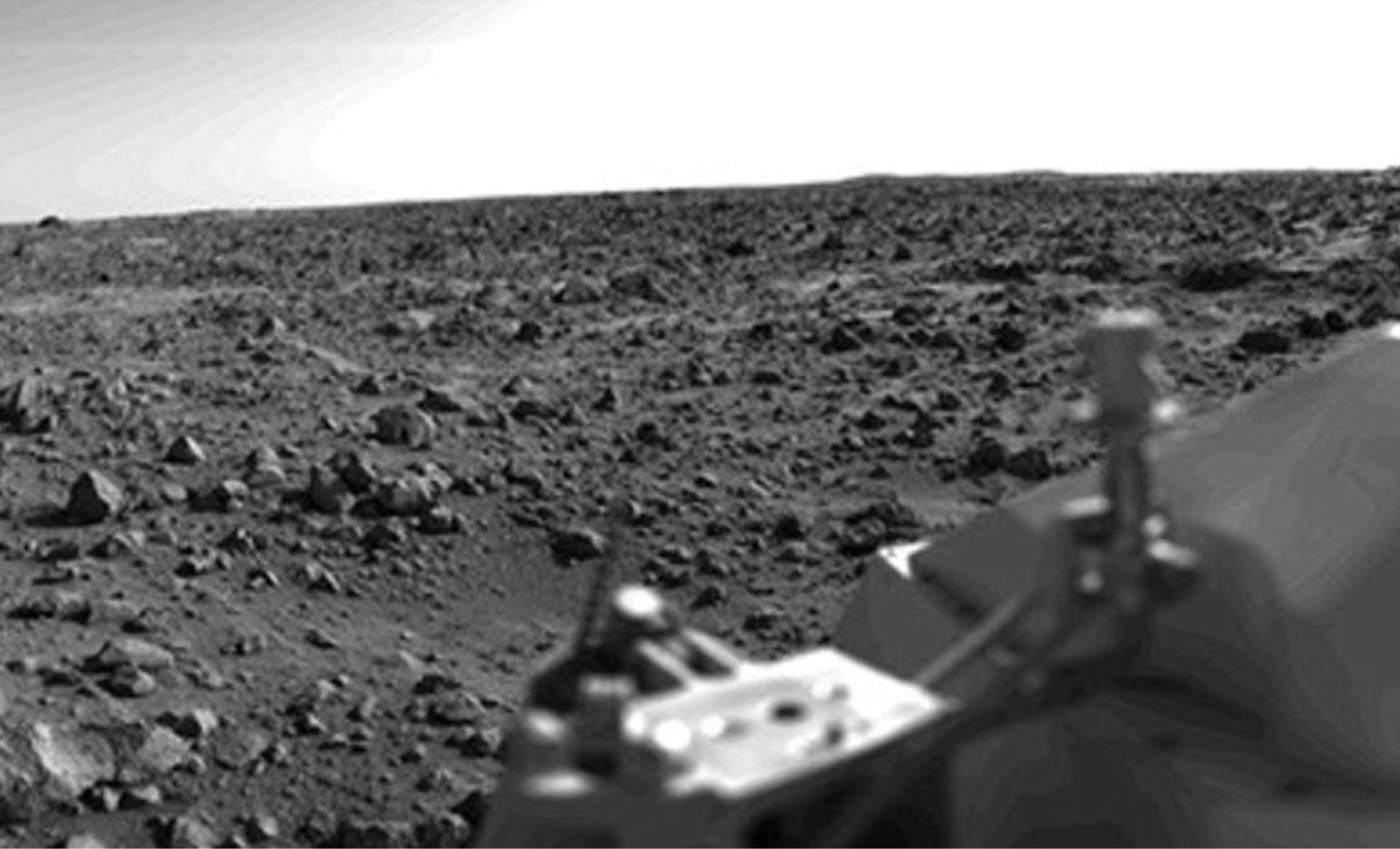
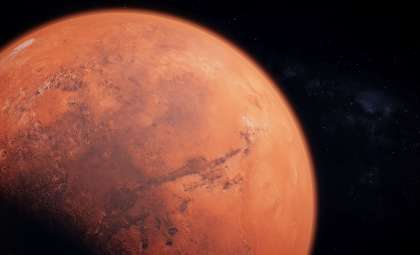
NASA commemorates 50 years since Viking 1 and Viking 2 successfully reached Mars, fundamentally transforming our approach to exploring other planets. These missions delivered the inaugural extended scientific observations from Mars’ surface, unveiling an intricate planet shaped by ancient terrains, atmospheric dynamics, and geological phenomena that still inform current Mars studies.
A Landmark Milestone that Redefined Mars Investigation
The Viking mission touched down on Mars in 1976 at a time when knowledge about the Red Planet remained limited. The ambitious project involved two orbiters and two landers, combining detailed orbital imagery with surface-based experiments.
Viking 1 made history on July 20, 1976, as the first American spacecraft to successfully touch Mars, with Viking 2 landing weeks later in a separate region. Together, they laid the foundation for understanding Mars’ environment.

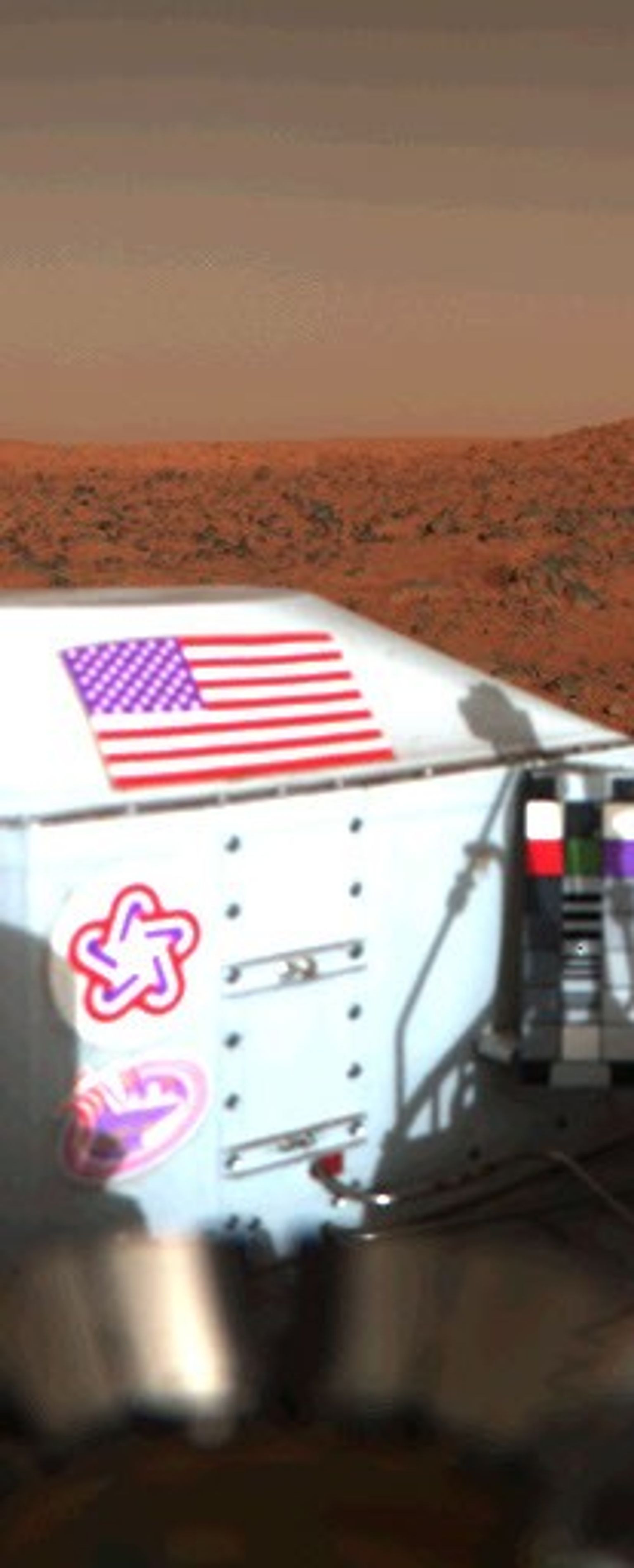
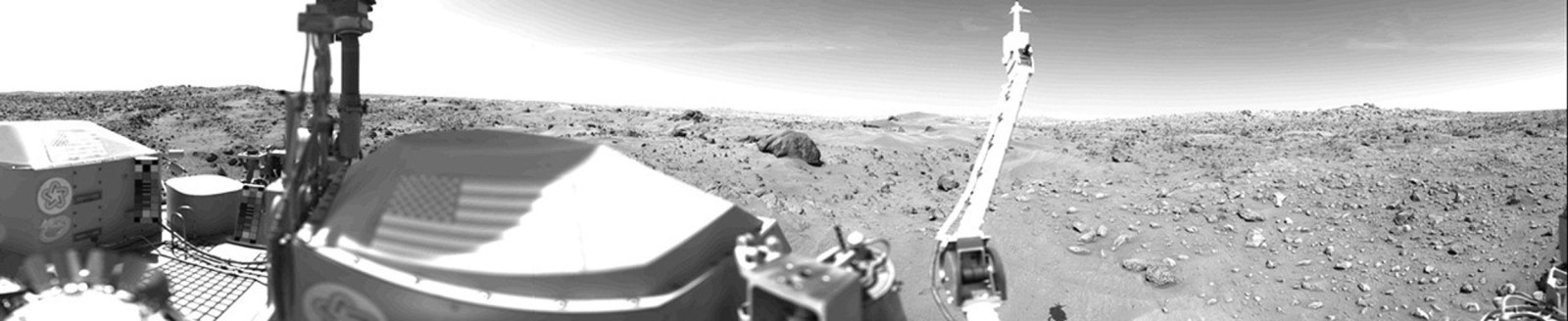
These landers sent back high-resolution images depicting rocky and dusty terrain beneath a thin Martian atmosphere. Equipped with instruments to monitor temperature variations, atmospheric conditions, and soil characteristics, they offered the first close-up glimpse of daily Martian life.
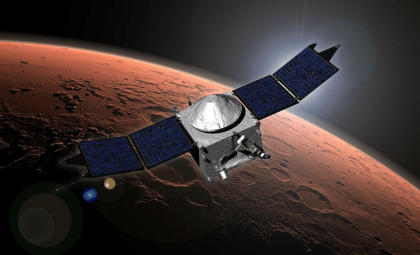
The orbiters contributed comprehensive planetary maps, revealing geologic formations, valleys, and signs suggestive of ancient water flows. Data from the Viking mission continues to serve as a comparative baseline for all subsequent Mars exploration.
The impact of the mission endures well past its operational period, with scientists still analyzing the 1970s findings alongside data from newer missions.
Enduring Contributions of Viking to Mars Science
As stated by NASA, the Viking missions established a scientific repository that remains invaluable five decades later. They demonstrated that robotic explorers could function for extended durations on another planet while transmitting rich data back to Earth.
A notable aspect of the missions was the biological experiments aimed at detecting microbial life in Martian soil. Although definitive signs of life were not found, these investigations sparked ongoing debates and shaped methodologies for future searches for life beyond Earth.
These early life-detection experiments set the precedent for modern missions to focus on habitability and biosignatures. Current Mars research strategies continue to build upon Viking’s pioneering approach.
Additionally, the mission transformed the public’s view of Mars by providing the first detailed surface images, turning the Red Planet from a distant point of light into a tangible world.
The success of Viking inspired further robotic missions aiming to unravel Mars’ geology, climate history, and the planet’s potential to have supported life.
A Lasting Legacy for Future Mars Exploration
More than fifty years after its arrival, Viking remains a cornerstone in space exploration history. Its achievements laid the groundwork for a succession of missions probing Mars.
Missions such as Mars Pathfinder, Spirit, Opportunity, Curiosity, and Perseverance have all expanded our understanding of Mars, often revisiting questions that Viking first raised. Researchers still rely on Viking data when reconstructing the planet's ancient conditions.
Viking demonstrated the necessity of meticulous planning, patience, and advanced technology for successful planetary exploration. Its insights guided engineers in creating more sophisticated spacecraft able to withstand the challenges of Mars’ environment.
As preparations continue for upcoming robotic and crewed missions, the Viking program’s legacy remains a guiding beacon. It marked the beginning of humanity’s intimate exploration of Mars, paving the way for deeper discovery.
Today’s ongoing Mars missions carry forward Viking’s pioneering spirit, ensuring that its story is far from finished. Half a century later, Viking’s mark on humanity’s quest to explore the Red Planet is indelible.
- Categories:
- Nasa







0 comments
Sign in to Comment