
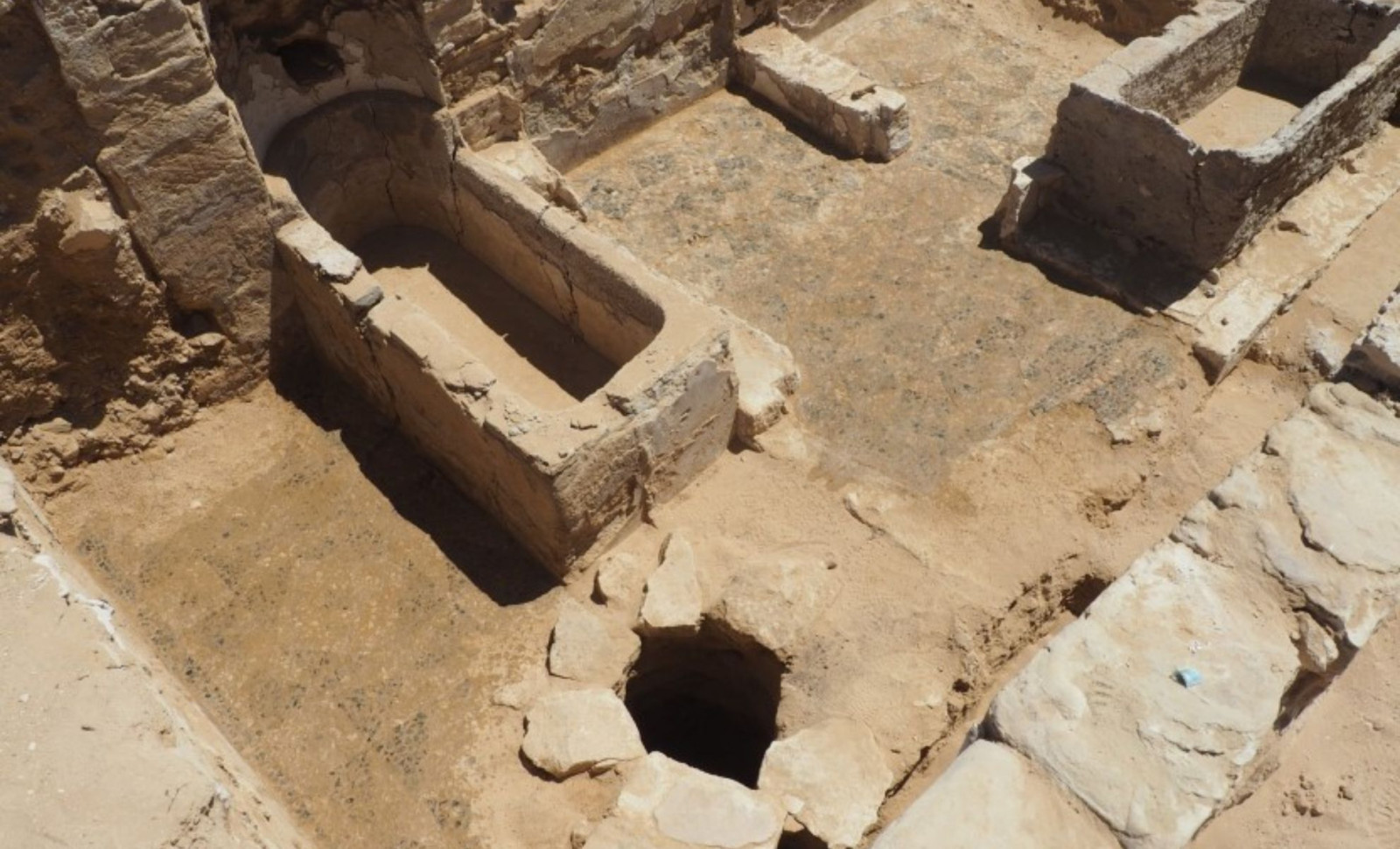
Researchers have excavated 18 ancient tombs along Egypt’s Mediterranean shoreline, uncovering a unique set of 24 gold tongues among the items buried with the deceased. These findings from Marina el-Alamein provide fresh insights into burial rites during a period marked by the blending of Egyptian, Greek, and Roman customs.
The tombs lie in the historic town of Marina el-Alamein, situated roughly 60 miles (100 kilometers) to the west of Alexandria. According to the Egyptian Ministry of Tourism and Antiquities, these burials date from either the Ptolemaic era (322 to 30 B.C.) or the Roman era (30 B.C. to A.D. 395).
Uncovering Buried Stories from the Past
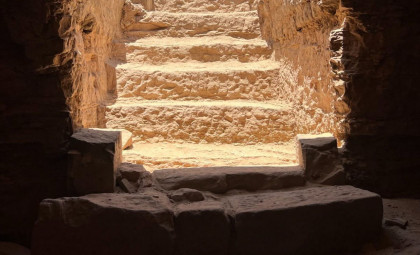
As detailed in a release by the Egyptian Ministry of Tourism and Antiquities, archaeologists identified various tomb construction styles—eleven were subterranean chambers, while the other seven tombs were nearer the surface.

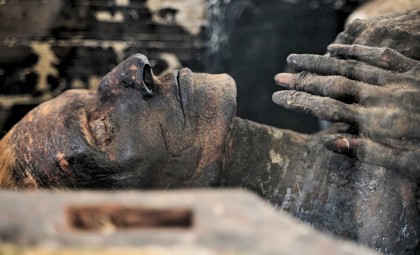
Within the burial spaces, excavators discovered several items tied to ancient Egyptian funerary traditions, including human skeletal remains, an offering altar, and a large granite sarcophagus. At least two skeletons were retrieved, although experts are yet to confirm if they were mummified.
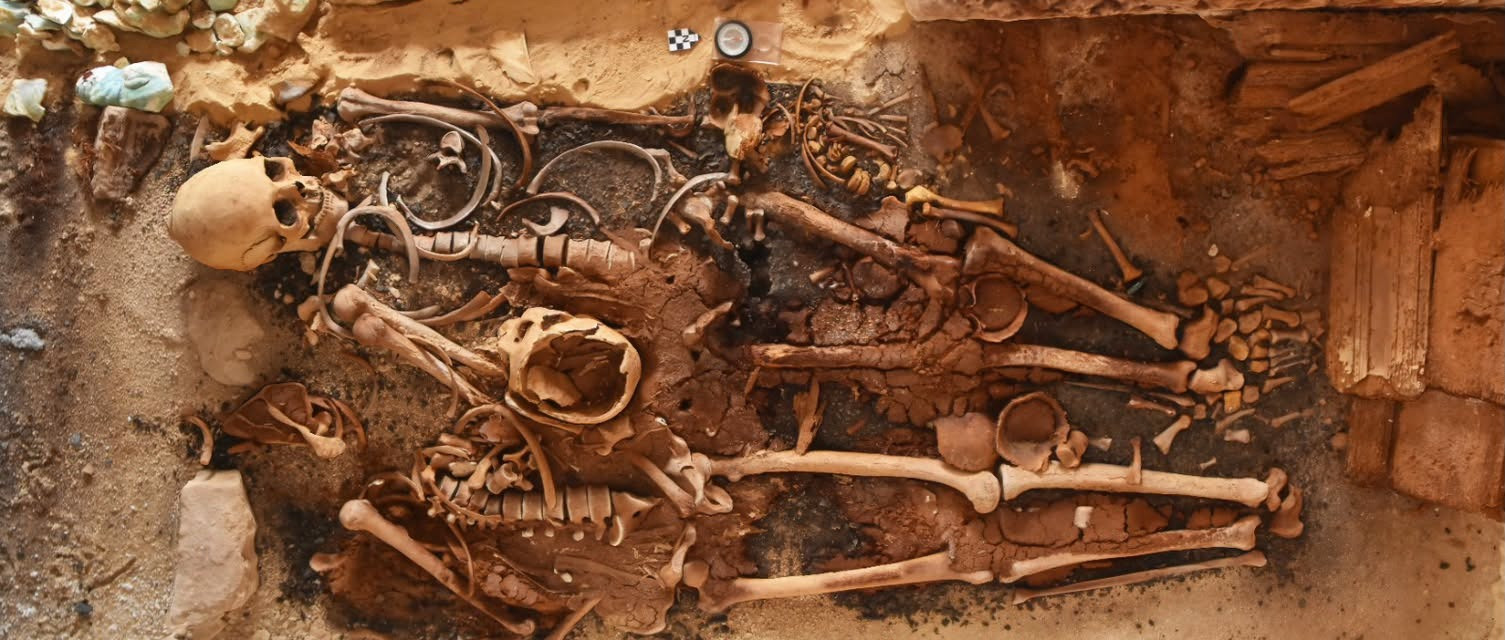
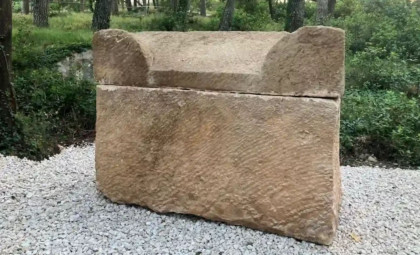
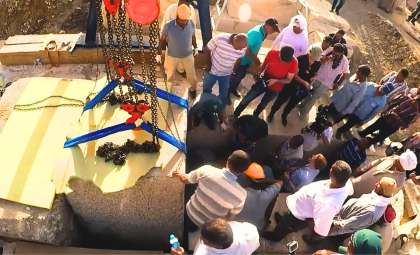
One tomb featured a substantial granite coffin measuring approximately 8.2 feet (2.5 meters) in length, with its lid still sealed when found. Researchers are currently analyzing the contents.
This excavation builds on previous work at Marina el-Alamein, a site notable for demonstrating the coexistence of diverse cultures in ancient Egyptian society.
Golden Tongues: Symbols of Voice in the Afterlife
The standout find includes a set of 24 gold tongues, believed to have been placed within the mouths of the deceased. Egyptians saw gold as the divine flesh of gods, and these tongues were thought to grant the dead the ability to speak in the afterlife, especially during their judgment before Osiris, the ruler of the underworld.
Hesham Hussein, an archaeology official with the Ministry, explained:
“Gold tongues are a well-documented feature of some burials dating to the Ptolemaic and Roman periods in Egypt,” adding that: “they are generally interpreted as symbolic funerary amulets intended to enable the deceased to speak in the afterlife.”
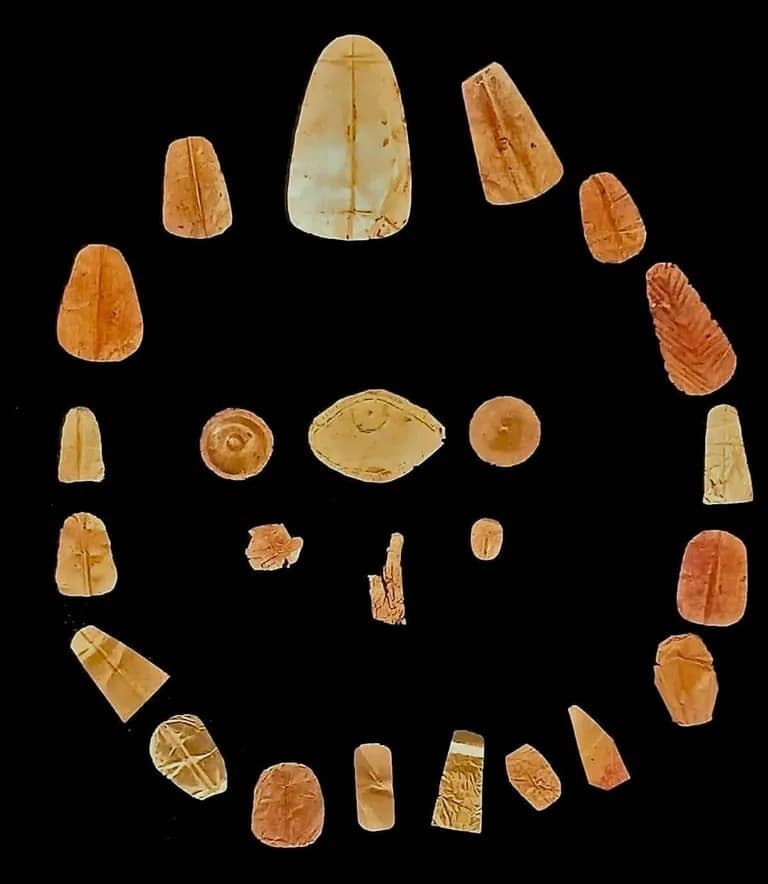
One of the gold tongues appears to feature the Eye of Horus, a protective emblem in ancient Egyptian lore.
Certain pieces remain ambiguous. Archaeologist Attilio Mastrocinque, formerly with the University of Verona, noted that one artifact pictured by the ministry might be a wheat ear instead of a golden tongue. Wheat motifs symbolize fertility and are common in Greek and Roman iconography.
Fusing Egyptian and Greek Religious Symbols
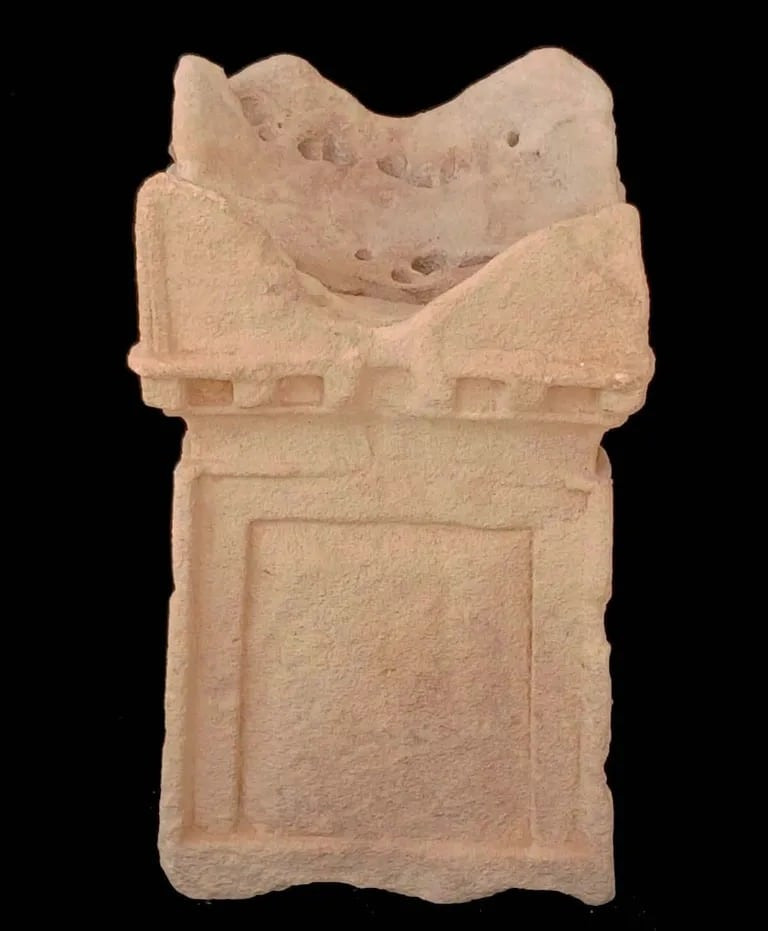
Other notable finds include an offering altar with a base resembling an ancient Egyptian false door, a symbolic funerary element thought to link the living with the dead.
“The false door is one of the oldest and most recognizable elements of ancient Egyptian funerary architecture. In traditional Egyptian belief, it symbolized the interface between the worlds of the living and the dead, through which the deceased could spiritually receive offerings presented by the living,” explained Hussein.
Some scholars urge caution in assigning precise labels. Krzysztof Jakubiak of the University of Warsaw, with prior experience at Marina el-Alamein, suggested the altar requires further analysis before confirming it as a traditional false door, speculating it could be incomplete.
The dig also revealed a partial statue of Aphrodite, symbolizing the Greek goddess of love and beauty—highlighting the imprint of Greek influence during the Ptolemaic period in Egypt.
Dorota Dzierzbicka, head of the Polish-Egyptian Archaeological Mission at Marina el-Alamein, said in a statement from the Polish Centre of Mediterranean Archaeology that the findings underscore Marina el-Alamein’s role as a melting pot where Egyptian and Greco-Roman traditions intertwined in everyday life and funerary ceremonies.
- Categories:
- Science





0 comments
Sign in to Comment