
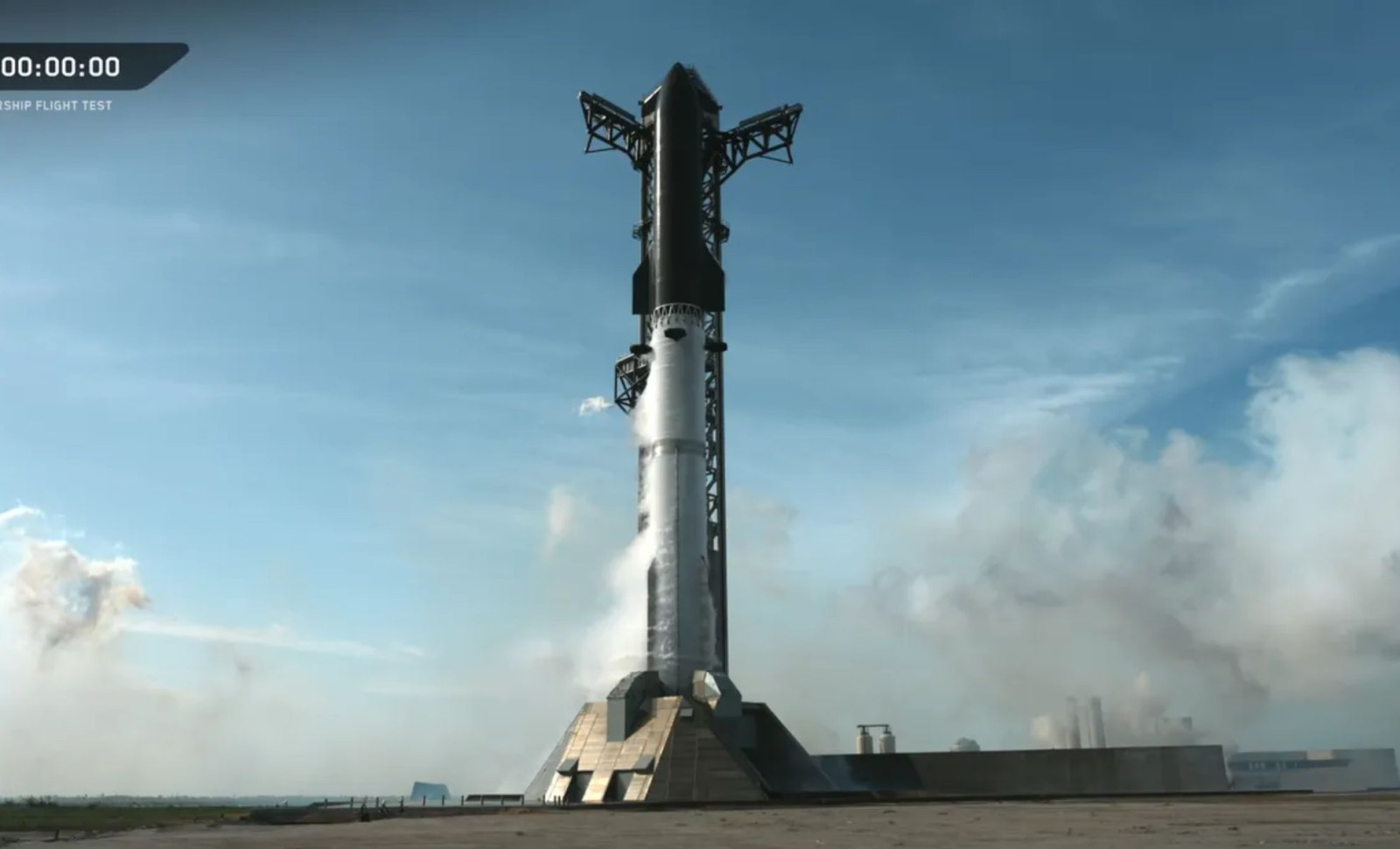
The anticipated test launch of SpaceX's Starship Flight 13 was abruptly halted just moments before liftoff due to an unexpected malfunction, as detailed by Space.com. This last-minute abort stopped the giant rocket system from initiating its next crucial trial while engineers investigate the root cause.
Final-Second Abort Disrupts Starship’s Latest Test
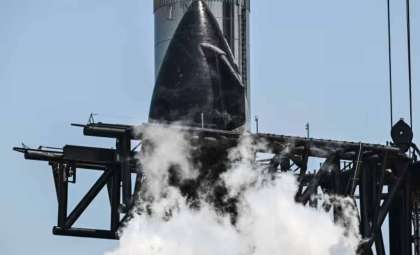
At SpaceX’s launch complex in South Texas, the countdown for Starship Flight 13 reached its critical final phase with the colossal rocket ready for another full integrated test flight. This mission aimed to continue collecting vital data on the Starship vehicle and its Super Heavy booster, essential components for SpaceX’s ambitious plans targeting lunar landings, Martian expeditions, and future heavy payload transport.
The launch sequence advanced through nearly all pre-ignition steps before being automatically aborted just before engine start and takeoff. The interruption occurred as the Super Heavy booster was set to ignite its powerful cluster of Raptor engines, effectively preventing the rocket’s ascent from the pad.

Importantly, no launch failure happened since the rocket remained grounded and all safety protocols functioned as designed. Engineers promptly began analyzing telemetry and system data to pinpoint what caused the shutdown.
This incident underscores the intricate challenges involved in readying such a massive integrated vehicle. Each Starship test contributes valuable insights on propulsion, thermal protection, flight operations, and overall system performance as development advances.
Previous Starship missions have provided crucial learning points and revealed technical hurdles to overcome for more demanding objectives. Flight 13 was anticipated to build on these findings by further demonstrating the rocket’s reusable design.
SpaceX Investigates Booster Ignition Abort
Per Space.com, SpaceX’s engineering teams began dissecting the launch sequence that triggered the automatic abort. During the live webcast, SpaceX communications lead Dan Huot stated the investigation would guide the company’s next steps.
“We’ll take some time, dig into what triggered that abort once the booster was igniting to launch, and then we’ll figure out what our path forward is going to be,” SpaceX’s Dan Huot said during the company’s launch webcast.
The inquiry zeroes in on the moments just before the Raptor engines on the Super Heavy booster were set to fire. These engines provide the massive thrust needed to lift Starship skyward, making their ignition a critical checkpoint in testing.
SpaceX’s development strategy revolves around rapid iteration—testing frequently to quickly identify and fix issues, upgrade hardware, and enhance upcoming missions based on actual performance data.
This event exemplifies how modern automated systems monitor every critical parameter before launch, halting liftoff at the first sign of trouble to protect expensive and complex hardware from damage.
Following the review and any necessary fixes or component swaps, SpaceX will determine the timing for the next launch attempt.
Elon Musk Announces Engine Replacement for Next Launch
SpaceX CEO Elon Musk later shared via X that engineers had identified a promising course of action to resume the Starship launch campaign.
“To be confident of a good flight, 2 Raptors will be removed & replaced. Most probable launch timing is early next week,” company founder and CEO Elon Musk said this evening via X, the social media platform he owns.
The plan to swap out two Raptor engines reflects a precise approach focused on ensuring reliable booster performance during the upcoming launch. Engine replacement is a routine procedure throughout development as the rocket is regularly refined.
To be confident of a good flight, 2 Raptors will be removed & replaced. Most probable launch timing is early next week.
— Elon Musk (@elonmusk) July 17, 2026
This update implies that SpaceX anticipates a swift turnaround to the next launch window. The company’s fast-paced testing methodology continuously hones hardware and operational protocols.
Starship’s progress is closely monitored within aerospace circles due to its expected role in missions beyond low Earth orbit. NASA has chosen a specialized Starship variant for its Artemis lunar exploration program, where a human-rated model will support Moon expeditions.
A successful Flight 13 launch would contribute further performance insights into the reusable Starship and Super Heavy configuration. The engineering team will apply the lessons learned from this recent abort to strengthen confidence ahead of the next countdown.
- Categories:
- Space









0 comments
Sign in to Comment