
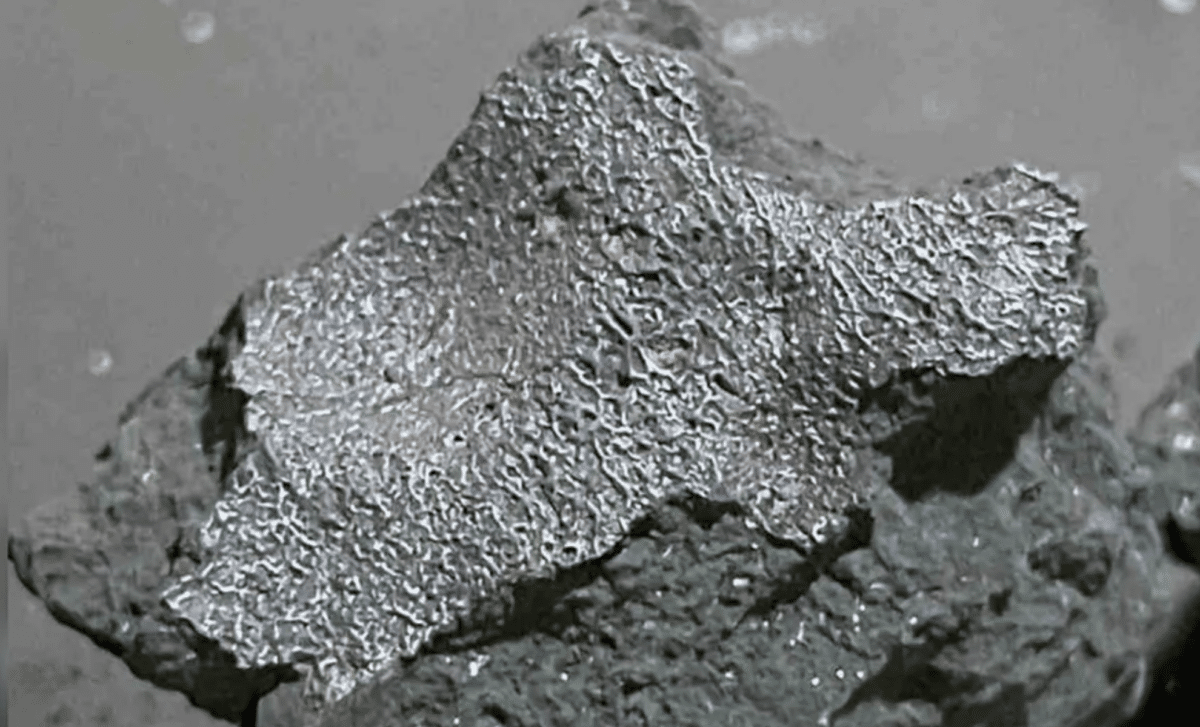
A space rock that pierced the roof of a New Jersey residence has presented researchers with one of the purest specimens of a rare meteorite type linked to the origins of life, according to findings published in Science Advances. This extraordinary find granted scientists access to a sample virtually untouched since its formation in the early solar system, providing fresh opportunities to explore the organic compounds and water-related signatures within it.
Uncommon Meteorite Lands on a New Jersey Home
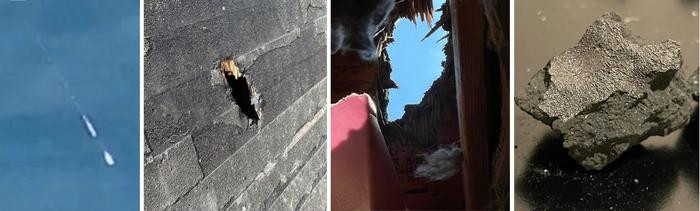
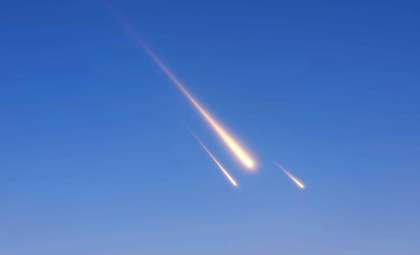
In May 2023, a meteorite descended over Hopewell Township, New Jersey, striking a house roof and fragmenting upon impact. Scientists were able to retrieve pieces classified as a rare CM1/2 carbonaceous chondrite, a type of meteorite prized for its ancient chemical record.
These meteorites harbor primordial matter dating back more than 4.5 billion years, preceding the full formation of planets. Their chemical makeup retains clues about the early conditions of our solar system.

Rapid recovery of the fragments by the homeowner helped shield the sample from Earth's environmental effects, preserving its scientific integrity.
Peter Jenniskens, lead author and meteor astronomer at the SETI Institute and NASA’s Ames Research Center, noted the meteorite’s potential for shedding light on archaic chemical environments.
“It’s like getting a direct scent of the atmosphere where life began,” Jenniskens told Space.com.
Among the Purest Examples of CM1/2 Meteorites
Examinations confirmed that the meteorite had largely avoided contamination commonly introduced upon Earth impact. Because carbon-rich meteorites rapidly absorb moisture and environmental chemicals, swift retrieval is essential for maintaining their original composition.
The homeowner’s prompt actions proved crucial in protecting this delicate specimen before it was analyzed by scientists. Jenniskens highlighted how this quick intervention preserved the meteorite’s pristine nature.
“He had the wherewithal to put on gloves and take out jars,” Jenniskens said. “And for this type of meteorite, carbonaceous chondroits, it’s very important because they just suck in every moisture you can think [of].”
The research team found the fragments to contain organic molecules and minerals shaped by ancient water interactions—features that make these meteorites invaluable for exploring how life's chemical precursors were spread across the early solar system.
The sample represents one of the best-preserved meteorite types available, according to the study authors.
“Thanks to the homeowner’s quick reaction, these are the most pristine CM1/2 meteorites we know of,” Jenniskens said in a statement.
Tracing the Meteorite’s Ancient Chemical Legacy
The article, featured in Science Advances, details the meteorite’s mineral composition, organic content, and chemical signatures, revealing processes active billions of years ago.
Carbonaceous chondrites attract special interest due to their content of carbon-rich compounds formed prior to Earth’s existence, including molecules critical to prebiotic chemistry research.
Preservation of this specimen enabled detailed chemical analyses with confidence rarely achievable in samples compromised by prolonged exposure to Earth's atmosphere. Using advanced laboratory methods, scientists decoded the meteorite’s mineral and chemical structure.
While these meteorites do not definitively prove life’s origins beyond Earth, they suggest early Earth may have been supplemented with complex organic ingredients delivered by asteroids and other celestial bodies—key pieces in piecing together the conditions that led to the emergence of life.
- Categories:
- News





0 comments
Sign in to Comment