
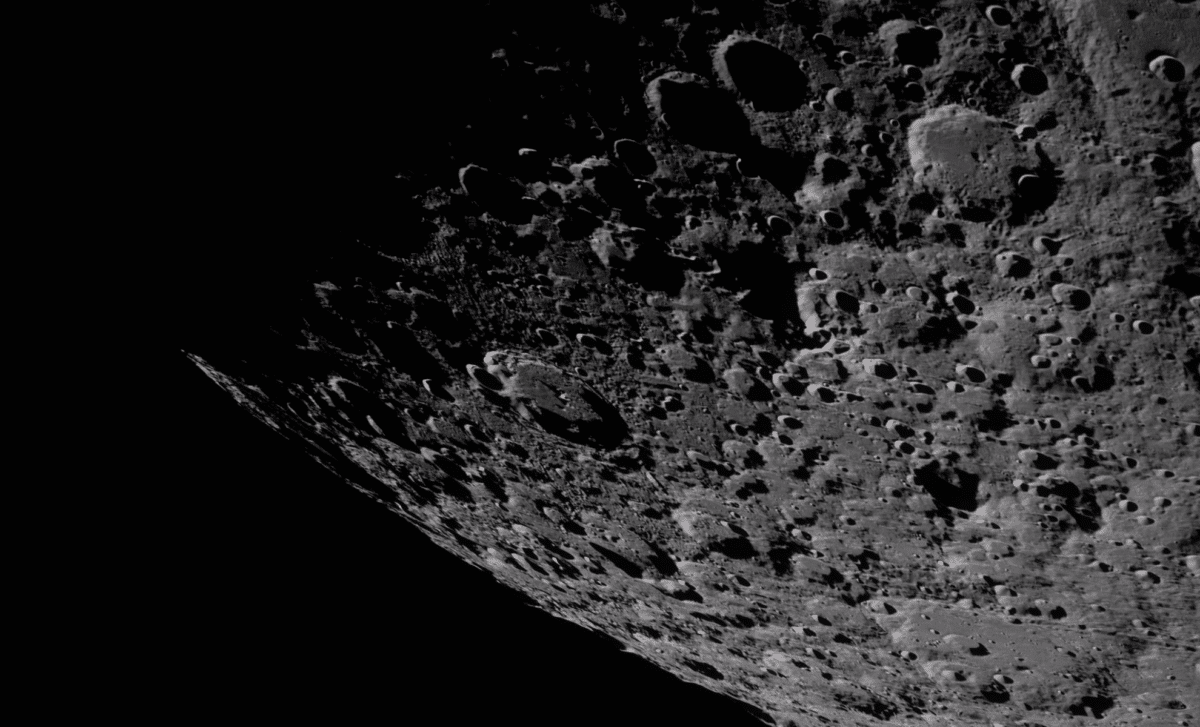
The Moon’s South Pole stands as a pivotal destination for future space exploration, promising groundbreaking discoveries alongside formidable environmental challenges. NASA is focusing efforts here to establish the next lunar base, drawn by its unique scientific value and potential for sustainable habitation, yet the harsh conditions—from shadowed, icy craters to abrasive lunar dust—are pushing innovation in astronaut and engineering capabilities.
Terrain of Unmatched Extremes
Distinct from the equatorial zones visited by Apollo crews, the South Pole’s landscape is defined by steep mountains, vast craters, and challenging slopes. Navigating this environment requires highly adaptable mobility systems able to handle uneven surfaces and explore permanently shadowed regions harboring valuable ice deposits. Mission planning demands precision since errors near crater rims or steep inclines may jeopardize safety and success for both astronauts and robotics.
The terrain’s complexity goes beyond physical obstacles; it also factors heavily into strategic resource acquisition. Extracting supplies such as water, oxygen, and fuel directly from these shadowed reserves is vital to in-situ resource utilization (ISRU) efforts, which aim to reduce reliance on Earth deliveries. NASA and collaborators are innovating durable rovers, climbing aids, and robotic devices engineered to endure steep journeys while safeguarding sensitive equipment.

Illumination and the Long Lunar Night
The South Pole’s distinctive lighting introduces additional complexities. With the sun skimming the horizon, extended shadows create variable solar power availability and drastically cold conditions. Certain pits remain permanently shadowed, experiencing temperatures as low as minus 334°F (minus 203°C)—colder even than Earth's coldest regions—while exposed peak areas can reach highs of 130°F (54°C), posing extreme temperature swings.
These lighting dynamics influence not only energy capture but also daily operations. Preventing moon base structures from casting obstructive shadows and maintaining internal heat within habitats for crew and equipment during the frigid lunar night are critical design challenges. Developing systems resilient to these sharp thermal contrasts is essential for sustaining prolonged lunar missions.
The Ever-Present Lunar Dust Hazard
Arguably the most overlooked yet ever-present risk is lunar dust. This fine, jagged regolith, forged by eons of meteor impacts, adheres stubbornly to surfaces via static cling, abrades machinery, and can infiltrate habitats, threatening astronauts’ health and mission durability.
Addressing this, NASA and partners are pioneering advanced dust-mitigation strategies including specialized coatings, filtration systems, and electrostatic repellent technologies. Innovations span enhanced spacesuit materials, dust-resistant seals, and protective layers for crustal vehicles and living modules. Effective management of this pervasive dust is critical for safe, long-duration human activity on the Moon.
Building a Lasting Presence on the Moon
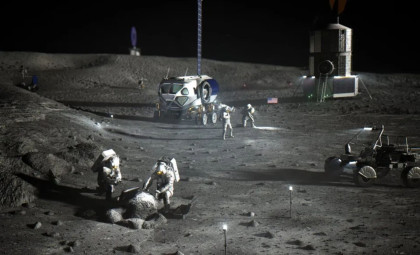
Realizing a continual human foothold at the lunar South Pole calls for more than technologies — it involves meticulous site selection, resilient infrastructure, and operational plans tailored to enduring extreme cold, shifting sunlight, abrasive dust, and rugged topography. NASA’s efforts are laying the groundwork for astronauts to thrive—living, exploring, and conducting research in one of the most demanding environments humanity has faced.
This region offers a unique blend of exploration challenges and technical breakthroughs. The experience and solutions developed for this lunar base will play a central role in future missions to Mars and beyond, marking a crucial step in human spacefarer evolution.
- Categories:
- Nasa






0 comments
Sign in to Comment