

NASA is progressing with preparations for Artemis III, the mission aiming to send astronauts back to the Moon. This involves a series of human landing system development tests designed to prove concepts essential for upcoming crewed landings near the lunar south pole. NASA reports these demonstration efforts by SpaceX and Blue Origin will help shape the spacecraft and operational protocols necessary for success.
Advancing Lunar Landers for Future Exploration
The Artemis III mission marks a critical milestone in NASA’s broader goal of maintaining a long-term human presence on and around the Moon. Leading up to the crewed descent, NASA is collaborating with industry partners to assess different lander designs that will ferry astronauts from orbit down to the lunar surface and back.
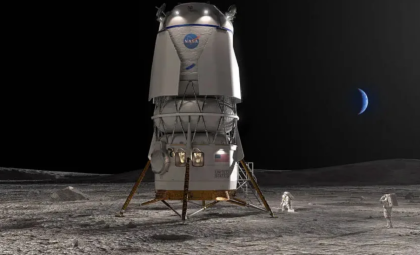
The Human Landing System (HLS) Program has selected two commercial providers to develop lunar transport solutions. SpaceX is adapting its Starship spacecraft for lunar missions, while Blue Origin is advancing its Blue Moon lander design. Each company employs unique design strategies to meet NASA’s strict criteria for safety, mission performance, and surface operations.

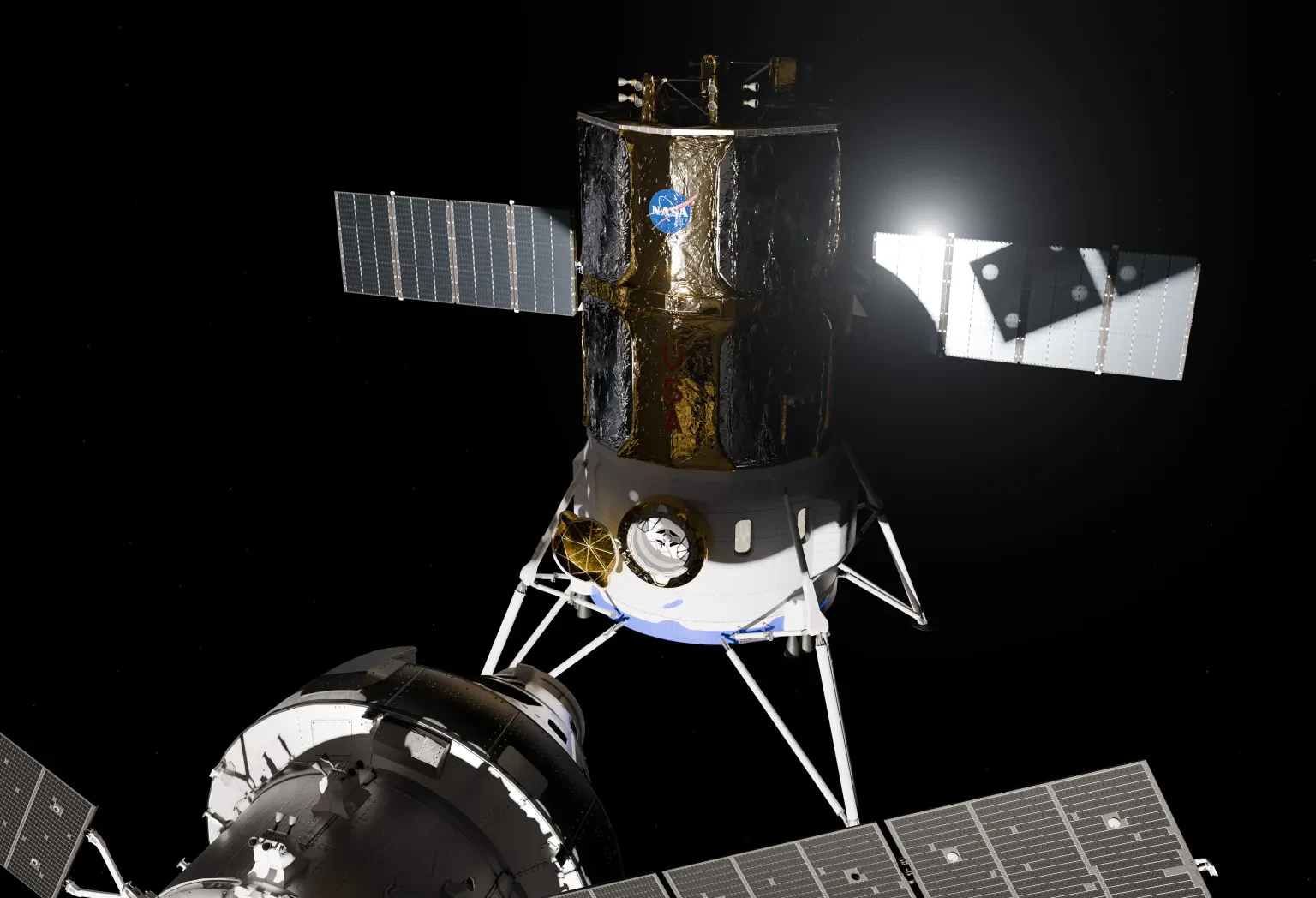
NASA’s approach to testing emphasizes operational readiness before astronauts board these vehicles. The demonstration missions will thoroughly assess spacecraft functionalities, mission sequences, and the coordination required between launch vehicles, lunar orbit operations, and surface tasks.
“Each human landing system provider has taken a different approach to the Artemis III mission,” said Steve Creech, program manager, Human Landing System Program, NASA’s Marshall Space Flight Center in Huntsville, Alabama. “Ultimately, SpaceX and Blue Origin have put forward a list of aggressive objectives and goals intended to complement upcoming uncrewed demonstration missions at the Moon so that we can gain both understanding and confidence in the spacecraft and launch vehicles prior to a crewed landing. The lander prototype designs will inform future development efforts and will continue to mature over the next year.”
Coordinating a Multifaceted Path to Artemis III
The journey to Artemis III involves synchronizing numerous spacecraft, launch systems, and teams. Unlike Apollo, today’s lunar expeditions depend on a complex collaboration between government agencies and commercial companies to successfully land humans on the Moon.
NASA emphasizes that extensive systems engineering and mission planning are critical before astronauts can safely descend to the lunar surface. The mission framework includes Earth launches, spacecraft docking maneuvers, lunar orbit activities, descent preparations, exploration on the surface, and return operations.
The agency notes that these demonstration flights will deliver essential insights into how the human landing systems perform in mission-like scenarios. This data will allow engineers to optimize procedures and resolve technical challenges ahead of sending astronauts to the Moon.
“Artemis III will be a highly choreographed dance with a demanding launch sequence across multiple launch pads and equally demanding mission operations for our ground and flight crews, making it one of the most complex and ambitious missions NASA has ever undertaken,” said Jeremy Parsons, Artemis program manager. “The demonstration mission will set the stage before our next giant leap. NASA’s expertise in systems engineering and integration, as well as launch and mission operations in low Earth orbit, will bring the mission together.”
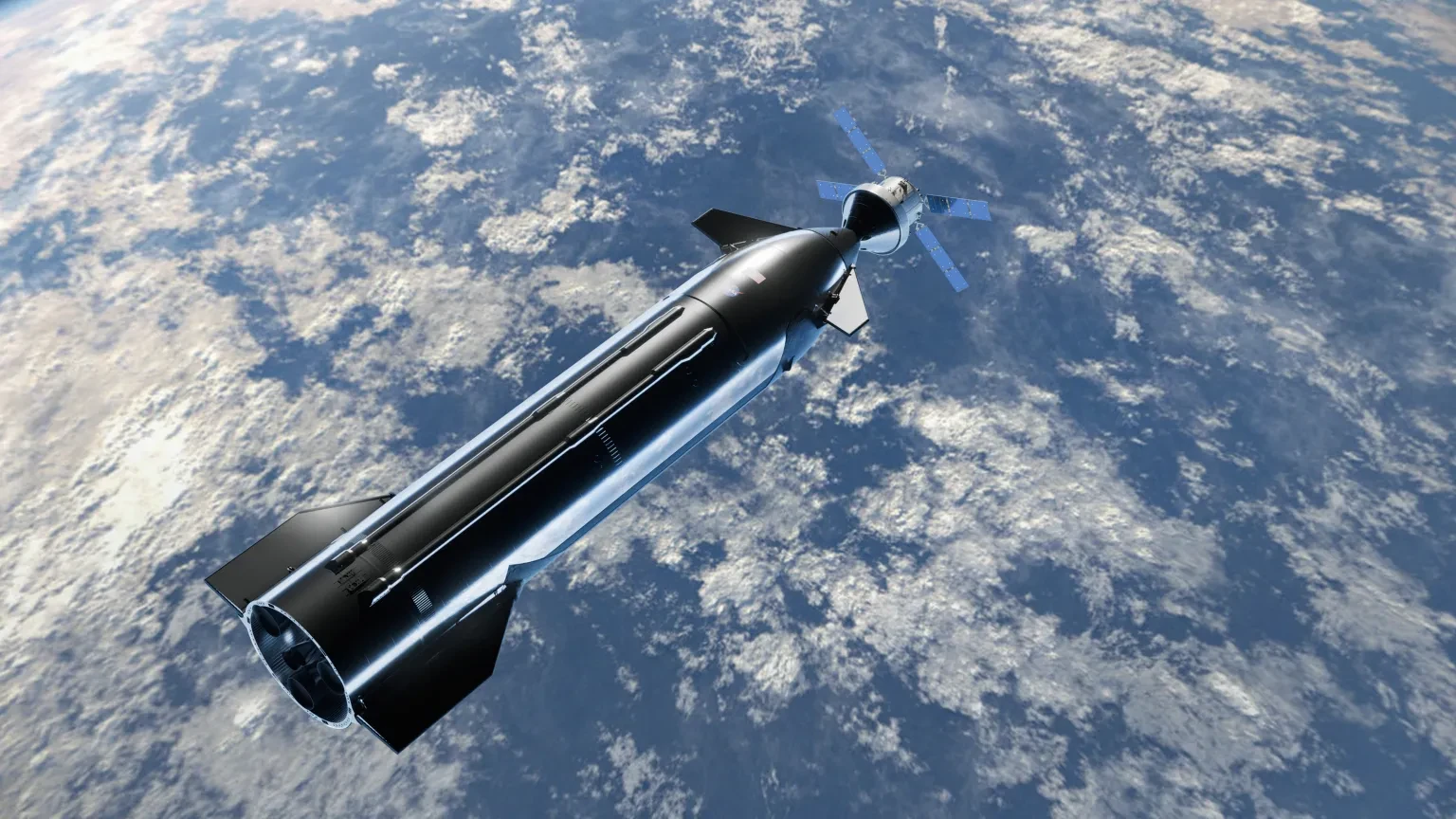
Distinct Lunar Lander Designs From SpaceX and Blue Origin
NASA’s cooperation with commercial space enterprises represents a new era in space exploration. Moving away from reliance on a single government-created vehicle, the Artemis program fosters innovation through multiple solutions competing to develop future lunar transport systems.
SpaceX’s Starship lander is a large, reusable spacecraft designed for deep space, built upon the company’s launch vehicle technology. Its mission includes advanced orbital maneuvers and thorough surface readiness protocols.
Blue Origin’s Blue Moon lander offers a contrasting model, focused on a specialized lunar lander crafted to support crewed missions and long-term exploration goals. Both designs aim to fulfill NASA’s vision of sustainable human presence on the Moon.
Upcoming uncrewed test flights will enable NASA and its partners to gather operational data to guide enhancements in spacecraft engineering, mission execution, and lunar operations before crewed missions begin.
- Categories:
- News






0 comments
Sign in to Comment