
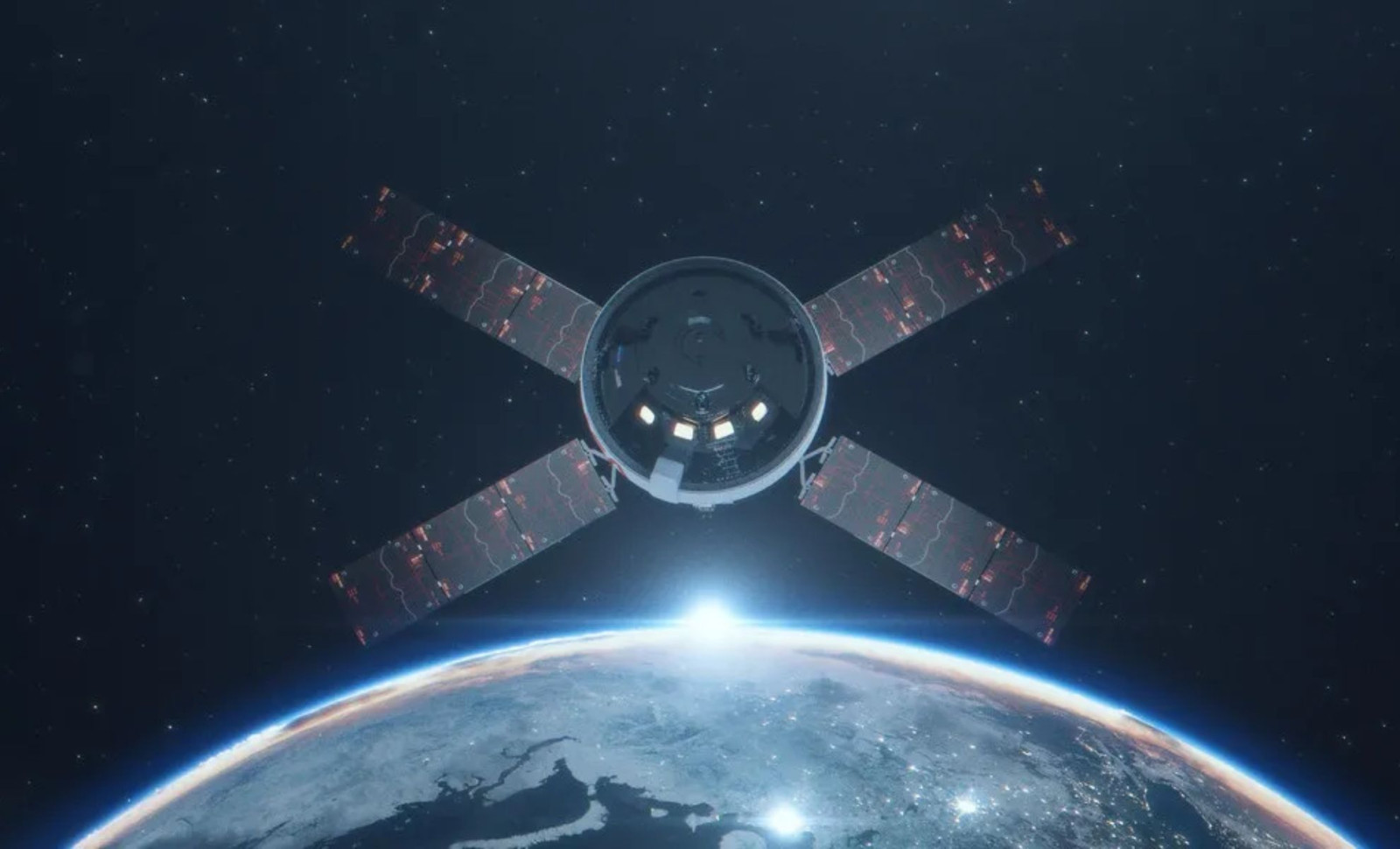
NASA has partnered with SpaceX’s Starlink network to facilitate the transmission of imagery from the forthcoming Artemis III mission, establishing an innovative communication channel between the Orion spacecraft and mission control on Earth. This development, announced by NASA, demonstrates the increasing role of commercial space networks in upcoming lunar exploration endeavors.
Innovative Communication Pathway for the Moon Mission
The Artemis III mission is set to mark NASA’s first crewed lunar landing in the current Artemis program, with astronauts journeying to the Moon aboard the Orion spacecraft before heading back to Earth. One critical aspect of deep space missions is effectively relaying extensive scientific and operational data across the vast expanse of space while ensuring continuous communication links.
NASA’s choice to incorporate Starlink technology brings a commercial communication solution into the traditionally government-driven exploration framework. This system will enhance the delivery of imagery captured during the mission, enabling faster and more reliable transfer of valuable visual data from the lunar surface to Earth.

This collaboration exemplifies the growing trend in space exploration where public institutions increasingly depend on private-sector innovations for specialized services. SpaceX operates one of the largest satellite constellations in low Earth orbit, and NASA is exploring how such commercial networks can be leveraged for missions extending beyond Earth’s orbit.
Rapid access to lunar images holds significant scientific and practical importance. Ground-based teams use these detailed visuals to analyze the lunar setting, assess mission operations, and document astronauts’ discoveries on the Moon.
Starlink Mini Lasers will deliver high-bandwidth connectivity to NASA’s Orion Spacecraft during Artemis III https://t.co/sBLyK3ERyb pic.twitter.com/dU2XKhI21m
— Starlink (@Starlink) July 16, 2026
NASA Explains Starlink’s Contribution to Lunar Missions
As outlined by NASA, the integration of Starlink within the Artemis III communications setup is part of ongoing efforts to enhance data transmission capabilities for future exploratory missions. The agency is deepening its alliance with commercial space entities to develop robust solutions for ventures beyond low Earth orbit.
The information from NASA emphasizes the transmission of imagery from the Orion spacecraft during the lunar journey. Visual data captured during crewed exploration missions provide critical insights into the lunar terrain, equipment functionality, and astronaut activities.
Utilizing commercial communication infrastructure paves the way for supporting more intricate lunar operations in upcoming missions. As the Artemis program progresses, reliable data links will be vital for spacecraft, crew, and scientific analyses.
NASA’s method reflects a larger strategy to combine governmental expertise with commercial technological advances. Private enterprises are already contributing in areas like launches, cargo transport, and satellite services to bolster space exploration efforts.
This collaborative model enables NASA to concentrate on achieving its exploration objectives while leveraging commercially developed systems that evolve rapidly. Such partnerships may redefine communication frameworks for missions venturing to distant destinations.
From Terrestrial Satellite Services to Lunar Communication Networks
Starlink was originally designed to offer global broadband through a vast satellite constellation orbiting Earth. Its application to space exploration signals a novel adaptation of commercial satellite technology for extraterrestrial missions.
Communicating with spacecraft near the Moon presents distinct challenges compared to Earth-based networks, requiring systems capable of handling longer distances and greater data demands.
Incorporating commercial technology into the Artemis III mission illustrates how existing infrastructure can be modified to meet exploration requirements. Rather than creating every system internally, agencies can blend proven technologies with tailored mission components.
This partnership highlights the blurring lines between government space initiatives and commercial space ventures. The contemporary space sector increasingly depends on cooperation among agencies, manufacturers, launch operators, and satellite businesses.
As humanity prepares for renewed lunar exploration, advanced communication systems will be key to transmitting findings and ensuring astronaut safety. The images relayed during these missions will contribute to a comprehensive chronicle of our return to the Moon.
- Categories:
- Space











0 comments
Sign in to Comment