
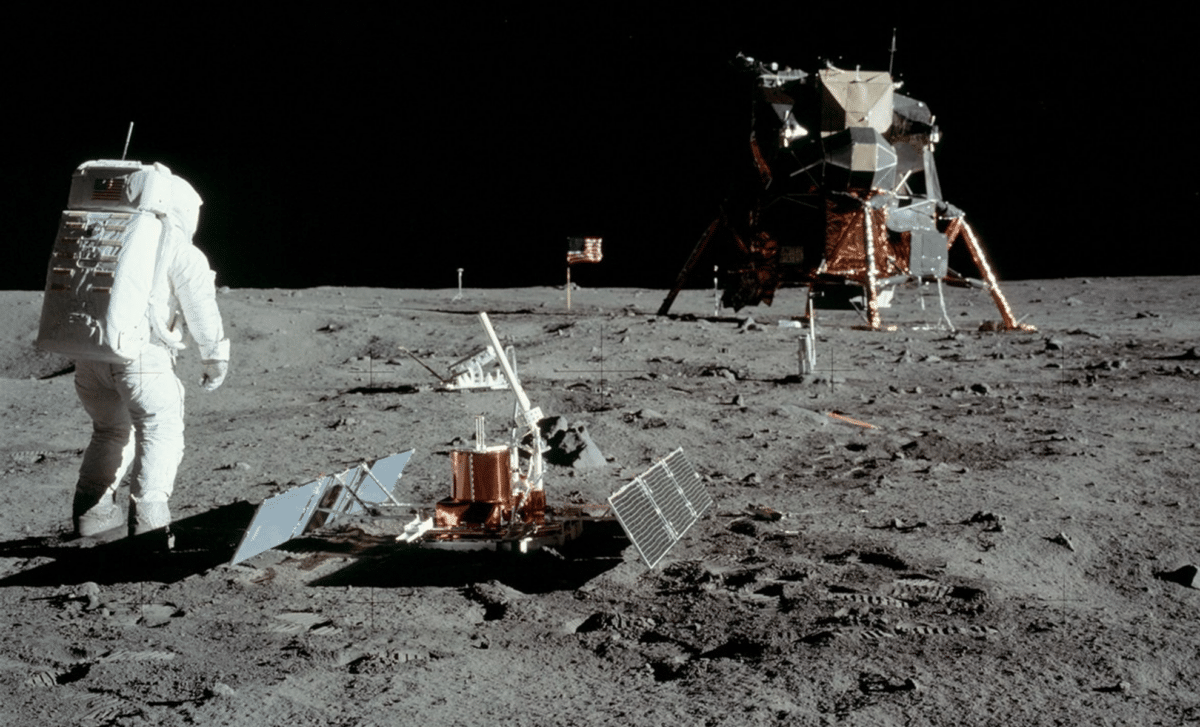
A recent investigation conducted by Los Alamos National Laboratory indicates that upcoming Artemis expeditions could utilize fiber-optic technology to track seismic events on the Moon, offering new insights into its internal composition while enhancing astronaut protection.
Innovative Strategy for Monitoring Lunar Seismic Activity
The Moon experiences ongoing, subtle seismic disturbances beneath its surface, referred to as moonquakes. These tremors provide vital information about lunar geology, yet effective monitoring has posed significant challenges since the Apollo missions. Conventional seismic detectors deliver accurate readings but have limited coverage and require intricate set-up.
Scientists at Los Alamos National Laboratory propose an alternative method involving fiber-optic cables functioning as wide-ranging seismic detectors. Already used in Earth's telecommunication networks, these cables can sense vibrations throughout their length, effectively converting extensive cable routes into continuous sensing arrays.

“The moon has a lot of seismic activity, but deploying traditional seismic sensors like seismometers is extremely difficult and costly,” said Carly Donahue, a scientist at Los Alamos National Laboratory and corresponding author on the two papers. “Fiber-optic cables are lightweight, robust and inexpensive, so we wondered: Could they be used on the surface of the moon to detect seismic activity there?”
This innovative methodology could enable lunar missions to monitor extensive surface regions without relying on heavy instrumentation, significantly broadening the scope of moonquake detection.
Advantages of Fiber Optics Compared to Traditional Seismic Instruments
While standard seismometers yield valuable localized data, their deployment in lunar environments is costly and labor-intensive, restricting the area covered.
The fiber-optic sensing mechanism leverages distributed acoustic sensing (DAS), where laser light pulses transmitted through the cable sense minute vibrations caused by seismic events. Each segment along the cable behaves as an independent sensing unit, providing a seamless monitoring network over long distances.
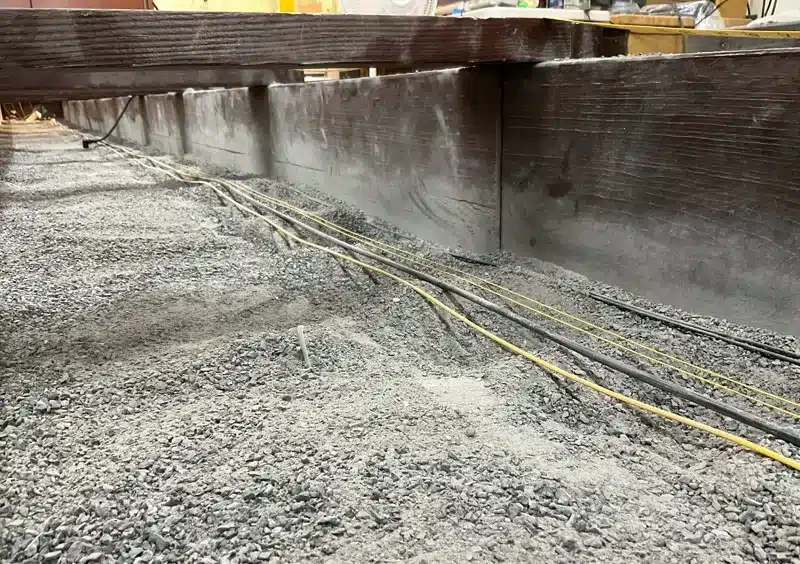
“Seismometers sit in one location and are good at collecting data from that one site. But what about further away?” Donahue explained. “We wanted to know if it would be possible to use a robot or rover to launch fiber-optic cables across many kilometers on the surface of the moon without burying them and still get useful data.”
This system proposes a cost-effective and scalable option, where a single robotic vehicle could deploy extensive sensing networks in a single operation, simplifying mission logistics.
Robotic Deployment: A Game-Changer for Lunar Science
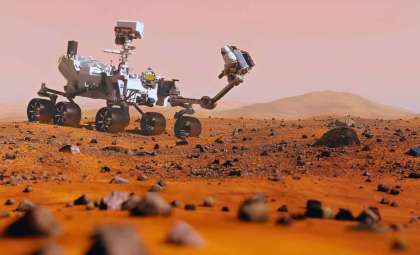
The simplicity of integrating fiber-optic installations with robotic explorers stands out as a major benefit. Upcoming lunar rovers could autonomously lay fiber-optic sensors, reducing the need for astronauts to conduct demanding or hazardous placement operations.
“If so, it would be a much cheaper, more efficient way to gather data without requiring an astronaut to travel long distances to install sensors or the extensive on-site support systems used during the Apollo missions,” Donahue added.
This advancement aligns with NASA’s commitment to automation, sustainability, and long-term lunar infrastructure under the Artemis program. Fiber-optic networks could one day provide continuous seismic monitoring and aid in communication across the lunar surface.
Peering Into the Moon’s Interior Through Seismic Signals
Studying moonquakes extends beyond academic interest. These tremors unlock information about the Moon’s inner layers, heat processes, and geological dynamics. They are crucial for ensuring the safety of future lunar bases.
Unexpected seismic events threaten habitats, gear, and human explorers. A widespread sensing platform will assist planners in identifying hazardous zones and devising safer strategies for landings and settlements.
Additionally, collected data will help refine models explaining lunar formation and evolution, deepening our grasp of planetary science across the solar system.
- Categories:
- News





0 comments
Sign in to Comment