
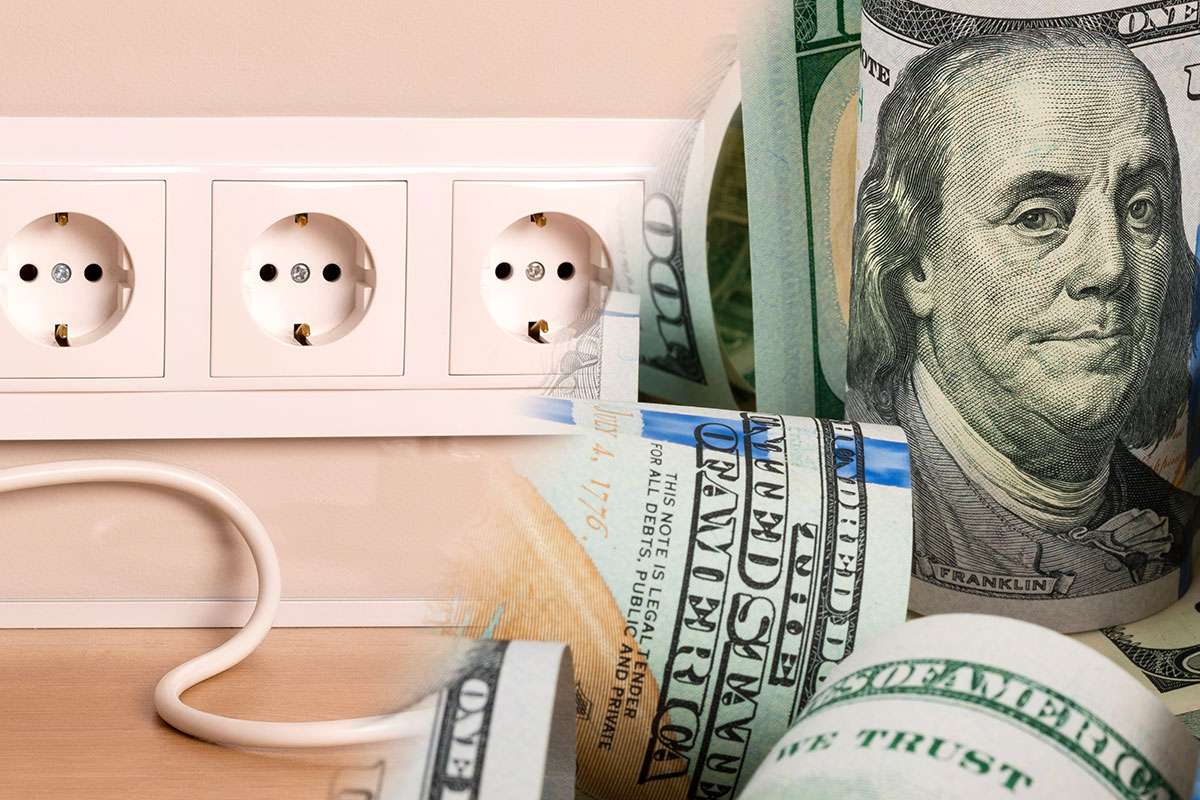
Many assume that their oven or gaming console is to blame for rising electricity costs, but the true energy guzzler in your home is often overlooked. Your refrigerator quietly operates nonstop, making it the biggest energy drain in most households.
Since refrigerators run all day and night to keep food fresh, they steadily consume power. On average, modern fridges use between 200 and 500 kWh annually, which can amount to nearly 25% of a household’s energy usage.
Here’s a breakdown of typical annual energy consumption by common kitchen appliances:

Appliance Annual Energy Use (kWh) Refrigerator 200-500 Oven 130 Microwave 90
Though this may seem concerning, advances in renewable energy technologies are emerging to help offset these power demands, potentially changing the way homes manage electricity in the near future.
Reducing Refrigerator Energy Use: Practical Tips
Since unplugging your fridge isn’t an option, here are several ways to lessen its electricity impact:
- Choose energy-star rated models (A+++ preferred) when replacing old units
- Keep the fridge away from heat sources such as ovens or direct sunlight
- Regularly clean the condenser coils for peak efficiency
- Set temperatures according to manufacturer guidelines (typically 37°F to 40°F)
- Don’t overcrowd the fridge to ensure good air circulation
Applying these straightforward adjustments can noticeably reduce your fridge’s energy use and lower your utility costs.
Other Surprising Power Consumers in Your Home
Aside from the fridge, clothes dryers are another major energy user, consuming close to 350 kWh yearly. Air drying clothes or choosing lower heat settings can help trim this consumption.
Electric water heaters also demand significant energy. Slightly reducing the temperature setting and insulating the heater and pipes can improve energy retention and reduce waste.
Even devices that seem low-impact, like internet routers and modems, contribute by running continuously, averaging about 165 kWh annually. Using timers to power them down overnight may cut consumption.
While individual small appliances like coffee makers don’t use much energy alone, their combined effect is noteworthy. Responsible recycling of electronics not only conserves energy but also recovers precious materials that support sustainability.
Tips for Enhancing Your Home’s Energy Efficiency
To tackle rising energy bills and minimize environmental impact, consider these energy-saving measures:
- Use smart power strips to eliminate standby energy drain
- Upgrade to energy-efficient appliances
- Maximize natural lighting and switch to LED bulbs
- Insulate your home properly to reduce heating and cooling needs
- Maintain all appliances to ensure they run efficiently
Adopting these practices along with mindful usage can significantly cut your energy consumption. Ultimately, using less power is the best strategy for savings and environmental preservation.
In summary, while your refrigerator may be the unexpected main driver of your electricity costs, thoughtful choices and energy-aware habits can help you manage your home’s power use. Recognizing high-energy appliances and optimizing their operation enables a more sustainable and budget-friendly household.
- Categories:
- Tech
















0 comments
Sign in to Comment