
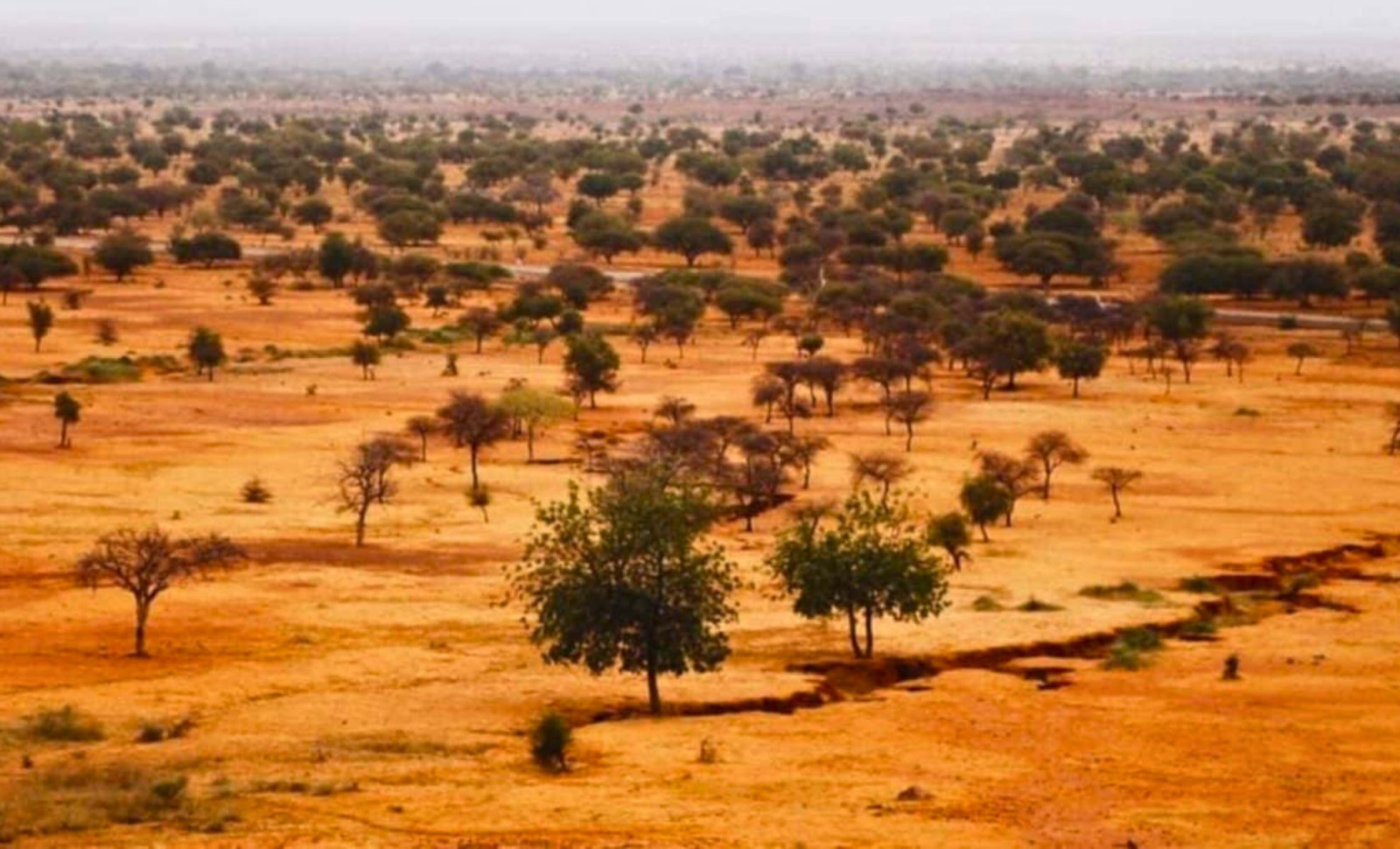
Reviving plant life in the Sahel region might hinge on a simple factor: breaking up compacted soil. A report highlights a project where 500 African spurred tortoises were released along the southern boundary of the Sahara Desert in 2021. Subsequent satellite imagery revealed intermittent green patches appearing in areas frequented by these creatures.
The emergence of greenery was attributed to the tortoises’ digging activities rather than conventional tree planting. As they traversed the arid terrain, they disrupted the hardened soil crust, creating tiny pockets that retained moisture longer than the undisturbed ground, enhancing seed germination chances following rainfall.
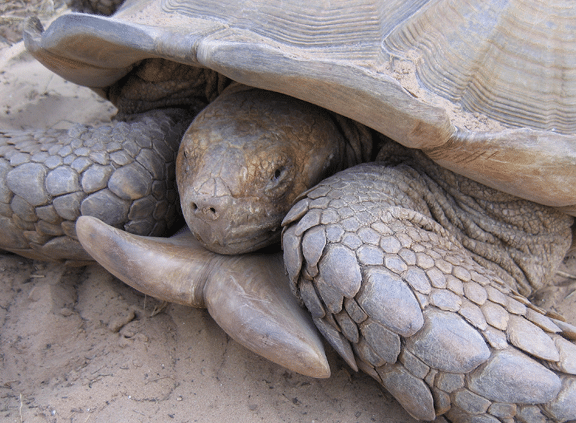
The species involved, Centrochelys sulcata, is well-equipped for such environmental engineering. According to a 2020 profile from the IUCN/SSC Tortoise and Freshwater Turtle Specialist Group, the African spurred tortoise is the largest terrestrial tortoise on the continent. Males can surpass 100 kilograms, enabling them to alter the soil structure significantly through their digging.

Soil Penetration by Digging Enhances Water Absorption
In many dry ecosystems, the soil surface acts as a barrier. Compacted or crusted soil prevents rainwater infiltration, causing it to runoff instead. While seeds might already be present or dispersed by wind, they require moisture, shade, and softened soil for successful growth.
Findings from the project indicate that these tortoises contribute by digging, loosening the upper soil layers and opening burrows. This process allows water to percolate better. The resulting green areas did not represent vast forest regeneration but rather small patches of vegetation closely connected to zones disturbed by the tortoises.
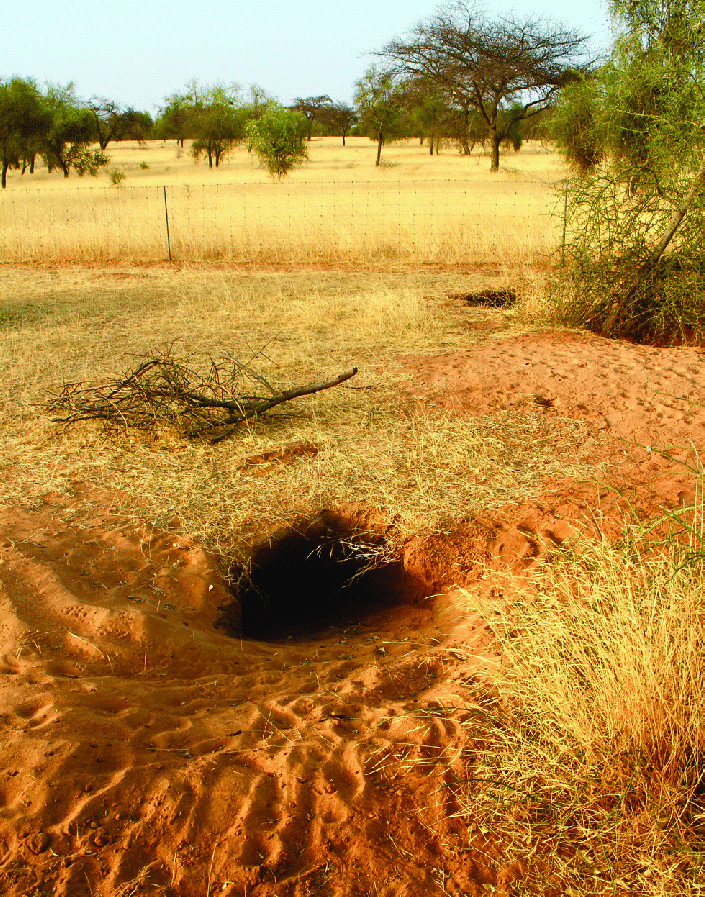
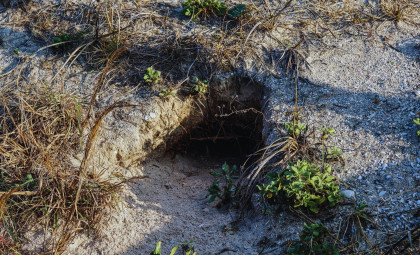
The IUCN report notes that African spurred tortoises excavate extensive burrows, sometimes extending up to 15 meters, which help them avoid extreme temperatures and survive adverse seasonal changes. These burrows provide shelter and create shaded, disturbed soil patches, which play a crucial role in water and seed dynamics in dry environments.
Large Tortoises Influence Their Surrounding Habitats
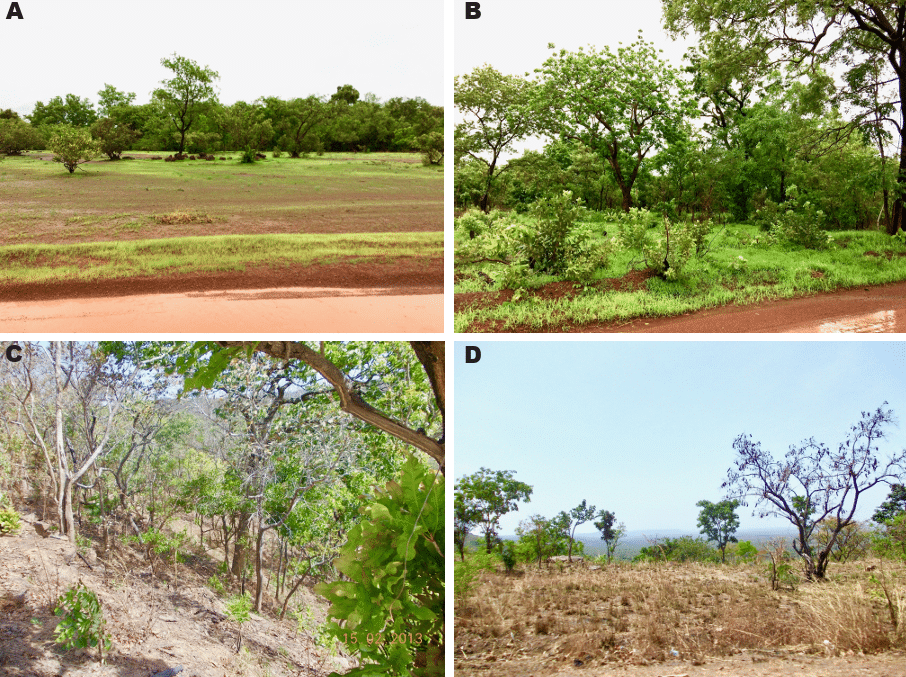
Native to the arid savannahs of the Sahel, African spurred tortoises inhabit areas with intermittent vegetation cover. The IUCN describes their habitats as including stabilized dunes, slopes, grasslands, shrublands, and regions near seasonal waterways—each shaped by heat, brief wet seasons, and uneven water distribution.
Even minor changes matter in such fragile ecosystems. Burrow entrances introduce shade, and loosened soil holds moisture differently. These disturbed patches create favorable sites for seeds to establish without requiring the tortoise to actually plant vegetation.
A review published in 2017 in Frontiers in Ecology and Evolution highlights the species’ ecological functions including grazing, browsing, trampling, burrowing, and seed dispersal. These common behaviors contribute to habitat structuring over time, especially in environments reliant on brief moist periods.
Reintroducing Tortoises Restores Ecological Processes
Conservation projects in West Africa have integrated African spurred tortoise reintroductions. The IUCN details efforts in Senegal, such as in North Ferlo and Noflaye’s Village des Tortues. One study following radio-tagged individuals over four years found survival rates exceeding 80 percent.
Survivability is key because the tortoises impact the landscape gradually and continuously. A single burrow influences a localized spot, but many tortoises moving and digging over years multiply these effects, ultimately bridging conservation initiatives with dryland restoration.
The IUCN report also points out that the species is declining swiftly due to habitat destruction, harvesting for eggs and meat, the exotic pet trade, and changing climate conditions. It is listed as Vulnerable on the 2020 IUCN Red List, with some assessments rating it Endangered. Additionally, cattle grazing, especially where managed through seasonal burning, poses challenges to tortoise habitats.
Soil Disturbance Enables Regeneration
This tortoise reintroduction project underscores that ecosystem recovery isn’t always about planting seeds or irrigating fields. Sometimes, enhancing soil structure is the key. Large native animals breaking up hardened earth can form tiny moisture-retentive zones where seeds face less stress.
Thus, African spurred tortoises are vital not only because of their size or rarity but due to their daily behaviors that modify soil conditions. These effects help explain why vegetation sprouted in areas disturbed by the tortoises upon their return. In arid landscapes, successful recovery hinges on water infiltrating the soil swiftly before drying out.
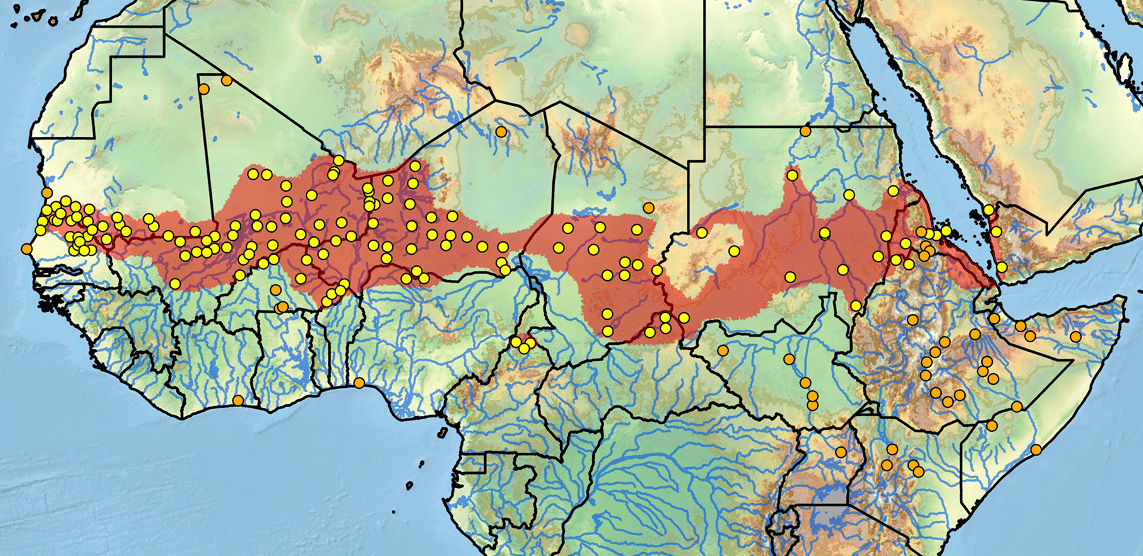
The Sahel project connects tortoise digging activity to patches of visible vegetation, while the IUCN documentation and the Frontiers review clarify the species’ physical traits, burrowing patterns, habitats, and ecological roles. The central idea is straightforward: by disrupting hard soil surfaces, African spurred tortoises create conditions favorable for plant growth.
- Categories:
- Science





0 comments
Sign in to Comment