
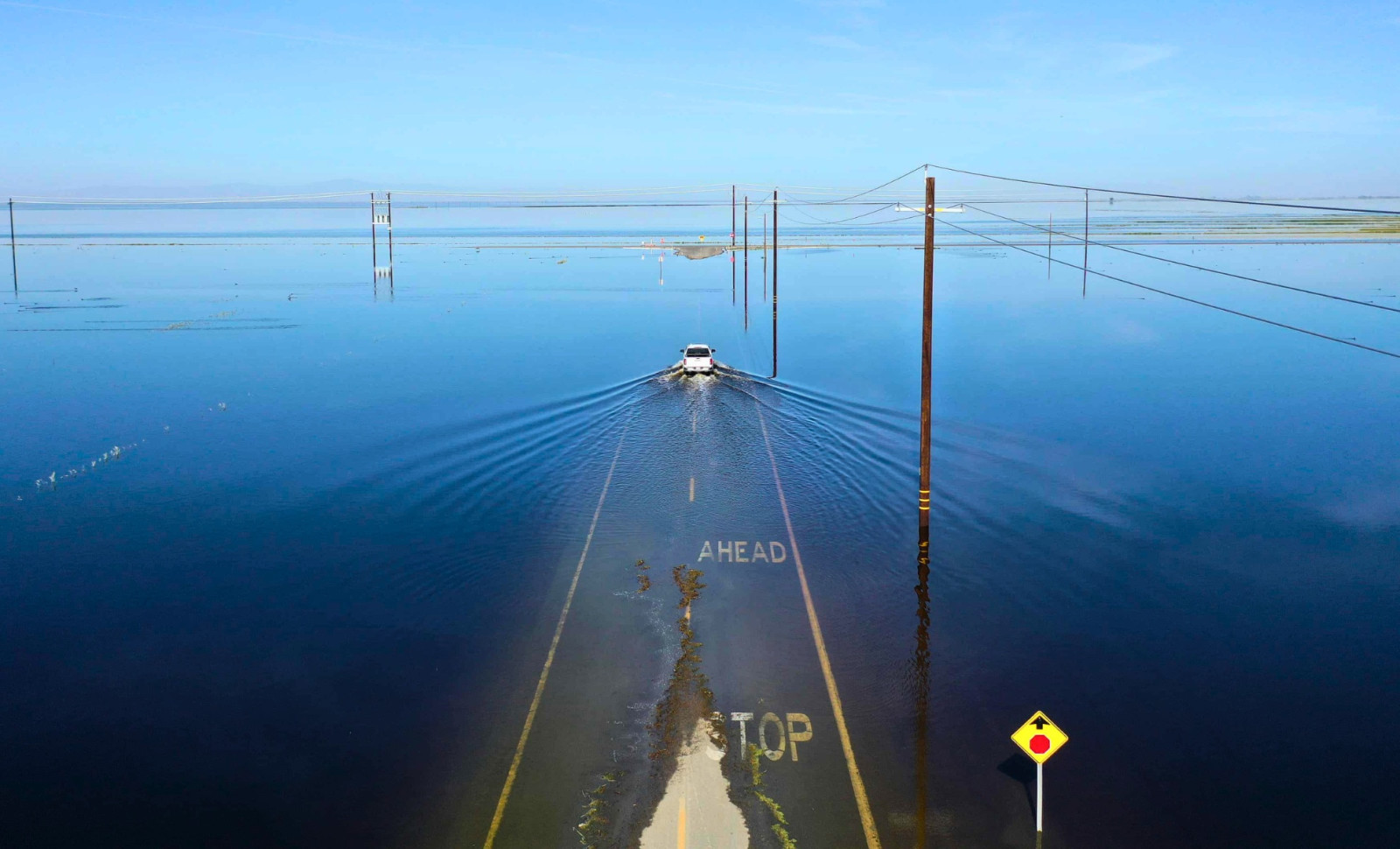
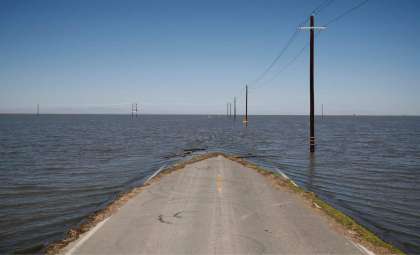
In California's San Joaquin Valley, fields growing tomatoes, cotton, and pistachios were briefly replaced by a vast expanse of water.
This water was Tulare Lake, or Pa’ashi in the language of the Tachi Yokut Tribe. Once one of the largest freshwater lakes in the western U.S., it disappeared over a century ago when it was drained to create farmland. After a winter filled with intense atmospheric rivers and abundant snowmelt, the lake unexpectedly reemerged.
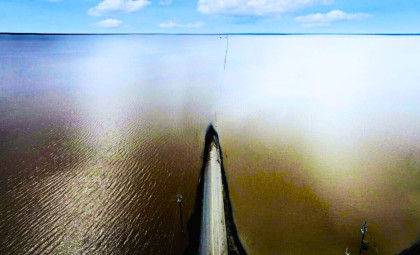
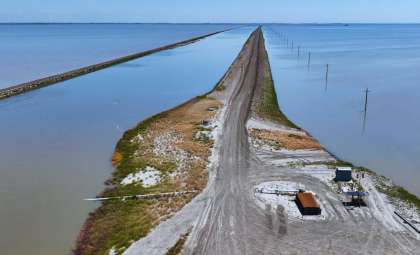
By spring 2023, reports noted that the lake had expanded to over 100,000 acres, with The Guardian detailing Tulare Lake’s shrinking in March 2024. Local outlet FOX26 News stated the lake at its largest covered approximately 120,000 acres, flooding more than 10% of Kings County.

Less than a year later, a majority of this water had vanished once again.
Heavy Rainstorms Refilled an Ancient Basin
Situated in the predominantly arid San Joaquin Valley, Tulare Lake’s basin had been converted into productive farmland. In February 2024, Northeastern University reported that the lake’s resurgence followed a period of severe weather, featuring atmospheric rivers delivering heavy rain and snowfall across California.
Vivian Underhill, an environmental justice scholar and ethnographer who studied the lake, shared with Northeastern that Tulare Lake historically stretched over 100 miles long and exceeded 30 miles in width. She called it “the largest freshwater body west of the Mississippi River.”
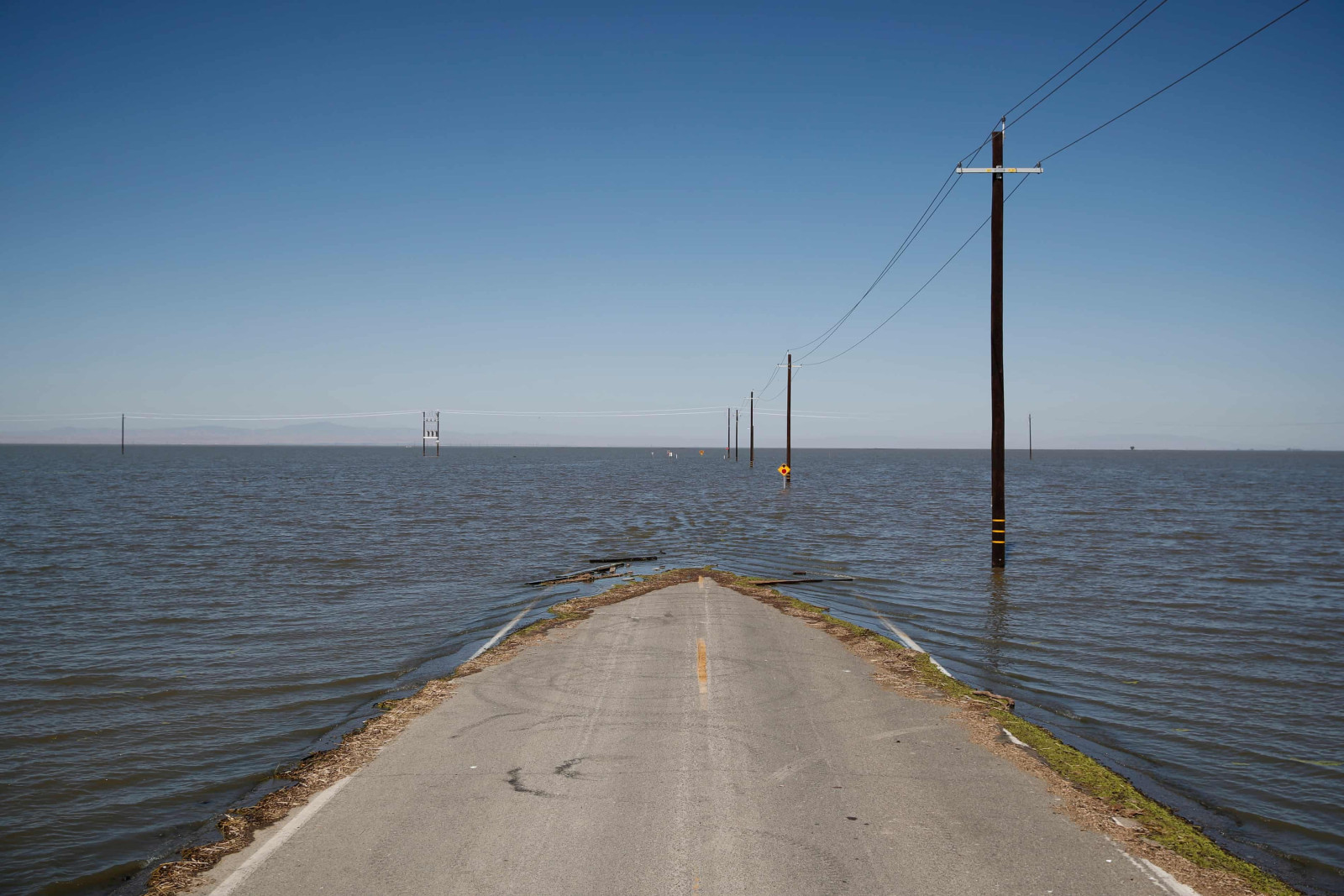
The lake’s water supply mainly came not from local rain but from snowmelt originating in the Sierra Nevada mountains. Because the valley lacks a natural outlet, excess runoff eventually pooled in the basin.
During 2023, heavy snowmelt and runoff flowed back into this depression, transforming the previously dry landscape and farmland back into a lake.
Transformation of Wetlands Into Farmland Erased the Lake
The reappearance of Tulare Lake was remarkable because it had been absent for generations. Northeastern’s report traced the lake’s disappearance back to the late 1850s and early 1860s, when California prioritized privatizing land and draining wetlands for agriculture.
Underhill referred to this process as “reclamation,” which involved draining flooded lands or irrigating deserts to create farmable plots. She linked this endeavor with the transfer of Indigenous territories into private ownership.
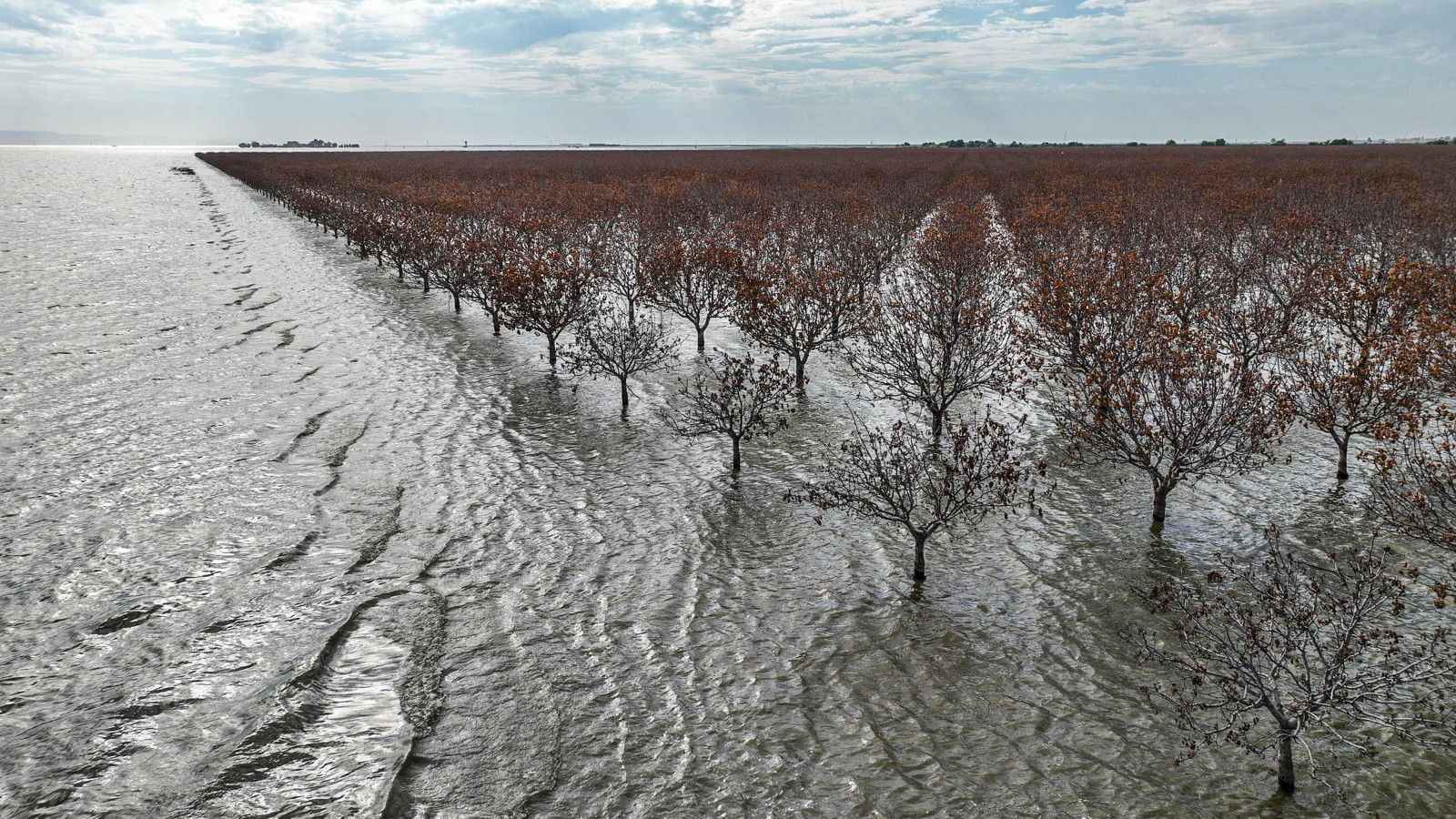
In her Open Rivers Journal article about Pa’ashi’s comeback, Underhill presented the reappearance as part of a broader colonial water control history, emphasizing what she called “colonial unknowing.” She argued that the lake’s disappearance was more than a physical change—it represented a historical erasure of California’s wetland heritage from public memory.
This interpretation is crucial because Tulare Lake’s comeback carries different meanings. For officials and farmers, it was a damaging flood disrupting livelihoods. But for the Tachi Yokut Tribe and researchers like Underhill, it marked the return of a lake to its rightful landscape.
Wildlife Returns Amidst Flooded Fields and Infrastructure
The revival of Tulare Lake produced a wide range of impacts across the area.
Northeastern noted the return of various wildlife including fish, amphibians, and birds. Underhill reported sightings of pelicans, hawks, and waterbirds, while the Tachi Yokut observed burrowing owls nesting near the shoreline.
For the Tachi Yokut Tribe, the lake’s resurgence held deep spiritual significance. Underhill shared that ceremonies took place by the waters, and that traditional hunting and fishing activities resumed.
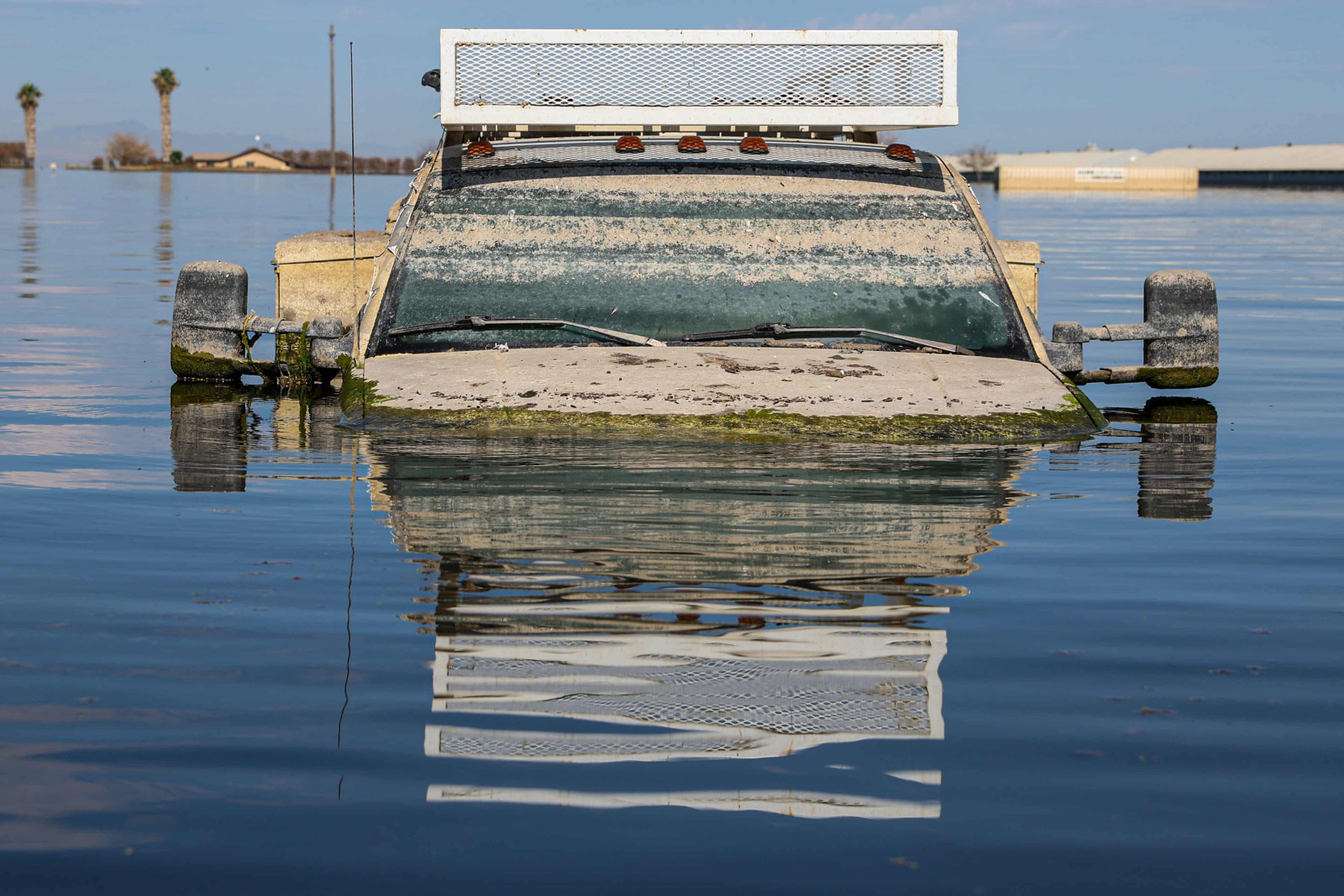
However, for farmers, landowners, and agricultural workers, the flooding caused considerable damage. The Guardian reported fields and roads submerged, towns threatened, thousands of cows evacuated, and infrastructure such as power lines affected. FOX26 added that some residents remained without electricity as transformers couldn’t be reinstalled safely.
Officials also warned that the water posed risks. The Guardian mentioned advisories cautioning people against entering the lake due to hazards like irrigation tubing, manure, and farm chemicals in the water.
Lake Shrinks Quicker Than Anticipated, Bringing Back Farming
Initial forecasts suggested that Tulare Lake would persist for years, but by March 2024, local authorities observed a faster-than-expected reduction in water.
On March 5, 2024, FOX26 reported only about 2,600 acres remained inundated, down from the roughly 120,000 acres peak. Sergeant Nate Ferrier from the Kings County Sheriff’s Department told the station that farming activity was resuming, with tractors and trucks once again working the fields.
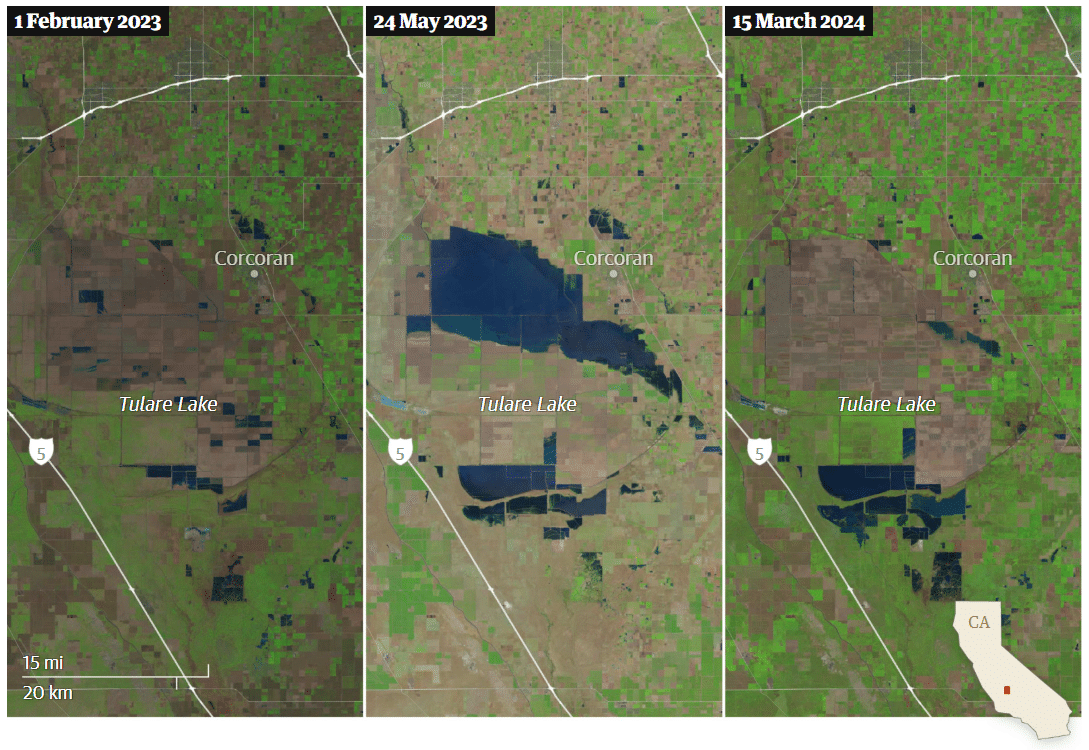
The Guardian later reported Tulare Lake had dwindled to just 2,625 acres, citing the Kings County Office of Emergency Services. Abraham Valencia from that agency stated officials anticipated the water’s “imminent disappearance” unless new snowfall or flooding occurred upstream.
This swift disappearance highlights that the lake’s return was a temporary phenomenon fueled by unusually wet conditions, snowmelt, and the basin’s natural shape—not a permanent revival.
FOX26 confirmed approximately 2,600 acres still remained underwater.
- Categories:
- News





0 comments
Sign in to Comment