
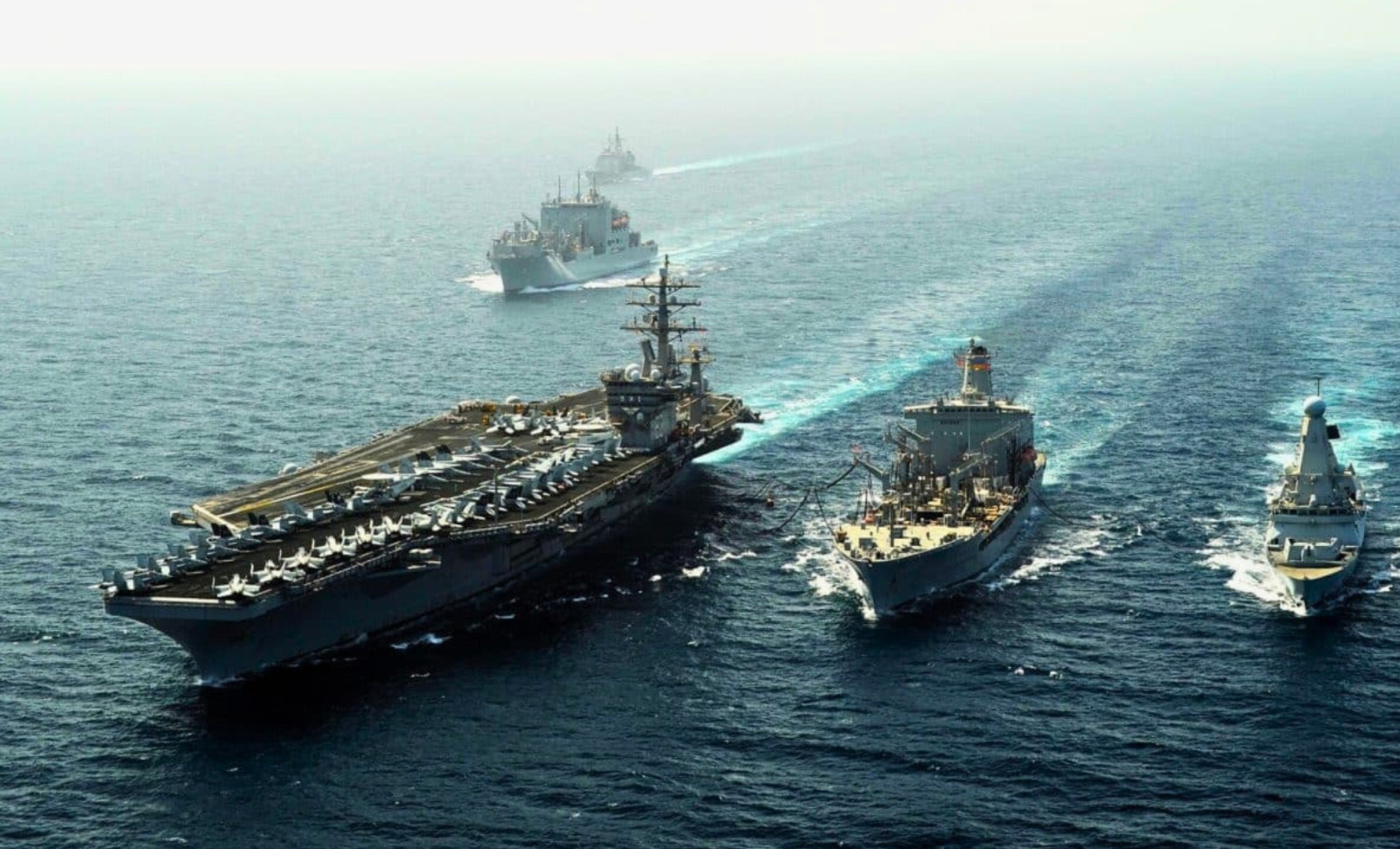
During a chilly North Atlantic drill known as Ocean Venture, a stealthy diesel-electric submarine operated quietly on battery power and managed to slip undetected past an extensive perimeter of destroyers, helicopters, and patrol aircraft. It then successfully executed a simulated torpedo strike on a U.S. Navy nuclear aircraft carrier.
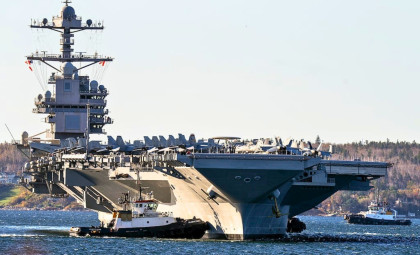
The exercise referee, a U.S. Navy officer responsible for evaluating the scenario, promptly ruled that the $5.5 billion USS Dwight D. Eisenhower had been effectively sunk.
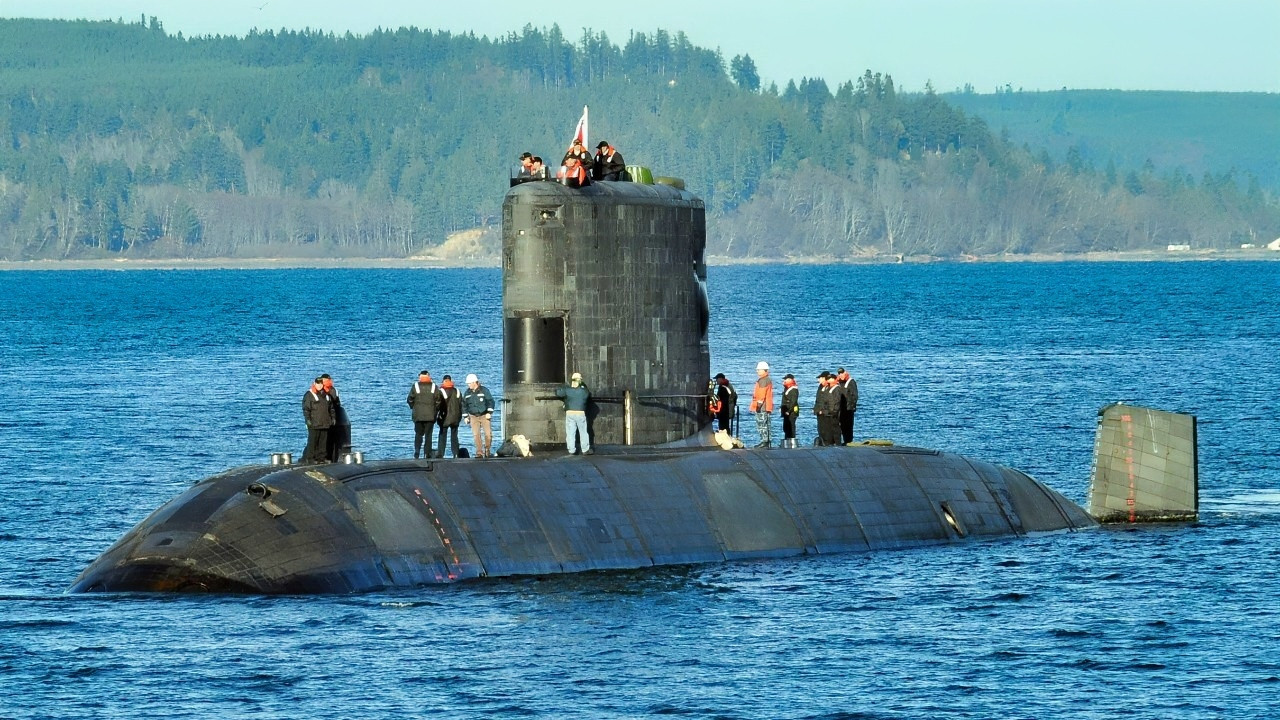
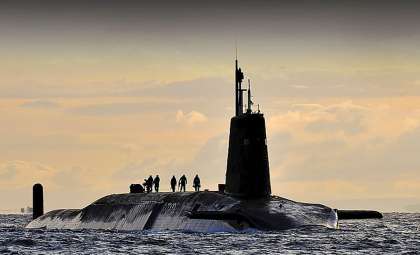
Remarkably, the “weapon” executing this fatal strike wasn't a cutting-edge missile or an advanced stealth aircraft but rather an $80 million Canadian Oberon-class diesel submarine — likely the HMCS Okanagan, Ojibwa, or Onondaga. This sub relied on battery-powered propulsion technology that was already somewhat dated at the time. This 1981 episode, chronicled by the National Security Journal, highlights that sheer expense and firepower do not always guarantee dominance at sea.

The Silent Predator That Breached a Naval Fortress
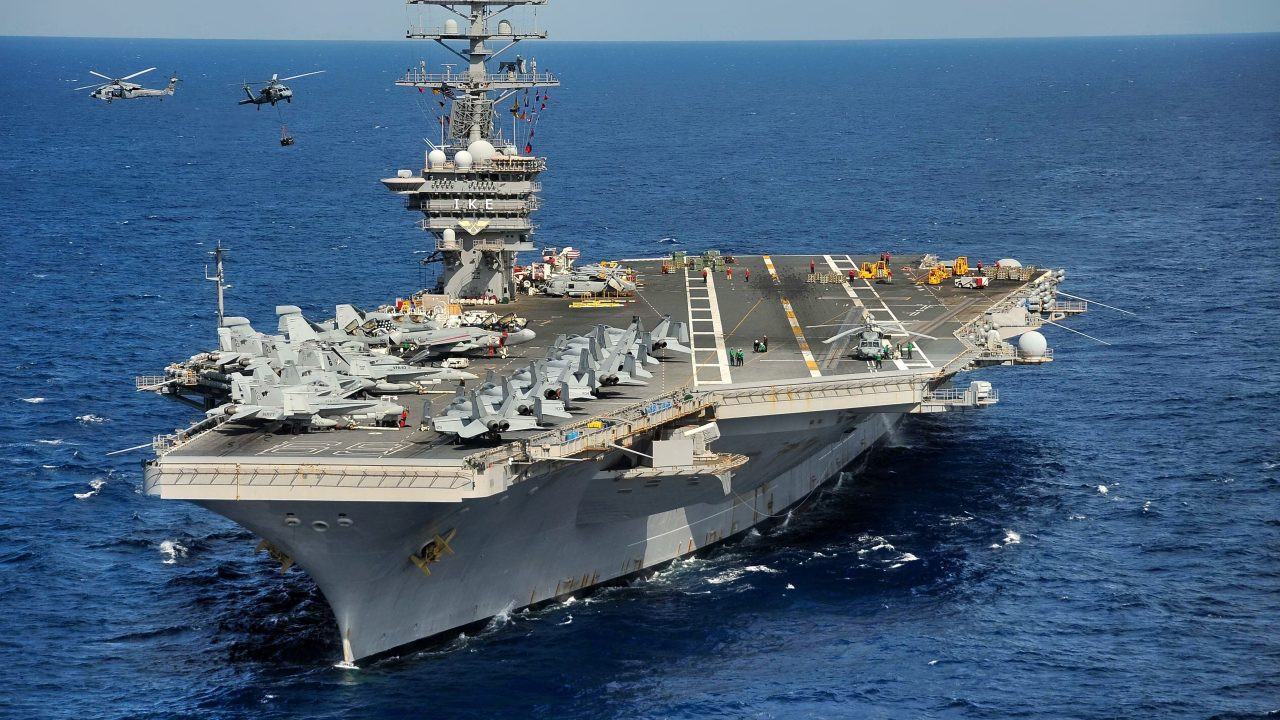
The USS Dwight D. Eisenhower was not operating alone. This Nimitz-class aircraft carrier, worth around $5.5 billion, was protected by a layered defense system. A screen of guided missile destroyers equipped with advanced radar and anti-submarine technology formed a protective barrier. Helicopters and reconnaissance planes continuously scanned the airspace, while underwater acoustic sensors kept watch over the seas.
Designed to be nearly impenetrable, the defensive formation relied on sonar arrays to detect noises such as propeller cavitation, machinery vibrations, and engine sounds. Early recognition of a submarine threat allows surface escorts to intercept before an attack range is reached.
However, the Canadian sub powered down its noisy diesel engines and switched entirely to its quiet battery-powered electric motor. This low-noise propulsion drastically reduced its acoustic footprint. Maintaining a slow pace to minimize water turbulence and flow noise, the submarine exploited gaps within the carrier group’s sonar coverage, blending in with ambient ocean sounds like waves, marine creatures, and distant vessel noises.
The Strategic Approach to the Strike Zone
According to defense analyses, the Canadian submarine carefully shadowed the carrier group throughout the exercise. Staying submerged and silent, it opportunistically closed the distance to slip past the defensive perimeter unnoticed.
Naval war games operate with rules of engagement that simulate combat outcomes without live torpedoes. Commanders assess when weapon ranges and firing angles line up, allowing the exercise’s adjudicator to determine if a hypothetical attack would succeed. Once a sub moves into a strikeable position, the simulated result is recorded.
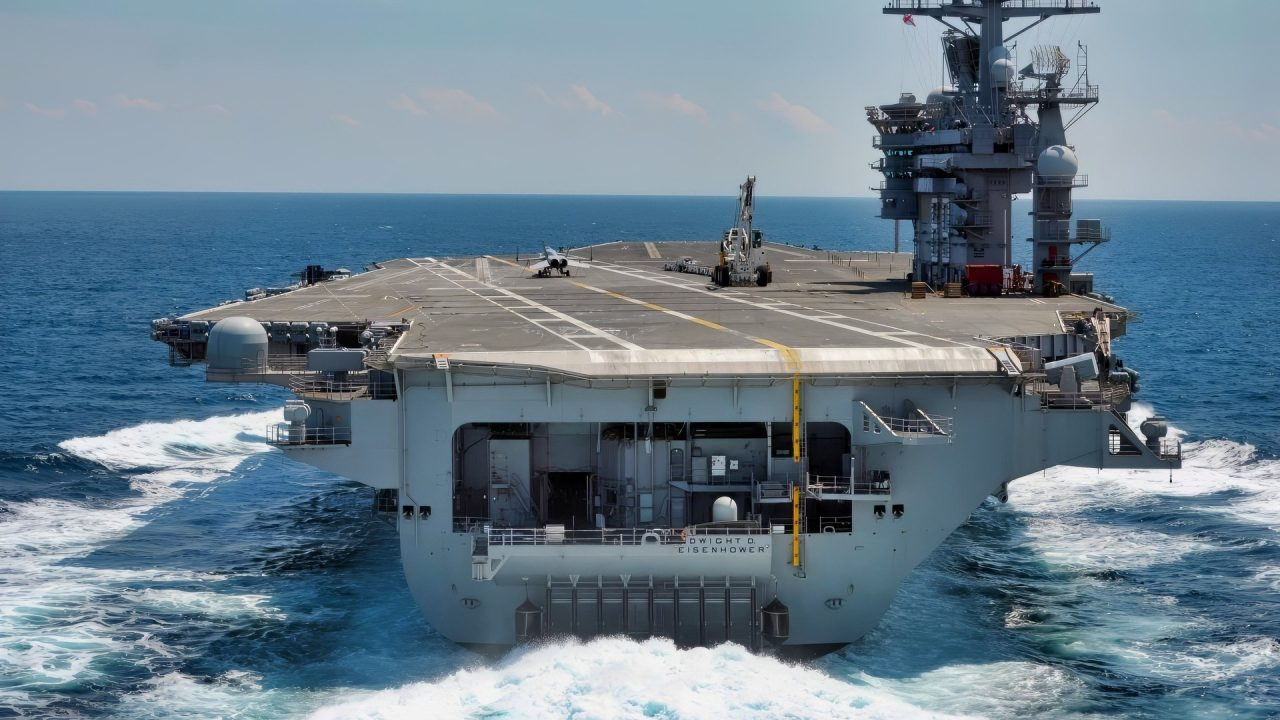
During Ocean Venture, the submarine ultimately reached a position where it could effectively deploy torpedoes against the carrier. The scenario’s rules rated this attack as successful, leading to the USS Dwight D. Eisenhower being marked as sunk within the exercise.
As reported by the National Security Journal, “The Canadian submarine had completed its mission undetected, proving that even the most formidable capital ships are susceptible to stealthy underwater adversaries.”
The Stealth Advantages Behind Diesel Submarines
A key factor enabling the simulated hit was the acoustic advantage of diesel-electric subs. Unlike nuclear-powered submarines, which generate constant reactor noise detectable by sonar, diesel submarines can shut down engines and rely solely on stored battery energy for virtually silent movement.
Operating on batteries, diesel subs trade speed for extreme quietness, drastically diminishing the acoustic cues that sonar operators seek. The ocean is also a naturally noisy environment, filled with biological and geophysical sounds, which further complicates detection efforts.
The Royal Canadian Navy has long operated diesel-powered subs for patrol and training. The Oberon class, procured in the 1960s, initially served mainly for training but were later upgraded. These improvements included anechoic coating tiles that absorb sonar pings and modernized systems enhancing underwater endurance and stealth.
Although diesel subs cannot stay submerged as long as nuclear ones, their noiseless running makes them ideal for coastal defense and for simulating enemy subs in exercises.
Repeated Lessons from Submarine Engagements
This 1981 episode was part of a broader pattern. Reports show that allied diesel subs simulated sinking U.S. aircraft carriers in about eight separate exercises between 1972 and 2005. Similar successes were achieved by Dutch and Australian diesel subs in later war games.
These repeated outcomes delivered a clear message: a highly trained crew operating a silent submarine can breach carrier defenses—at least within the parameters of exercises. This challenged U.S. Navy assumptions and prompted questions about possible shortcomings in anti-submarine warfare tactics and the potential underestimation of diesel-electric submarine threats.
Analysts consistently emphasize that submarines remain one of the most enduring dangers to aircraft carriers. Operating below radar detection, subs depend on stealth rather than speed. A quiet submarine correctly positioned can approach striking distance if surveillance fails.
It's worth noting that training drills enforce certain limitations: ships may not operate at full power, and active sonar use can be constrained. These conditions might differ from real combat, yet the outcomes have driven allied navies to reassess their anti-submarine capabilities.
A Timeless Strategic Insight
Since 1981, submarine technology has evolved. Modern conventional submarines equipped with air-independent propulsion can navigate silently for extended periods, further improving stealth. Meanwhile, anti-submarine warfare systems have advanced with enhanced sonar, radar, and unmanned underwater vehicles.
Still, no defense is perfect. As the National Security Journal succinctly put it: "While hypersonic missiles grab headlines, submarines remain the most persistent menace to carrier groups."
Although the USS Dwight D. Eisenhower faced no actual peril in 1981, this simulation left a lasting impact. It remains a key study in asymmetric maritime conflict, proving that a skillfully handled $80 million diesel sub can potentially neutralize a $5.5 billion nuclear carrier.
- Categories:
- News







0 comments
Sign in to Comment