
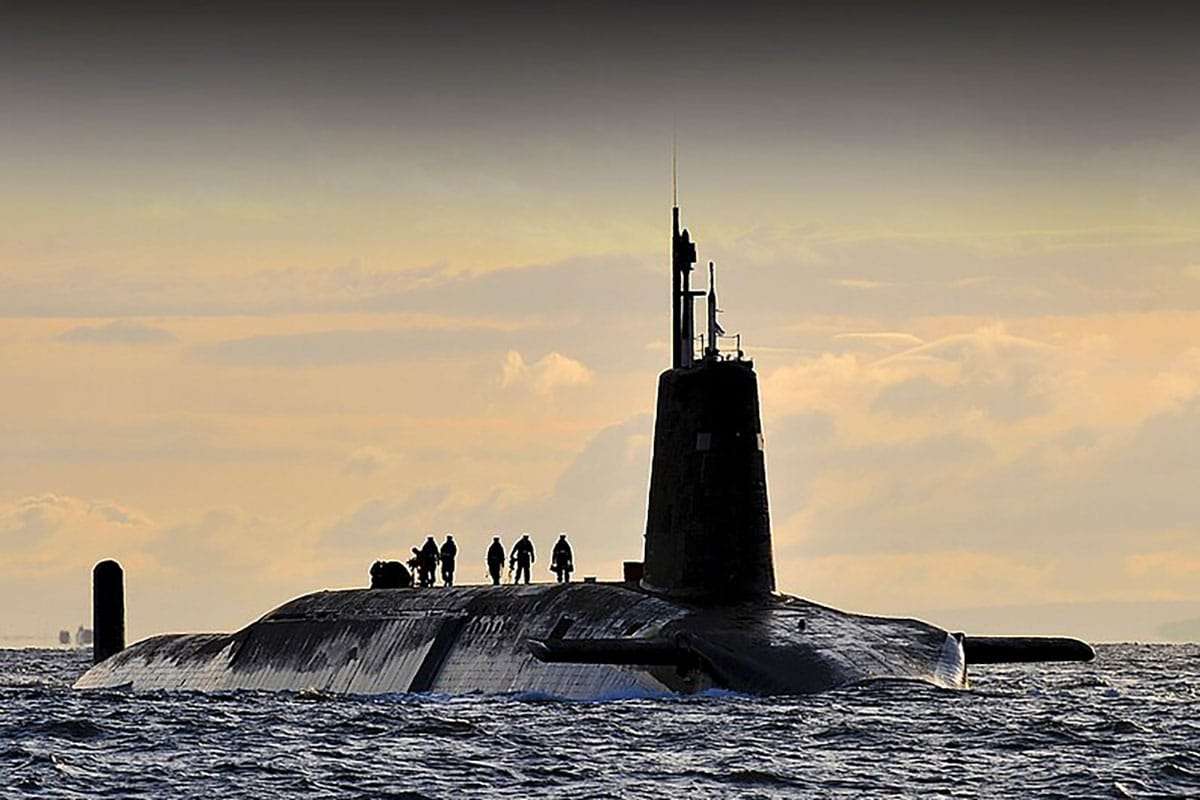
Britain’s Vanguard-class nuclear missile submarines serve as a cornerstone of the nation’s defense strategy. However, recent revelations of controversies and technical issues have raised concerns about their reliability. These submarines play a critical role not only in national security but also in sustaining global strategic stability by deterring major conflicts.
Key security concerns and controversies emerge
On August 2, The Telegraph exposed a troubling scandal regarding software used by British submarine crews. The development of this software was subcontracted to programmers based in Belarus, a country closely allied with Russia, with suspicions that some programming might have been carried out in Russia itself. This situation presents potential risks for security breaches that could undermine the UK's nuclear safeguards. Intended as a cost-saving and expedient measure, the contract was shrouded in secrecy, using the identities of deceased British citizens to conceal its origins.
Further investigation revealed that critical Ministry of Defence software was covertly developed in locations such as Minsk and possibly Siberia. This software is vital for the operations of marine engineers on Vanguard submarines. Any exposure of sensitive data, including details about Rolls Royce Submarines staff, represents a significant national security threat.

Technical faults highlight operational vulnerabilities
In November 2023, one Vanguard-class submarine narrowly avoided a catastrophic event caused by a technical malfunction, endangering its 140 crew members. The Sun described this incident as the "worst British naval accident since World War II," underscoring the critical need to address persistent maintenance and operational shortcomings.
Reports suggest that repairs are often rushed and fail to meet the rigorous standards expected for nuclear deterrent vessels. An unsuccessful recent test of a Trident missile amid heightened global tensions further exposed difficulties affecting the operational readiness of these submarines.
The impact of extended patrols on crew and equipment
The Royal Navy’s submarines face not only technological challenges but also staffing shortages that force longer deployment periods. In March, HMS Vengeance completed a record-breaking 201-day patrol, prompting questions about the sustainability of the UK’s nuclear deterrent strategy without risking equipment fatigue or crew exhaustion.
Former Defense Minister Ben Wallace has highlighted these vulnerabilities, cautioning that they may weaken national security. Dr. Marion Messmer of Chatham House emphasized the inherent stealth advantages of submarines but warned that these benefits could diminish if existing problems remain unresolved.
Stakeholder reactions and expert evaluations
Rolls Royce Submarines stated that their internal investigation found no evidence of breaches related to the outsourcing scandal, though they acknowledged discomfort upon discovering that WM Reply had engaged Belarusian and possibly Siberian programmers. Dr. Messmer highlighted the dangers of outsourcing essential defense tasks, while Ed Arnold of RUSI pointed out how such exposures can be exploited by adversarial intelligence agencies.
Pressured by financial constraints and deadlines, the decision to outsource has inadvertently created vulnerabilities within one of Britain's critical defense sectors. Ben Wallace starkly remarked, "This situation may have compromised our national security."
While submarines continue to offer strategic advantages through their stealth and mobility, these benefits are at risk unless immediate corrective actions are taken.
These findings underscore the necessity for comprehensive assessments aimed at strengthening cybersecurity measures and enforcing rigorous maintenance standards across the Royal Navy’s submarine forces, ensuring that deterrence capabilities remain robust and peace is maintained in a complex global security environment.
- Categories:
- News













0 comments
Sign in to Comment