
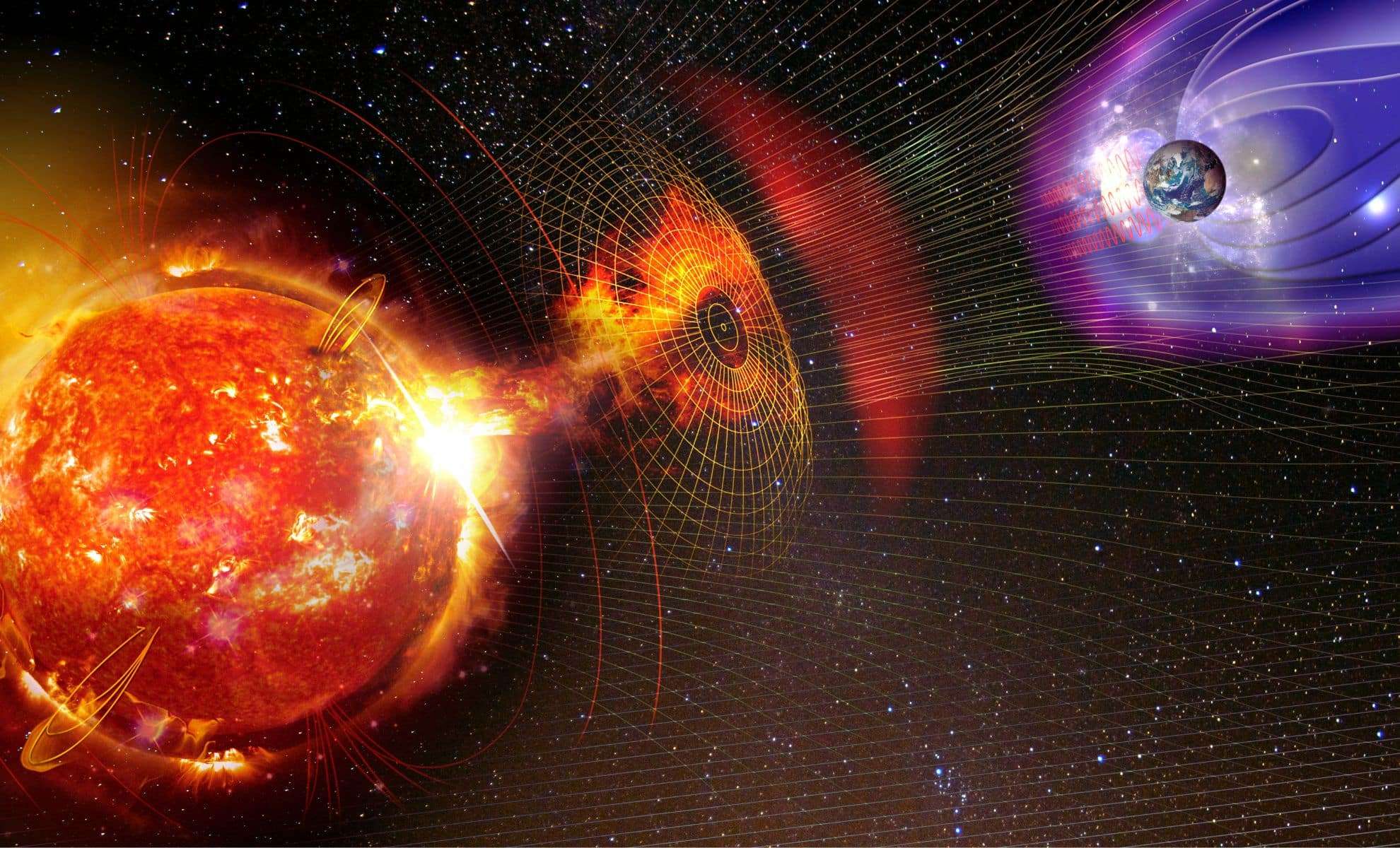
For years, scientists have recognized that Earth's magnetic shield hasn’t always been steady. Recent interdisciplinary research—featured in Science Advances—reveals that a significant geomagnetic disruption, called the Laschamps Excursion, dramatically influenced life more than 41,000 years ago. The investigation links a rapid drop in Earth's magnetic protection to heightened solar and cosmic radiation, resulting in vivid auroras and potentially driving early humans to seek shelter, adapt clothing, and utilize ochre as a form of sun protection.
The Laschamps Excursion: Earth’s Magnetic Field in Crisis
Approximately 41 millennia ago, Earth underwent the Laschamps Excursion, a brief but intense geomagnetic anomaly first identified from volcanic deposits in France. During this episode, Earth’s magnetic field diminished by roughly 90%, exposing the planet to increased solar wind and cosmic ray influx. Unlike full magnetic pole reversals, which happen over hundreds of thousands of years, this event involved a dipole breakdown, fracturing the magnetic field into numerous weak mini-poles scattered globally.
This magnetosphere collapse allowed charged solar particles—usually deflected—to reach Earth’s surface in large numbers. The consequences included spectacular auroral displays extending beyond typical polar regions and elevated ultraviolet radiation levels. While paleomagnetic and isotope data model these environmental changes, the breakthrough arose from correlating these cosmic events to archeological discoveries.

Insights from European Cave Dwellings
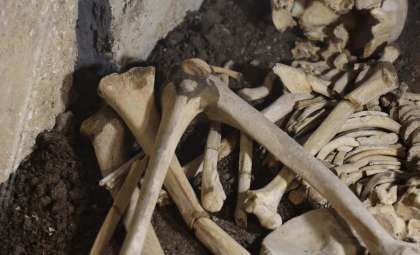
An interdisciplinary team of archaeologists and geophysicists examined shifts in prehistoric human and Neanderthal activity aligned with the Laschamps timeline. Focusing on Europe, where geomagnetic effects would have been pronounced, they uncovered signs of increased cave habitation, more advanced clothing designs, and widespread use of ochre pigment.
Caves, naturally protective against UV exposure, likely became vital refuges. Simultaneously, archaeological layers reveal enhanced production of fitted garments from animal hides, sewn with bone needles. These adaptations suggest humans responded to heightened radiation risk by covering skin, accompanied by the apparent application of ochre, possibly serving as an early sunscreen.
Though direct evidence linking radiation to behavior remains limited, the synchronization of timing, location, and adaptive traits strongly implies a connection. This paints early Homo sapiens as not only skilled toolmakers but also agile survivors adapting to intense environmental pressures caused by space weather.
Contrasting Survival: Humans Versus Neanderthals
During the Laschamps event, modern humans and Neanderthals shared parts of Europe. Their strategies for enduring this magnetic disturbance may have diverged significantly. While the study does not assert that the geomagnetic event triggered Neanderthal extinction, it raises the intriguing question: Did space weather influence evolutionary trajectories?
Evidence suggests Homo sapiens exhibited greater ecological flexibility through cultural innovation, material adaptations, and social cooperation to counter environmental stress. In contrast, Neanderthals appeared to occupy a narrower ecological niche, perhaps rendering them more susceptible to persistent issues such as increased UV radiation.
This perspective implies a complex interplay of factors—radiation exposure, climate fluctuations, and intergroup dynamics—that collectively shaped human evolution. The Laschamps Excursion may have intensified existing challenges, favoring populations with adaptable survival strategies.
Space Weather’s Role in Human Evolution and Beyond
The significance of this study lies in its integrated approach. While archaeologists often reconstruct ancient environments using proxies like pollen and isotopes, geophysicists typically simulate magnetic field variations. This collaboration breaks new ground by recognizing geomagnetic instability as a potential spark for shifts in human behavior.
Beyond historical insights, these findings hold modern relevance. Our reliance on satellites, energy infrastructure, and electronics heightens vulnerability to geomagnetic storms. Understanding how ancient humans coped with solar disturbances enriches current efforts to develop resilience strategies against future space weather threats.
- Categories:
- News







0 comments
Sign in to Comment