
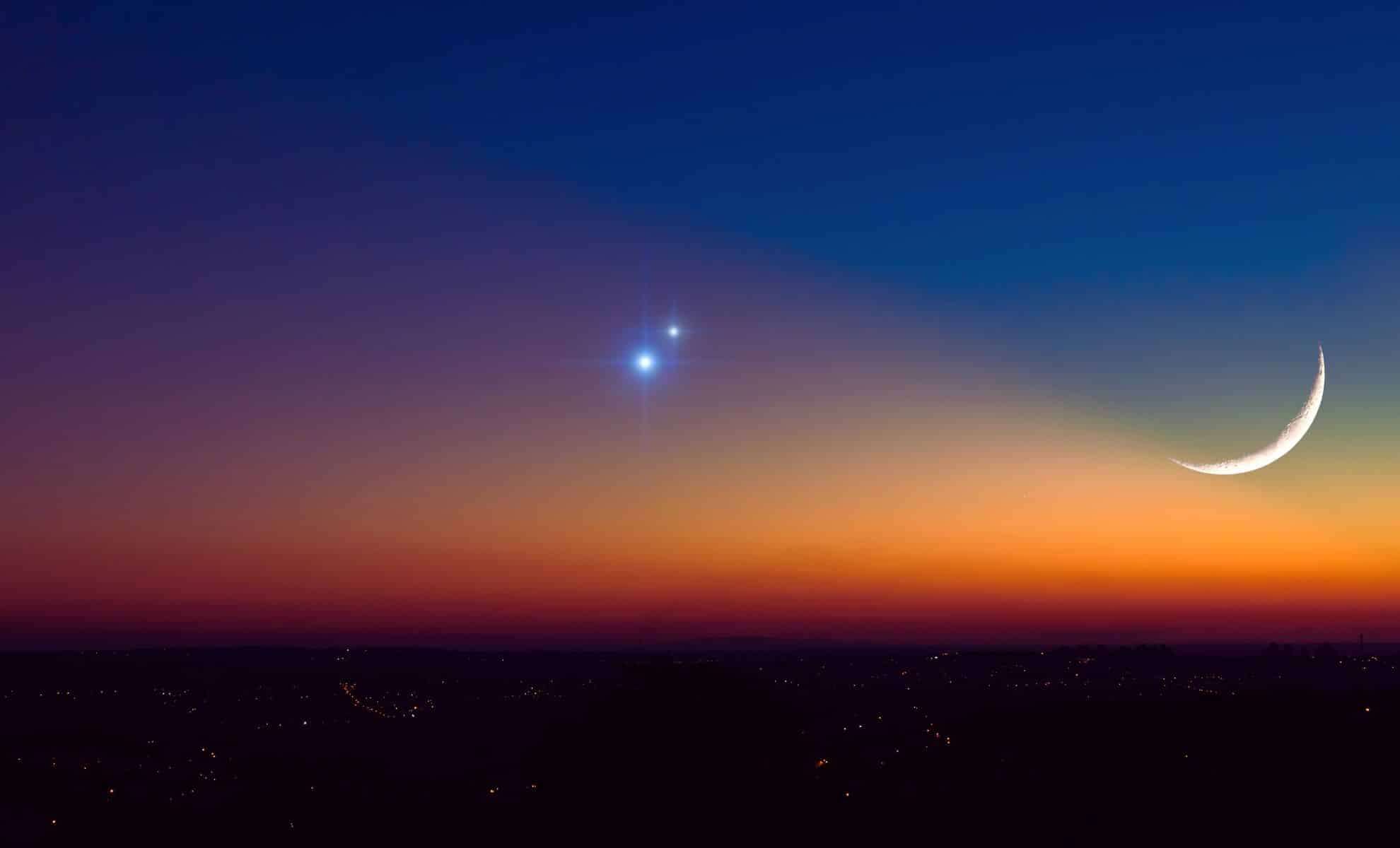
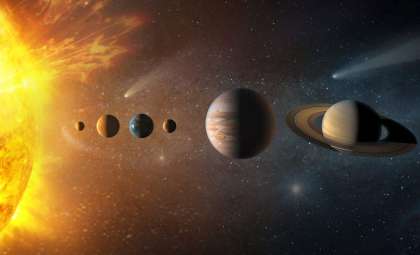
On Monday morning, August 18, 2025, early risers will be treated to a remarkable celestial event featuring six planets all aligned in the dawn sky. As reported by Forbes, this extraordinary parade, visible about an hour before the sun rises, will include four planets easily spotted with the naked eye: Mercury, Venus, Jupiter, and Saturn. Though Uranus and Neptune will also be positioned along this cosmic line, they’ll remain hidden without the aid of telescopes. This rare planetary alignment has drawn significant interest from the astronomy community, enhanced by the elegant glow of the waning crescent moon.
A Magical Glow from the Waning Crescent Moon
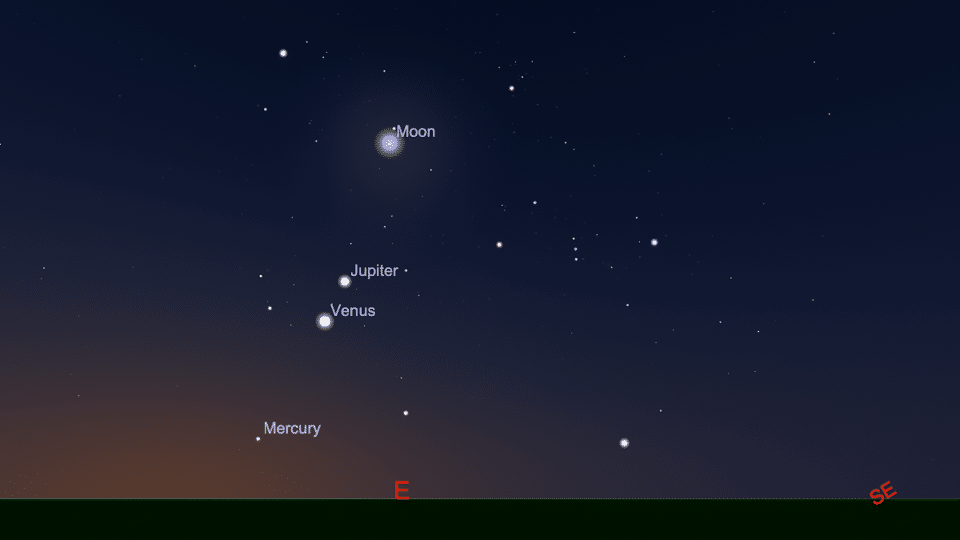
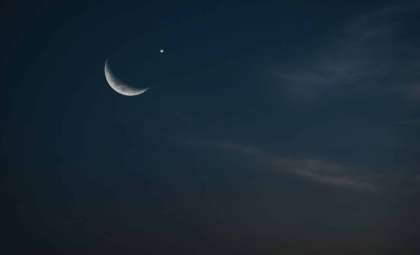
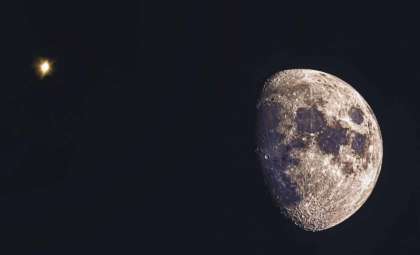
The spectacle’s charm goes beyond the grouping of these planets, highlighted by a waning crescent moon glowing at 26% illumination. This slender crescent will hover just above Jupiter and Venus, casting a gentle, dreamlike light across the morning sky. Those who rise early on August 18 will witness an awe-inspiring scene. Venus, the brightest planet in the perceptible sky, will glow vividly beneath the crescent, with Jupiter positioned slightly above Venus, shining powerfully as well. Mercury will also emerge from below the horizon just before sunrise, promising an additional highlight for dedicated observers.
The celestial parade forms a striking diagonal band above the eastern horizon, with the crescent moon beautifully framing Venus and Jupiter. Venus will stand out with its intense white radiance, while Saturn, approaching opposition on September 21, will be visible lower in the southern sky. Saturn’s brightness and apparent size will peak in the coming weeks, making this a perfect period to admire the majestic gas giant.

Mercury’s Critical Contribution to the Planet Parade
Mercury’s visibility is what truly defines this extraordinary planetary lineup. Usually tricky to spot due to its closeness to the Sun, Mercury will rise above the eastern horizon on August 18, joining the other planets in this celestial display. The following day, August 19, marks Mercury’s greatest elongation—its farthest angular distance from the sun—offering one of the finest opportunities to observe this elusive planet.
Mercury plays the role of the event’s highlight for those willing to wake early. Often obscured by solar glare, it seldom becomes visible to the naked eye. However, this week’s positioning allows Mercury to be seen with ease alongside Venus, Jupiter, and Saturn, culminating in a breathtaking morning tableau.
Orion and Other Stunning Celestial Features Accompany the Parade
Aside from the planetary alignment, viewers will also enjoy the presence of several notable stars. Just to the right of Venus, Jupiter, and the moon, the constellation of Orion will be prominently displayed. Known for its iconic three-star belt, Orion is a captivating feature in the northern heavens.
After its brief absence from the morning skies in late spring and early summer, Orion has now re-emerged in the hours before dawn. The trio of stars forming Orion’s Belt—Alnitak, Alnilam, and Mintaka—will be visible to the right of Venus and Jupiter, creating a spectacular celestial arrangement. The bright red giant Betelgeuse will sit nestled among the belt stars, while the luminous blue star Rigel will be found on the opposite side. As Mercury rises, those observing can glance toward the right to spot Sirius, the night sky’s brightest star. Orion’s Belt intriguingly points directly at Sirius as it ascends near the horizon, tying together the planets and stars in a stunning visual sequence.
Don’t Miss Upcoming Moon and Venus Alignments
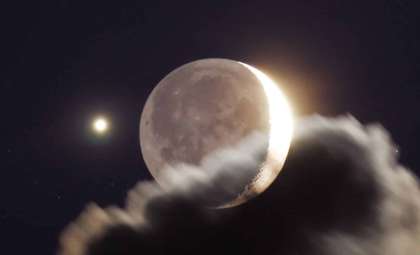
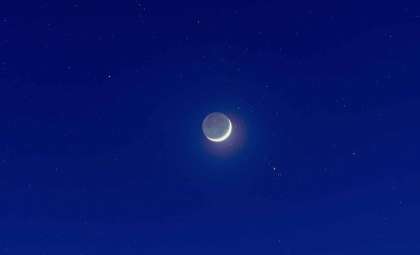
Following the grand spectacle on August 18, the days ahead also promise remarkable views. On Tuesday, August 19, the waning crescent moon will decrease to 16% illumination and shift closer to Jupiter and Venus. This night will provide a glimpse of “Earthshine,” where sunlight reflected from Earth’s surface subtly lights the moon’s darker areas, enhancing its mystical look.
The standout event after that is scheduled for Wednesday morning, August 20, when the delicate crescent moon, glowing at just 9%, will be positioned near the bright Venus. This rare pairing will offer a breathtaking display for early risers seeking a memorable celestial experience.
Next Chance to See a Similar Planet Parade
If you miss this unique procession, don’t worry—it will be several years before a similar event graces the dawn sky again. The next notable conjunction of five visible planets is expected in October 2028. Unlike this week’s event, the 2028 gathering will not include the moon, but promises an extraordinary planetary show nonetheless. Until then, the August 18 parade remains a spectacular occasion for stargazers everywhere.
- Categories:
- News


0 comments
Sign in to Comment