
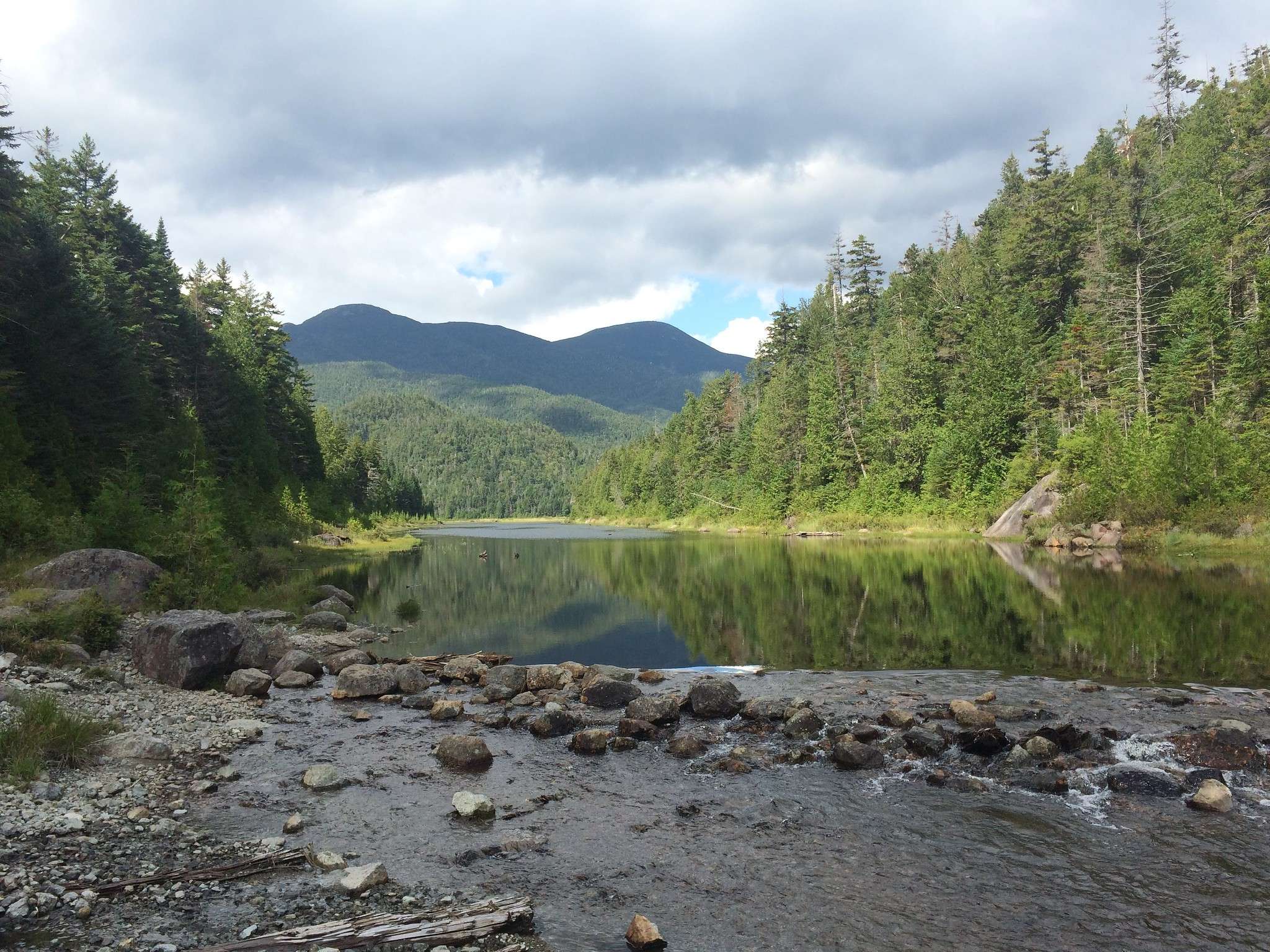
Lake Tear of the Clouds, nestled near the summit of Mount Marcy in New York’s Adirondack Mountains, appears pristine at an elevation exceeding 4,290 feet (1.31 km). Known as the highest origin point of the Hudson River, this small alpine pond, surrounded by fir trees and bare granite, has long been a magnet for hikers seeking untouched nature.
However, beneath its tranquil surface lies a surprising environmental issue. New scientific investigations have discovered significant microplastic contamination within its waters, originating from everyday synthetic products such as footwear and apparel. Despite its isolated location, Lake Tear stands among the most microplastically polluted natural lakes tested in the northeastern U.S.

This contamination’s origin isn’t linked to industrial activity or urban runoff. Instead, it stems from the very trekkers who visit these natural havens—hikers whose gear releases plastic particles into environments once believed to be untouched by modern pollution.

Unseen Traces Left Behind by Outdoor Enthusiasts
These insights were gathered during an extensive field study conducted by environmental data analyst Tim Keyes (Sacred Heart University / Evergreen Business Analytics) alongside trail expert Joe Dadey from Adirondack Hamlet to Huts. Over multiple seasons, samples were collected from two elevated lakes: the heavily trafficked Lake Tear of the Clouds and Moss Pond, a comparable but seldom-visited alpine lake with no established trails.
Analysis revealed microplastic concentrations at 16.54 particles per milliliter in Lake Tear compared to a mere 0.73 particles per milliliter in Moss Pond, reflecting over a 2,000% increase in the more frequented area.

The full report, verified through independent laboratory analysis and peer review, highlights a clear link between human activity and increased microplastic contamination. This pollution isn’t simply litter left along trails—it’s a subtle form of degradation that invisibly infiltrates ecosystems and endures for long periods.
“At first, we suspected that weather events carried plastics from distant sources,” Keyes explains. “However, contrasting the two lakes’ contamination levels made us reconsider.”
How Outdoor Equipment Deteriorates in Natural Settings
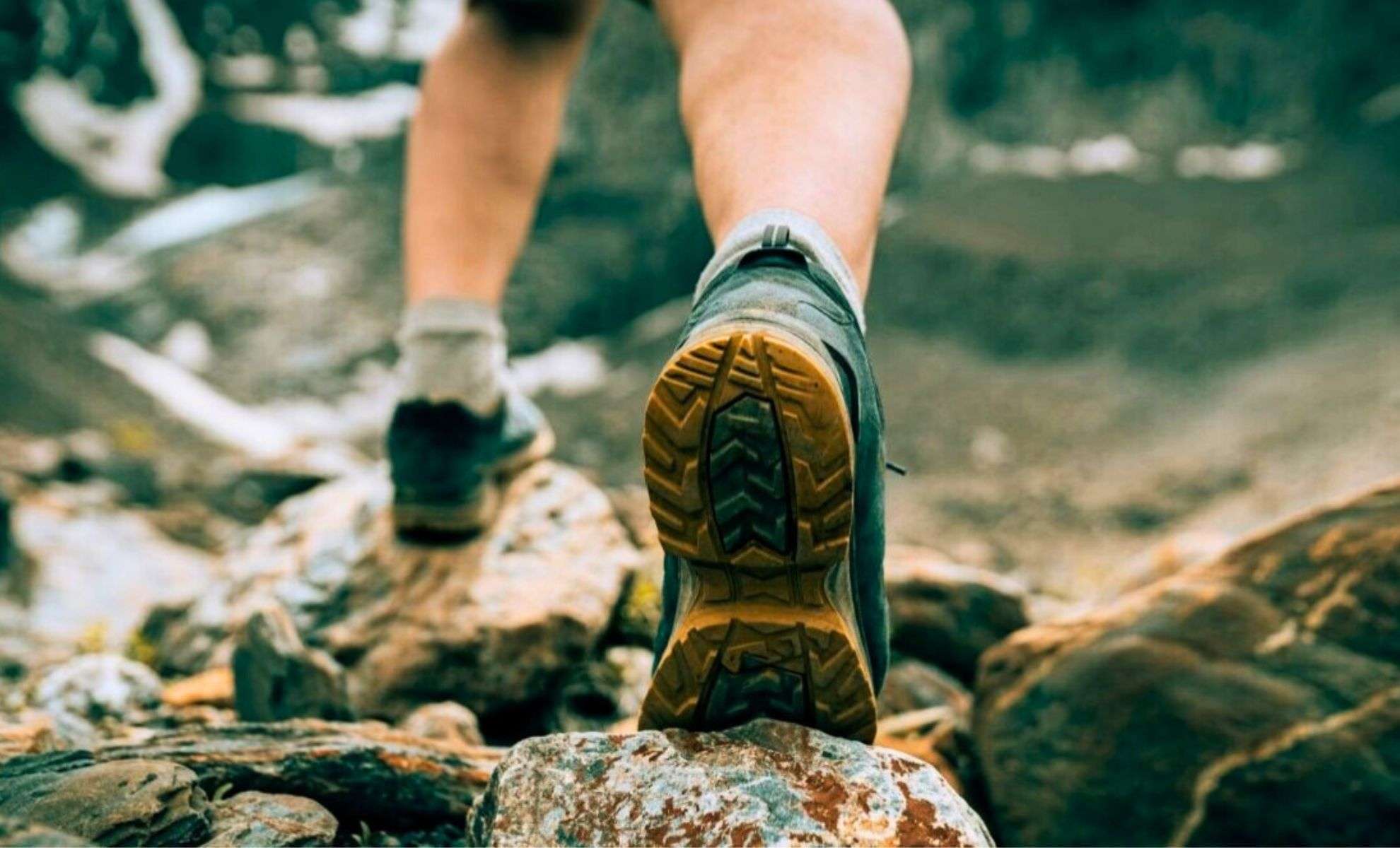
The investigation identifies soft-soled hiking shoes and synthetic clothing as major contributors. These widely used materials fragment during normal wear, releasing microscopic particles into soils, streams, and melting snow. Similar to tire particles shed on asphalt roads, these invisible residues accumulate even when gear appears spotless.
Global studies support these findings. The International Union for Conservation of Nature (IUCN) has estimated that about 35% of ocean-bound microplastics come from synthetic textiles, primarily through wear and laundering. While remote wilderness areas lack washing facilities, natural abrasion, sweat, and environmental exposure contribute to microfiber release, gradually polluting fragile aquatic habitats.
This research provides rare empirical evidence from wild freshwater systems—areas often only modeled for microplastic impact rather than directly studied.
Microplastic Pollution Extends Far Beyond Urban Areas
The assumption that isolation protects wilderness is no longer valid. Microplastics have been detected in atmospheric water droplets, Antarctic snowfields, and ice cores from the Arctic. The presence of these particles in an Adirondack mountain pond affirms that wherever humans venture, plastic pollution follows.
Previous water quality surveys, including the 2016 Riverkeeper study, documented pollutants traveling from Lake Tear down to the Hudson River’s mouth, suggesting deposition from the atmosphere. Yet, the stark contrast between Lake Tear and Moss Pond illustrated in this new study points to a more direct introduction of microplastics by human visitors rather than just atmospheric fallout.
Sami Romanick, a microplastic expert at the Environmental Working Group, reviewed the methods and outcomes, confirming that the study aligns with global trends observed in both marine and freshwater environments. She remarks, “The disparity between similar lakes under comparable conditions provides strong and convincing evidence.”
Steps Toward Reducing Environmental Footprints
The investigators do not suggest avoiding wilderness exploration but encourage thoughtful modifications to minimize impact. One practical recommendation is to opt for hiking boots with hard rubber soles, which release fewer synthetic particles than foam-based footwear. Additionally, wearing natural fiber layers such as wool or cotton over synthetic garments can reduce fabric degradation and fiber shedding.
Manufacturers are also urged to focus on developing materials less prone to releasing microplastics as outdoor recreation continues its rise. None of these measures demand major lifestyle changes, but rather heightened awareness that every excursion leaves an environmental print far beyond footprints on the trail.
Ultimately, the lake once described by naturalist Verplanck Colvin as a “minute, unpretending tear of the clouds” now silently reveals the complex legacy of human presence in wild places.
- Categories:
- News











0 comments
Sign in to Comment