
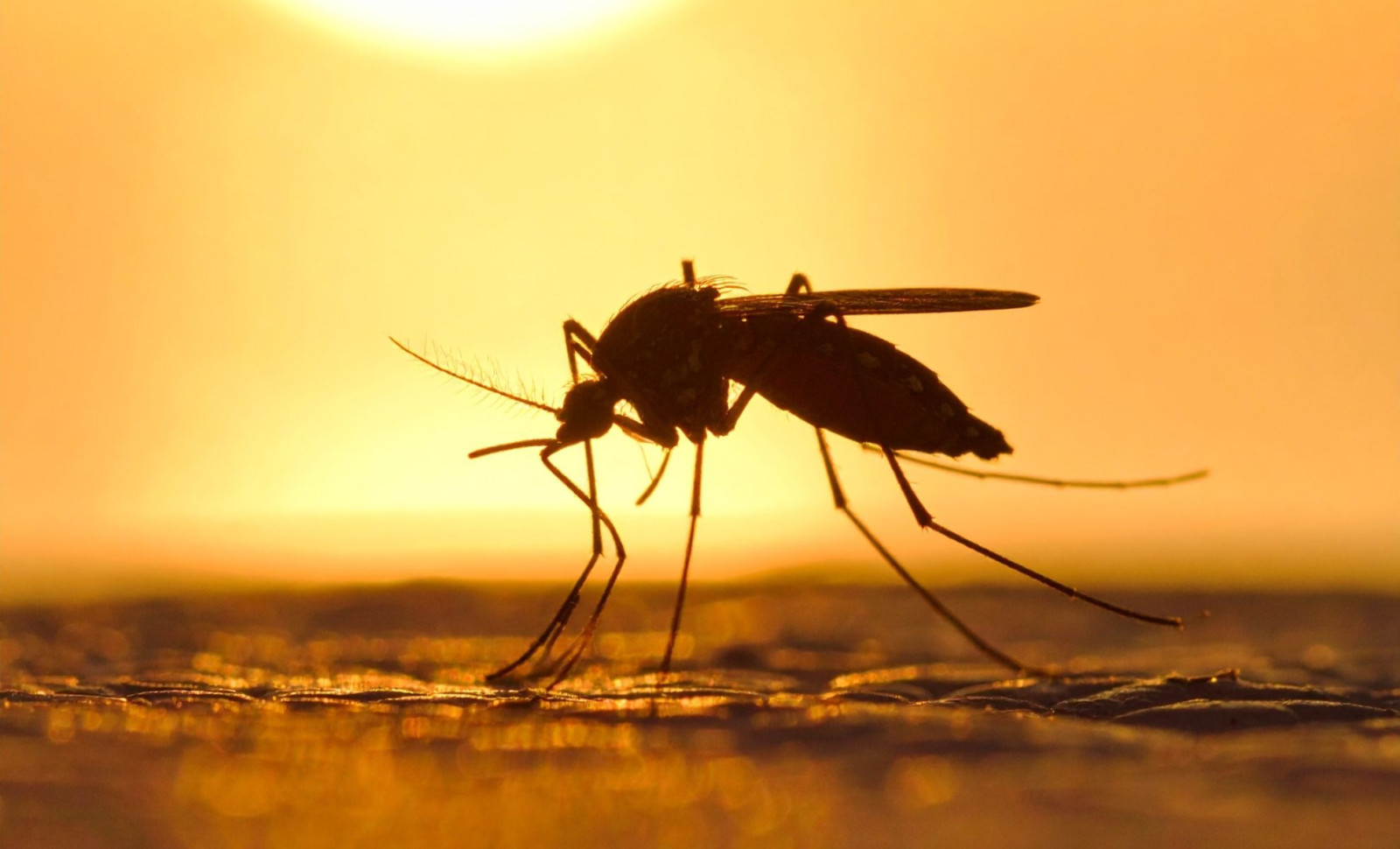
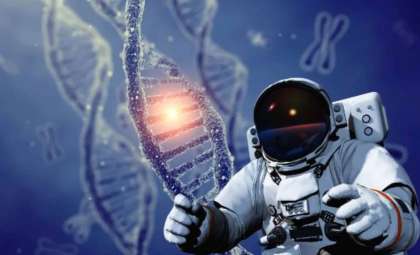
New genetic research published on February 26 in Scientific Reports suggests that mosquitoes began feeding on early humans between 2.9 and 1.6 million years ago. This discovery pushes back the timeline, indicating our interaction with these insects started far earlier than scientists had previously thought.
Researchers investigated the DNA of 38 contemporary mosquito specimens to pinpoint the evolutionary transition when certain rainforest mosquitoes expanded their diet from solely nonhuman primates to include early human ancestors.
The Evolutionary Shift to Human Hosts
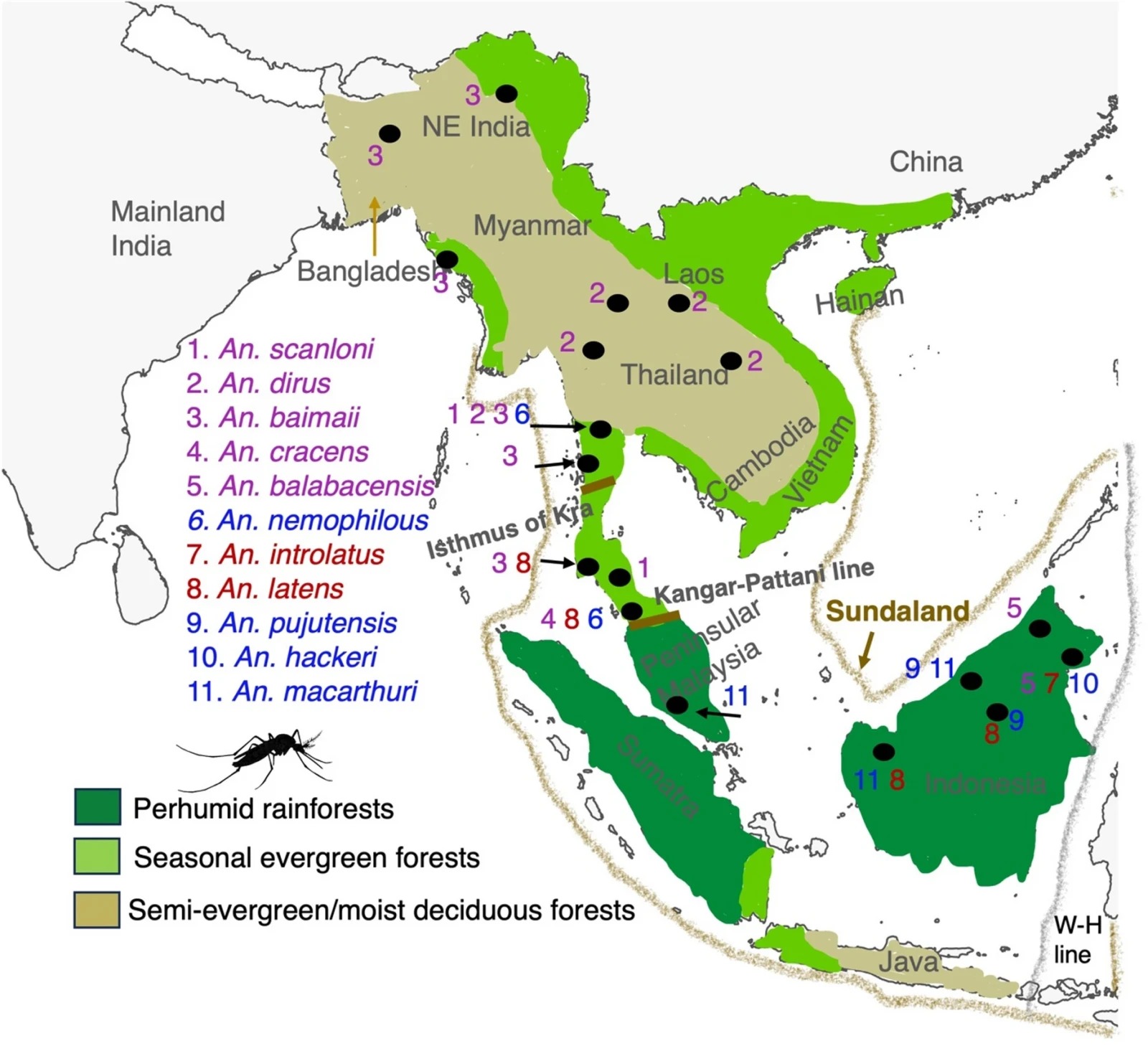
The study explains that the team focused on 11 species within the Anopheles leucosphyrus complex, selected due to their genetic diversity. Some species are classified as “anthropophilic,” showing a preference for human blood, while others feed exclusively on nonhuman primates or alternate between the two.

Notably, species such as Anopheles dirus and Anopheles baimaii, known carriers of malaria, belong to the human-biting group. Examining genetic mutations across their genomes, scientists rebuilt an evolutionary family tree to estimate when mosquitoes began favoring humans as hosts.
Where Blood Feeding Adaptation Emerged
The genetic evidence points to Sundaland, a once-exposed landmass now mostly underwater, whose territories include the Malay Peninsula, Borneo, Sumatra, and Java. This region likely witnessed the earliest shift in mosquito behavior toward humans.
The leucosphyrus mosquito group seems to be the first to evolve a human-biting preference, with other mosquito lineages developing this trait only in the last 10,000 years.
“We were not expecting this group to have originated so long ago,” said evolutionary biologist Catherine Walton of the University of Manchester in England. “The most parsimonious explanation is that it was in response to these early hominins arriving.”
Transitioning from Primate Hosts to Early Humans
Initially, these mosquitoes exclusively fed on nonhuman primates located high in rainforest canopies, a trait considered their “ancestral behavior.” Earlier studies estimate that the preference for biting nonhuman primates emerged over 3.6 million years ago.
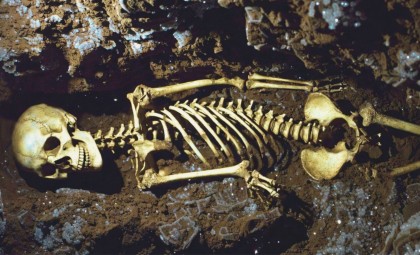
There is ongoing debate among archaeologists about when human ancestors first left Africa and entered Asia, but mosquito genetic data offers an independent perspective, suggesting a migration event occurred roughly 1.8 million years ago. This timing matches recent discoveries of the oldest Homo erectus fossils found in China.
Walton highlighted that for mosquitoes to evolve a strong preference for humans, H. erectus populations would need to have been abundant in Southeast Asia, likely due to the unique scent of early humans that made them attractive hosts.
“You need an abundance of Homo erectus to really get an evolutionary change taking place,” Walton said.
Currently, only about 100 out of the estimated 3,600 mosquito species worldwide tend to bite humans regularly. Still, this ancient evolutionary shift to feeding on human ancestors has significantly influenced both mosquito and human histories.
- Categories:
- Science







0 comments
Sign in to Comment