
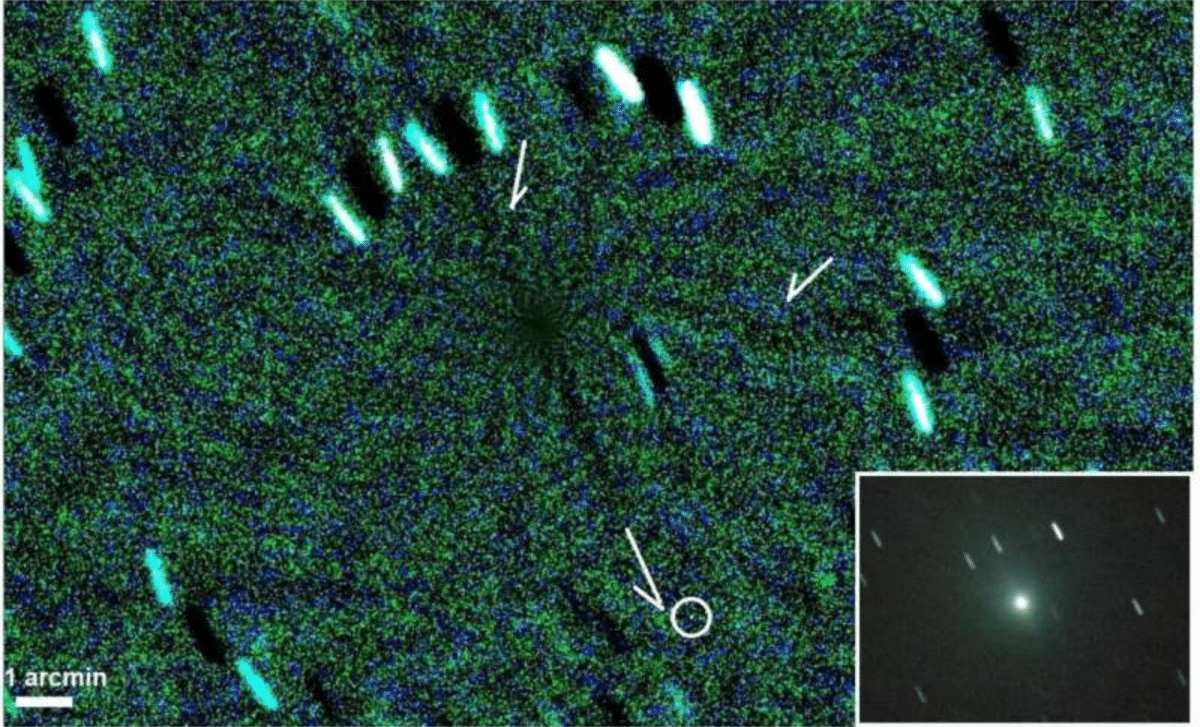
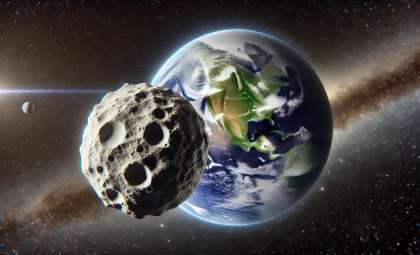
Recent research uploaded to the arXiv proposes that an interstellar object once classified simply as a comet might actually be adorned with cryovolcanoes—volcano-like features that erupt icy substances. This surprising finding may change our fundamental understanding of cometary behavior in space.
Unveiling Cryovolcanoes on Space Wanderers
The investigation, available on the arXiv, presents groundbreaking insights regarding the nature of interstellar visitors passing through our solar system. Historically, comets have been characterized as frozen objects that release gas and dust when warmed by the Sun, manifesting the iconic tails witnessed by astronomers. Nevertheless, analysis of the second recognized interstellar comet paints a more intricate picture. Scientists now suspect that this body not only expels the usual icy compounds but may also display eruptive activity reminiscent of volcanoes — specifically, cryovolcanic eruptions.
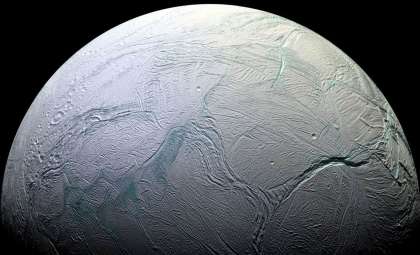
In contrast to typical volcanoes ejecting molten rock, cryovolcanoes forcefully release volatile substances like water, ammonia, or methane in frozen form. These bursts are sparked by internal heat melting the surface ices, causing explosive emissions. The identification of such icy volcanic activity might deeply influence how we interpret the mechanisms at work in these ancient ice-rich travelers, especially when heated by stars like our Sun.

Implications for Our Understanding of Comets
The idea of cryovolcanoes raises profound questions about the composition and inner workings of comets. They were once considered relatively simple, with a mostly homogenous icy exterior and uniform interiors. However, these icy volcanic forms imply that some comets possess far more complex internal dynamics—possibly harboring liquid or semi-molten layers beneath their frozen crusts that build up pressure capable of triggering eruptions.
This discovery also offers a fresh perspective on comet activity throughout space. The emission of volatile materials indicates these bodies respond actively to environmental shifts, which challenges prior assumptions. The research suggests that such volatile bursts might be induced by stellar proximity, but also hints that comets originating from various cosmic regions, including interstellar space, could exhibit unique, previously unanticipated behaviors.
Impacts on Future Space Missions
As scientists delve deeper into the nature of interstellar comets and their cryovolcanic phenomena, the results could steer the future of space exploration. Insights into these dynamic icy worlds could revolutionize our mission strategies to comets, asteroids, and other frozen objects in the solar system and beyond. It may prompt the development of specialized instruments tailored to detect not only surface conditions but also signs of internal heating and cryovolcanic eruptions.
In particular, upcoming spacecraft aimed at exploring these bodies might incorporate advanced sensor suites designed to analyze internal activity, which could unlock new understanding of their evolution and composition.
- Categories:
- News




0 comments
Sign in to Comment