
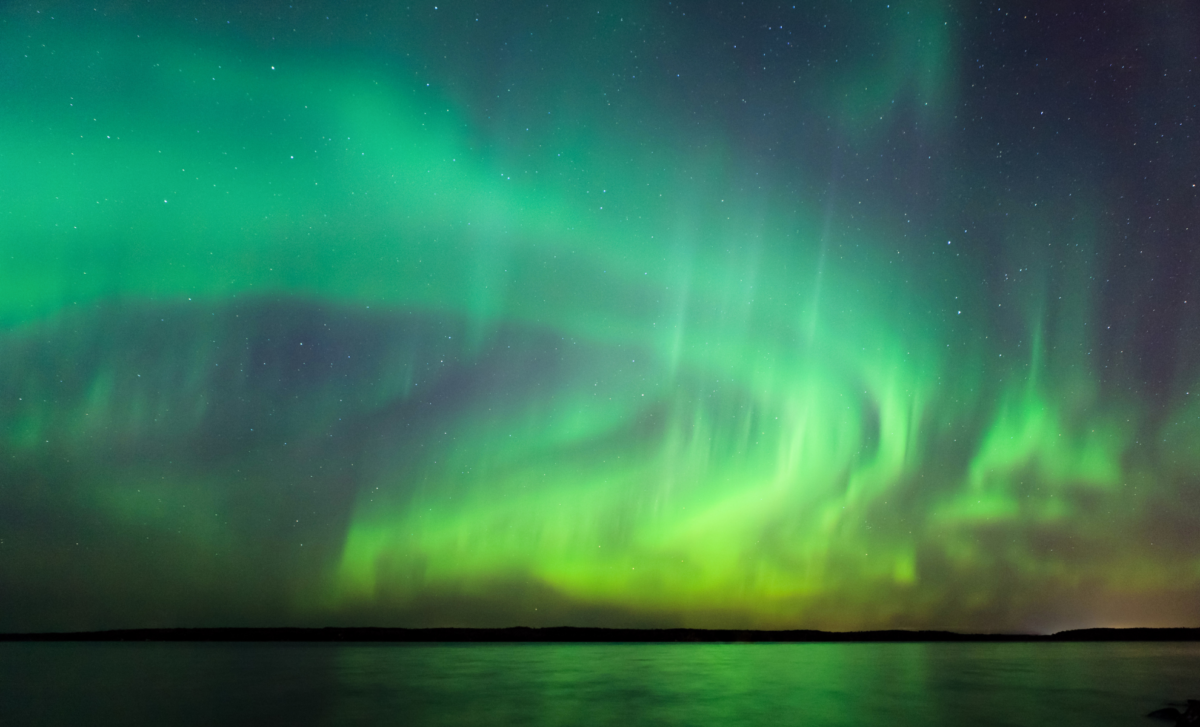
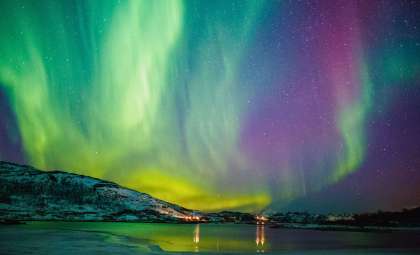
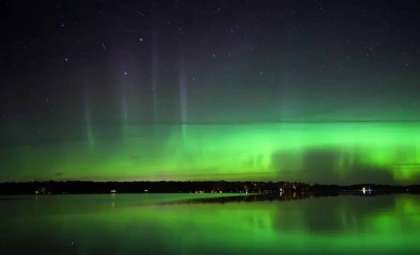
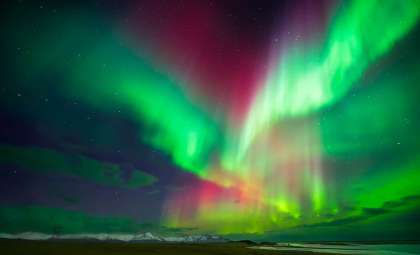
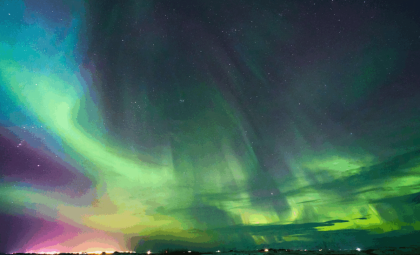
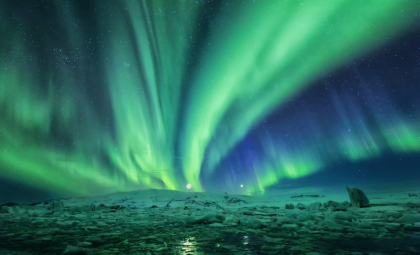
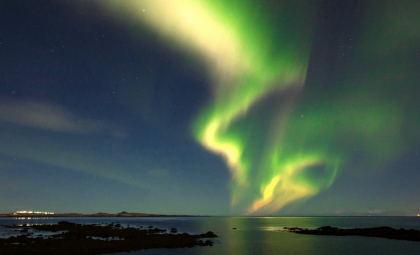
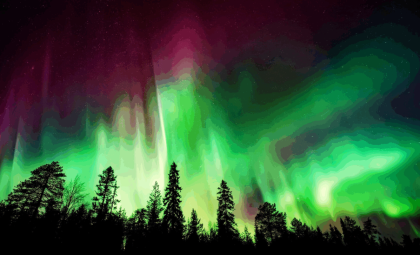
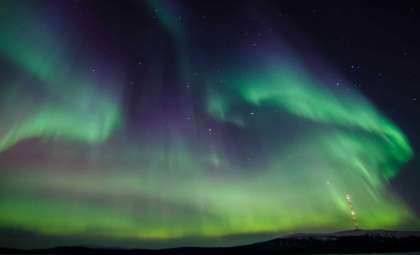
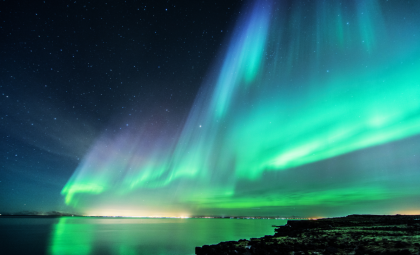
An upcoming surge in solar activity is predicted to brighten the night skies for many across the United States, offering a fresh chance to observe the Northern Lights. The NOAA forecasts a G1 geomagnetic storm to occur from Friday night into Saturday, followed by a potential intensification of auroral activity due to a coronal mass ejection (CME) expected between Sunday and Monday. This combination could create some of the most vivid and widespread auroras of the month.
What’s Boosting Aurora Visibility This Weekend
The first event kicking off this weekend is a minor geomagnetic disturbance beginning late Friday and lasting into Saturday. Though it rates a G1 storm—the gentlest on the geomagnetic scale—it can still provoke visible lights in the northern U.S. states under optimal conditions. Later, a coronal mass ejection dispatched by the Sun will approach Earth, carrying charged plasma that interacts with our planet’s magnetic shield. This interaction typically heightens geomagnetic activity, increasing the likelihood of more striking auroral displays.
Predicting space weather remains complex because slight variations in the CME’s velocity, magnetic alignment, or arrival time can drastically impact the aurora’s brightness and extent. Consequently, forecasts may be updated as solar observations continue throughout the weekend. This uncertainty adds thrill for stargazers, as intense interactions can occasionally bring auroras farther south than initially expected.

NOAA Highlights Northern States Poised for Optimal Viewing
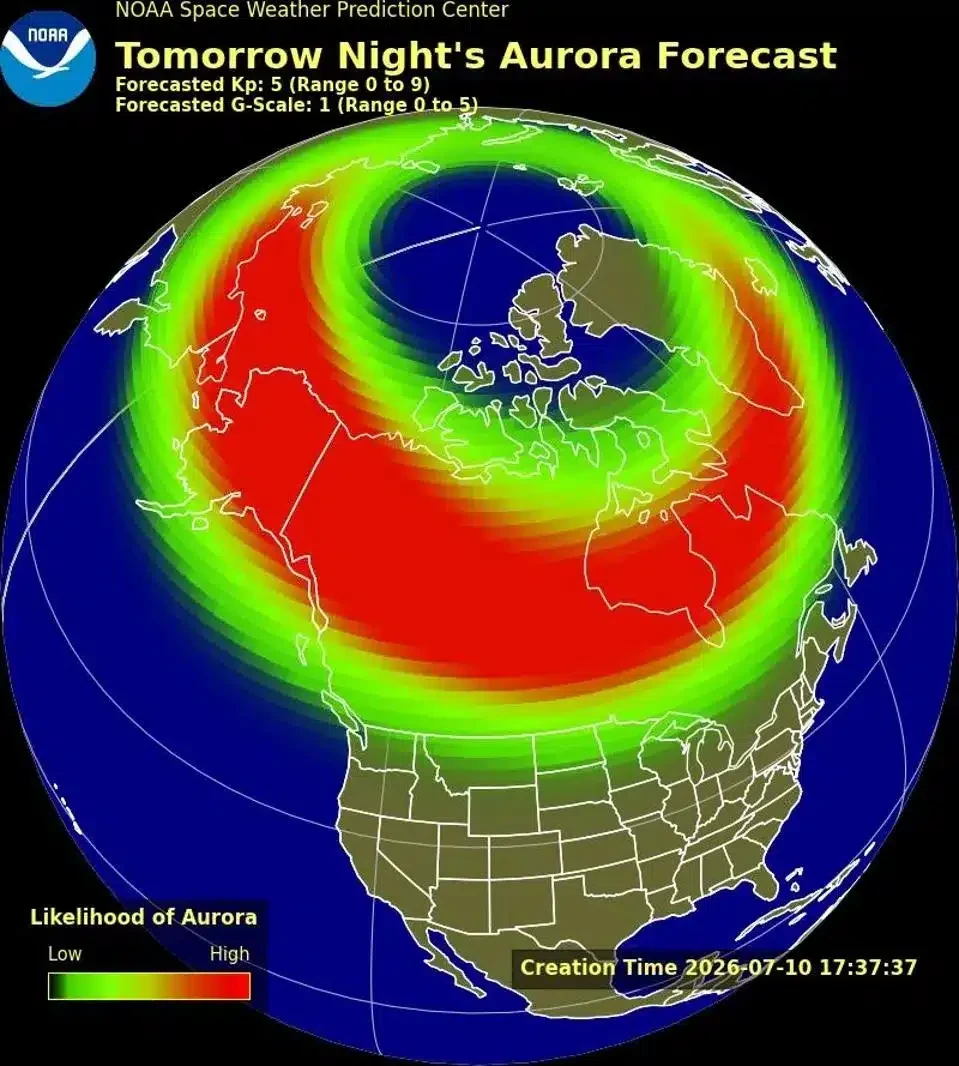
According to the Space Weather Prediction Center (SWPC) at NOAA, states such as Washington, Idaho, Montana, North Dakota, South Dakota, Minnesota, Wisconsin, and Michigan have the best odds of witnessing auroras during the early phase of this event. As the CME approaches later in the weekend, increased geomagnetic activity may expand viewing prospects to more regions if solar conditions prove favorable.
NOAA keeps aurora forecasts current by integrating new satellite data and solar wind readings, aiding both amateurs and professionals in tracking evolving conditions. Their forecasts, geomagnetic indices, and alerts are invaluable for anyone aiming to catch the spectacle, especially since aurora visibility can change rapidly depending on how solar particles influence Earth’s magnetic environment.
Optimal Viewing Times and Tips for Catching the Lights
Timing is crucial for successful aurora watching. Experts suggest observing between 10:00 p.m. and 2:00 a.m. local time when geomagnetic activity and darkness maximize aurora visibility. Selecting spots away from urban lighting is critical, as light pollution can overpower faint auroral hues.
Facing towards the northern horizon offers the best perspective, and giving your eyes about twenty minutes to adapt to the dark can reveal subtle details. While the human eye might miss faint colors, smartphone cameras often capture green or purple glows during these events, making photography a helpful aid. Ultimately, clear skies will be decisive in determining the quality of sighting opportunities.
Moon Phase May Enhance Aurora Viewing Experience
The lunar cycle may further benefit the spectacle. With the New Moon scheduled for July 14, minimal moonlight will reduce sky brightness over the weekend. Darker conditions make faint auroras easier to see and intensify their colors for observers.
This fortunate timing, coinciding with increased solar activity, is ideal for photographers aiming for crisp night sky shots. Paired with a potentially stronger geomagnetic response from the incoming CME, the low lunar illumination could significantly improve the viewing experience. Though no forecast guarantees aurora visibility, the perfect blend of solar events, seasonal timing, and dark skies makes this weekend a standout chance to witness one of nature’s most captivating light shows across the northern United States.
- Categories:
- News


0 comments
Sign in to Comment