
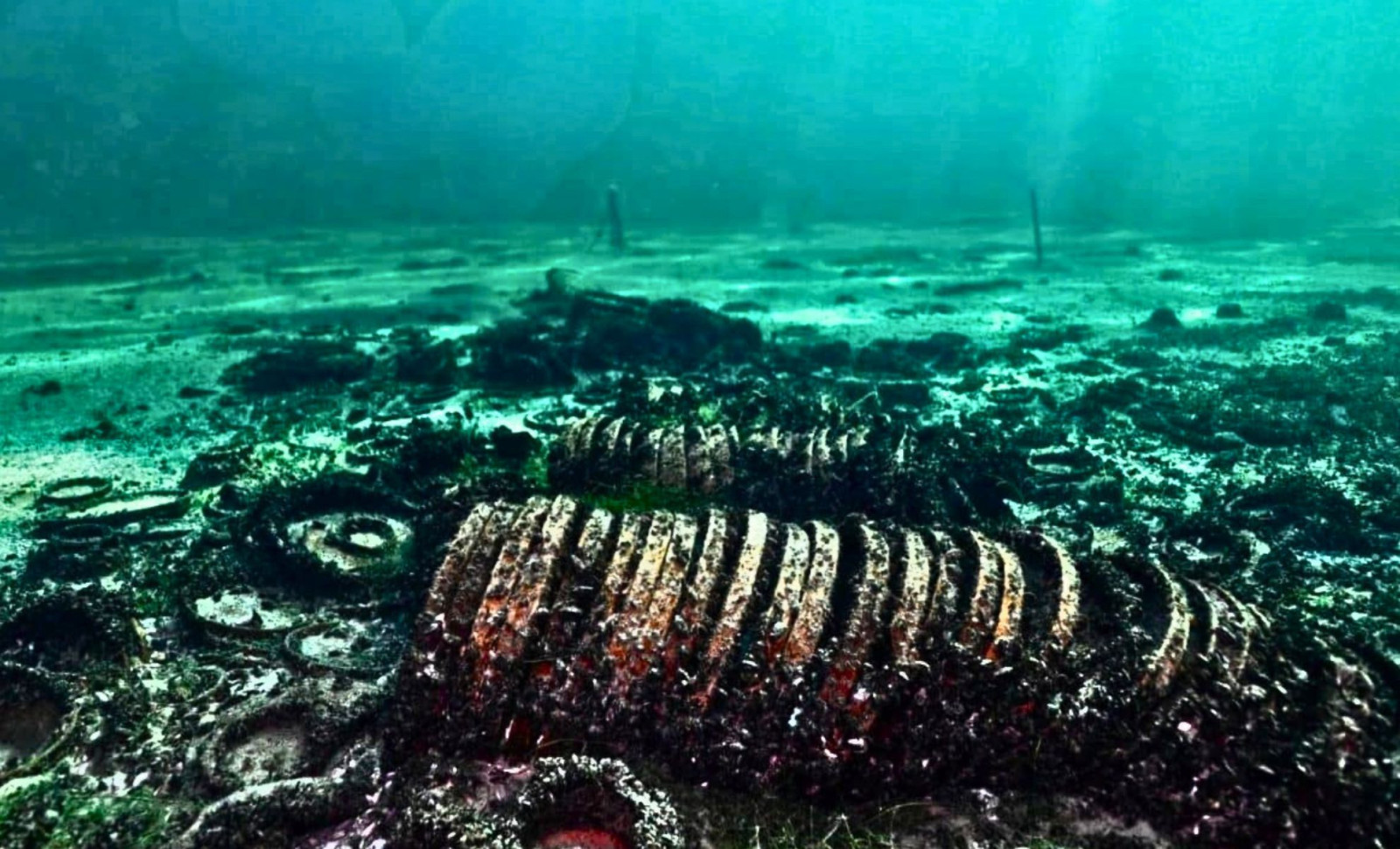
In Lake Neuchâtel, divers have uncovered an extensive collection of artifacts from a Roman cargo shipwreck that sank nearly 2,000 years ago and remained undisturbed. Dated between 20 and 50 AD, the site was initially identified via aerial surveys of the lakebed in late 2024, with a detailed underwater excavation in early 2025 confirming the substantial and well-preserved nature of the find.
Experts from the canton of Neuchâtel have described the discovery as unparalleled in Switzerland and throughout inland waters north of the Alps. Its significance lies not only in the exceptional preservation but also in the diverse and well-organized collection of items, which offer a rare glimpse into the original storage arrangement aboard the sunken vessel.
In-Depth Study of the Preserved Roman Shipment
The excavation project is a collaboration between the Office of Cantonal Archaeology (OARC), the Octopus Foundation, and the Archaeological Service of the State of Fribourg. Their work seamlessly balances urgent retrieval with research aims, as delicate materials exposed to aquatic currents, boat traffic, or unauthorized divers risk rapid deterioration once disturbed.

To maintain contextual integrity, vulnerable artifacts were extracted only after thorough in situ documentation, recording each piece’s exact position on the lake floor. This allowed researchers to preserve critical information about how cargo was traditionally stored and arranged, beyond simply cataloging individual objects.
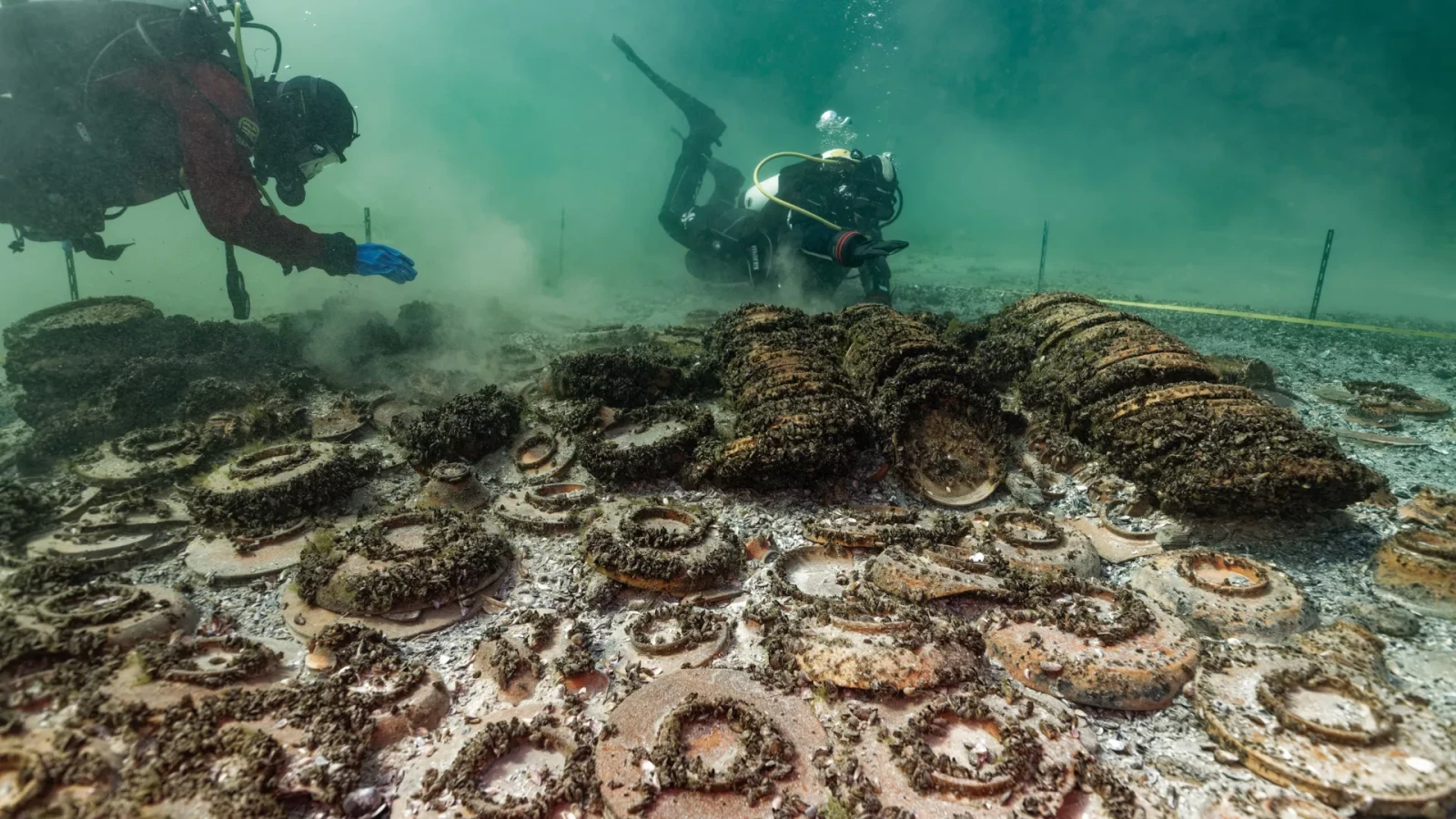
The majority of the cargo consists of hundreds of ceramics, remarkably preserved after millennia submerged. This includes common household items such as plates, cups, bowls, and dishes crafted across the Swiss Plateau. Their quantity and condition contribute to the find’s outstanding nature, as noted by authorities.
Along with these are amphorae that once contained olive oil imported from Spain, highlighting a far-reaching trade network beyond local boundaries. The assemblage also includes tools and daily-use implements associated with the ship’s crew, offering insight into onboard life at the time.
Discovery of Wagon Components Highlights Combined Transport Mode
Among the remarkable artifacts are parts of harnesses and wagon fragments, including wheels identified as the sole surviving Roman examples in Switzerland. Their presence in a submerged boatwreck is striking since they belong to land transport equipment, revealing a connection between terrestrial and aquatic travel.
This suggests the goods did not travel exclusively by boat but were transferred between water and land transport during their journey, providing evidence of a multimodal logistics system rather than a simple lake-only route.
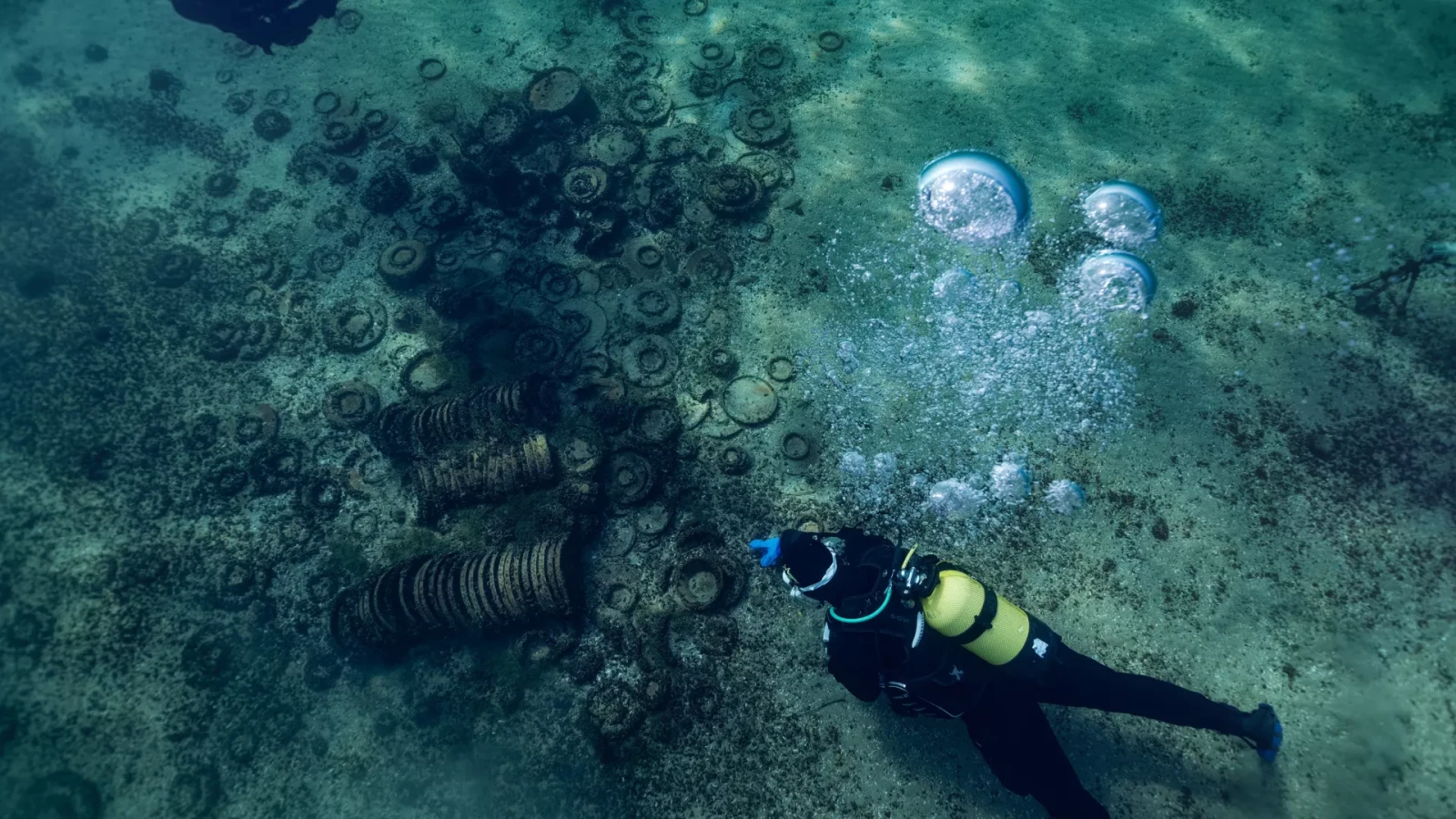
Researchers link this pattern to settlements like ancient Eburodunum, now Yverdon-les-Bains, near the lake historically called Lacus Eburodunensis. The shipwreck likely corresponds to one stop along a broader network connecting communities via roads and waterways.
This integrated system using boats and carts underscores that the wreck is representative of a regional transport infrastructure active during early Roman times, where the lake served as a critical segment in a much longer supply chain.
Roman Swords Point to Possible Armed Escort on Merchant Vessel
The unexpected recovery of several glaives, a Roman blade type, among commercial cargo has influenced interpretations of the shipwreck. Weapons are unusual in a shipment otherwise containing tableware and olive oil amphorae typical of everyday trade.
The inclusion of arms suggests the merchant boat may have been accompanied by armed guards for protection, rather than being solely an unprotected trading vessel. Authorities emphasize this as a preliminary theory based on the artifact combination, rather than confirmation of a military mission for the ship.
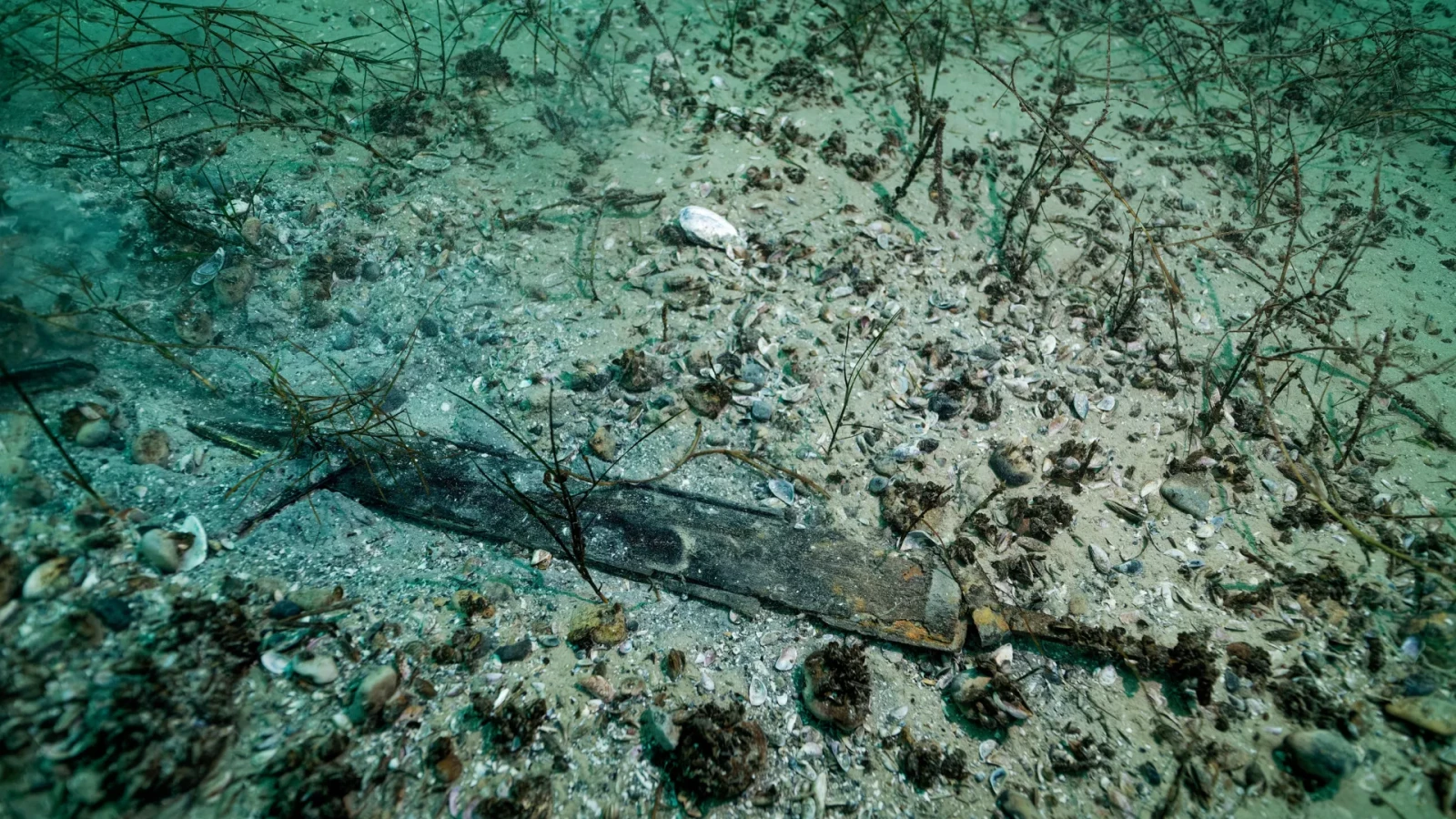
This insight does not turn the vessel into a warship but indicates the perceived value or risk linked to lake commerce at that time. Armored escort hints at the significance placed on safeguarding both goods and routes during the early Roman era.
Urgent Measures Taken to Safeguard the Site
The cargo remains vulnerable to natural lakebed erosion, boat anchors, and potential illegal salvage, prompting authorities in Neuchâtel to expedite recovery efforts rather than follow a typical, slower archaeological timetable.
This urgency led to a strategy of carefully mapping and selectively retrieving the most fragile components quickly to prevent loss or damage, rather than leaving the entire site exposed to ongoing disturbance.
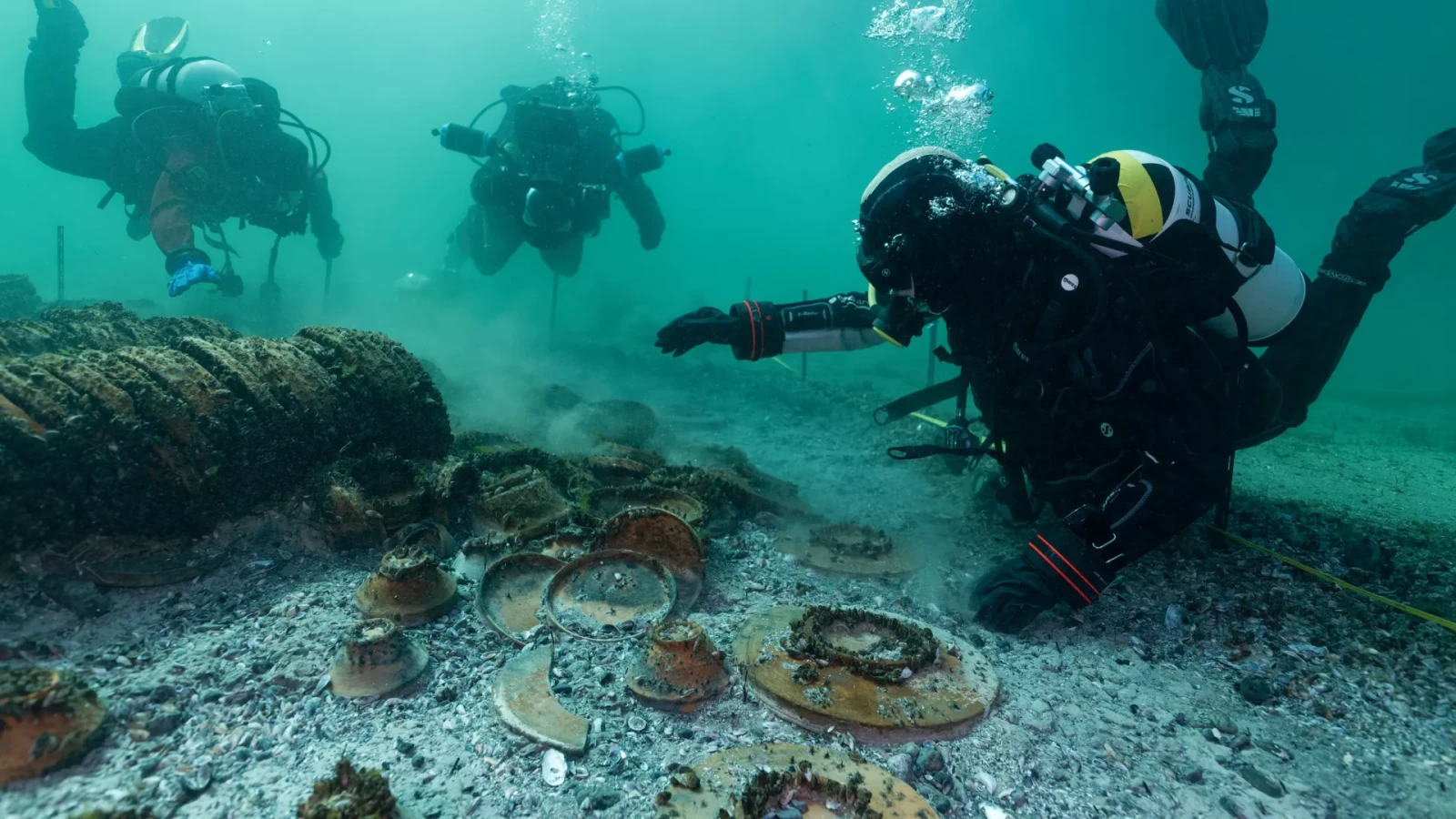
Since the artifacts were salvaged with their layout preserved, the cargo is expected to provide valuable data on Roman-era trade routes, ceramic production, and regional marketing and distribution networks. The context alongside the objects is crucial for comprehensive analysis.
Every find will undergo conservation and restoration to ensure long-term preservation and accessibility. Once stabilized, these treasures will be exhibited at Laténium, Neuchâtel’s renowned archaeological park and museum.
- Categories:
- Science





0 comments
Sign in to Comment