
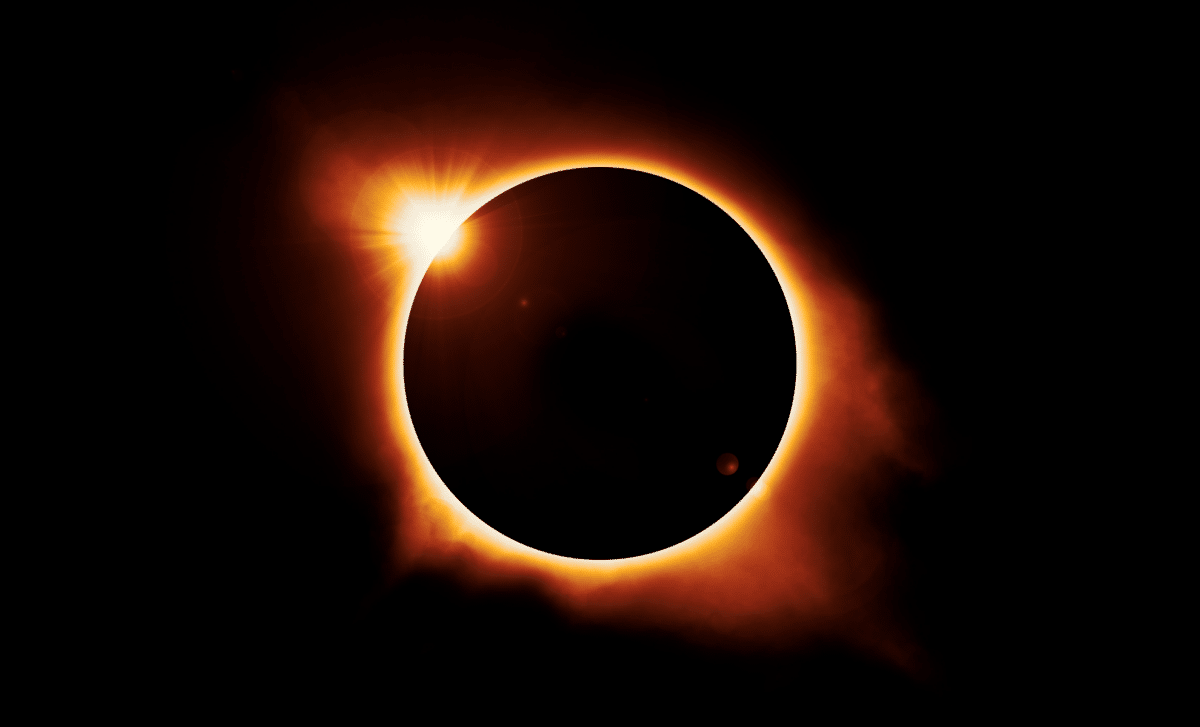
In exactly one month, a spectacular astronomical event will captivate millions as a total solar eclipse sweeps across regions of Greenland, Iceland, and Spain on August 12, 2026. This rare occurrence is drawing a wide audience including eclipse enthusiasts, researchers, and photographers eager to observe the Moon fully obscuring the Sun. As excitement builds, travelers are finalizing plans and astronomers are releasing detailed viewing instructions for what will be Europe’s first total solar eclipse since 1999. Because only a slim path will experience complete darkness, locations offering prime viewing spots are in high demand, making this one of the decade’s most extraordinary celestial events.
What Makes This Eclipse So Special?
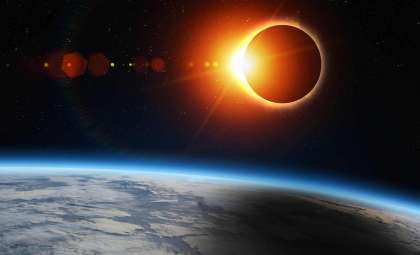
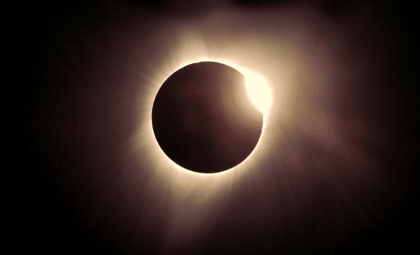
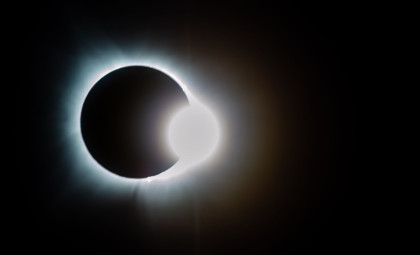
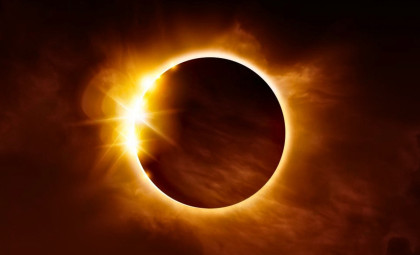
Total solar eclipses rank among the rarest events visible from our planet. During the brief totality phase, the Moon perfectly covers the Sun, turning daylight to dusk and unveiling the Sun’s outer atmosphere, known as the corona. This luminous halo is normally hidden by the Sun’s brightness and only appears when the Sun is fully blocked.
The 2026 eclipse is particularly noteworthy as it gives Europeans their first chance in nearly 30 years to witness this phenomenon on their home continent. Many skywatchers will experience the surreal effect of daytime darkness for the first time. Scientists also prize eclipses for the opportunity to study the solar corona, magnetic activity, and atmospheric variations occurring during totality. While solar eclipses happen somewhere on Earth about every 18 months, any single location might wait centuries for the next total eclipse, elevating the event’s significance for those in the path.

Prime Viewing Spots in Greenland, Iceland, and Spain
According to Space.com, the totality corridor initiates over Greenland, sweeps across Iceland, and concludes over northern Spain, forming a narrow band where the Sun will be completely obscured by the Moon. Locations outside this path will only witness partial obscuration, lacking the full eclipse spectacle.
Certain areas are especially favored for observing. Snæfellsjökull National Park in Iceland stands out, with over two minutes of total darkness expected. In Spain, cities such as Gijón, A Coruña, Palencia, and Burgos are getting ready for a surge of visitors, though observers will need an unobstructed view to the west since the Sun will be low on the horizon during totality. Additionally, Mallorca will witness the eclipse with the Sun just above the horizon, offering remarkable photo opportunities but posing challenges for observers.
Weather plays a critical role in the viewing experience. Spain’s generally clear skies in August make it a popular choice, offering a better chance for unobstructed views compared to other eclipse path locations.
Extensive Partial Eclipse Visible Across Much of Europe
Counties beyond the totality track will still enjoy a striking partial eclipse. Vast areas of Europe will see significant solar coverage, with some cities experiencing more than 90 percent obscuration. Cities like London, Paris, Dublin, Lisbon, and Madrid are set to observe impressive eclipse phases, with Madrid nearing total obscuration despite being just outside the full coverage zone.
Farther north, places including Berlin, Oslo, and Nuuk will also witness substantial solar coverage. In contrast, eastern North America will experience a modest partial eclipse; for instance, New York City will see roughly 9 percent of the Sun covered, underscoring how eclipses vary greatly by location. These contrasting experiences highlight the key role of geographic position in eclipse visibility.
Safety Precautions and Travel Tips for Eclipse Observers
Astronomers continually emphasize the importance of eye safety during eclipse viewing. Proper solar viewers that meet international safety standards are vital whenever any part of the Sun remains visible. Direct viewing without protection is only safe during the fleeting totality phase and only for those within the path of totality.
With demand surging, securing accommodations near top viewing sites is increasingly difficult. Transport systems in Spain and Iceland expect heavy usage by visitors. Seasoned eclipse watchers advise arriving early to allow for weather-related changes in plans. Photographers are also gearing up with specialized gear to capture the solar corona, solar prominences, and the dramatic light changes that come with totality.
- Categories:
- News

0 comments
Sign in to Comment