
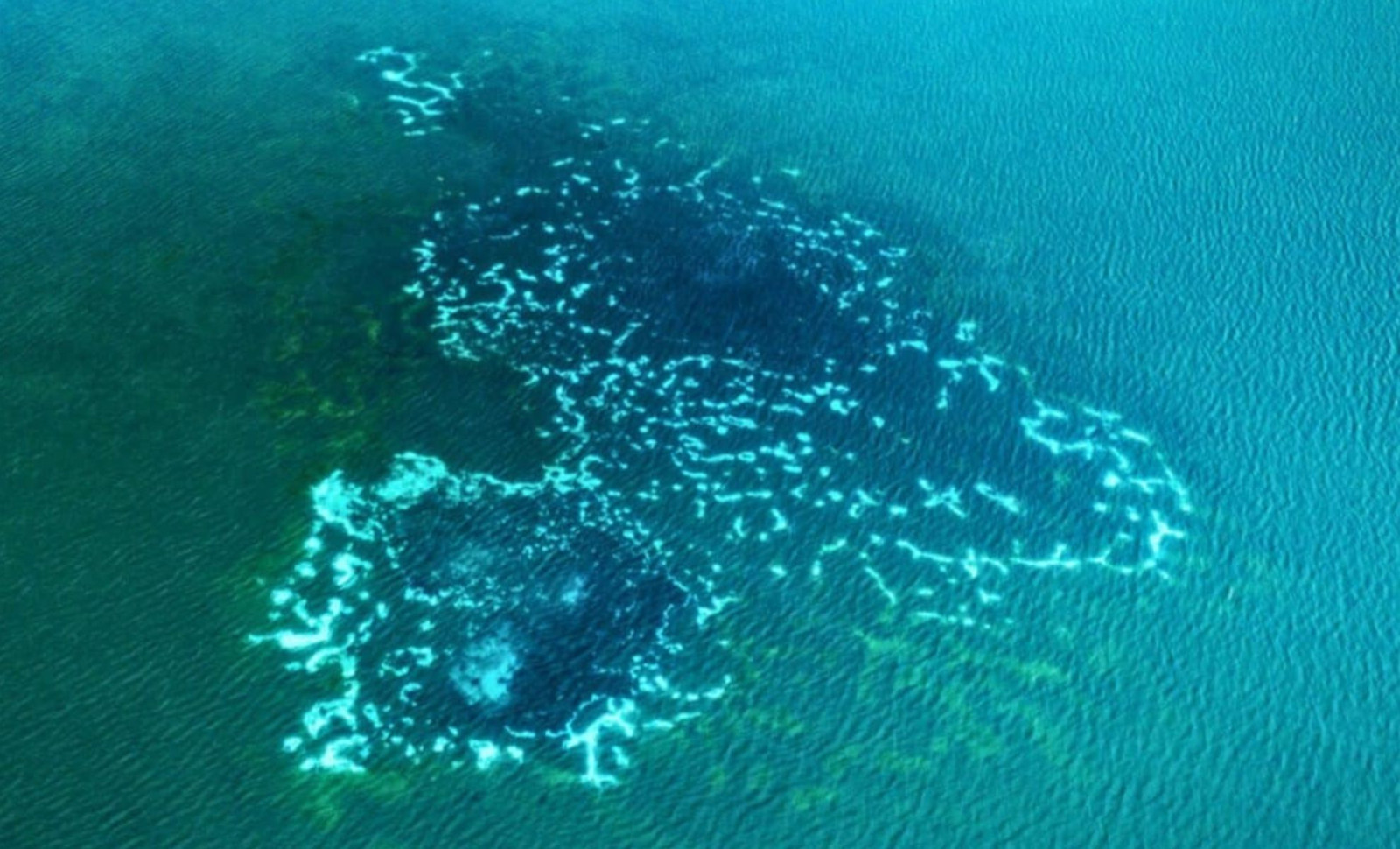
For years, scientists encountered puzzling data showing that oxygen-rich surface ocean waters released methane, a potent greenhouse gas, into the atmosphere. Traditionally, methane production was believed to occur only in oxygen-free environments such as wetlands or deep-sea sediments, making these findings a baffling anomaly.
Now, a new investigation published in the Proceedings of the National Academy of Sciences by researchers from the University of Rochester provides clarity. The study highlights the critical role of a single nutrient, a microbial metabolic switch, and how warming oceans are fostering conditions that activate methane release.
Phosphate Scarcity Triggers Methane Production in Ocean Bacteria
Led by Thomas Weber, associate professor of Earth and Environmental Sciences, alongside graduate student Shengyu Wang and postdoc Hairong Xu, the team analyzed global oceanic data and utilized simulations to uncover the root cause behind surface methane emissions.

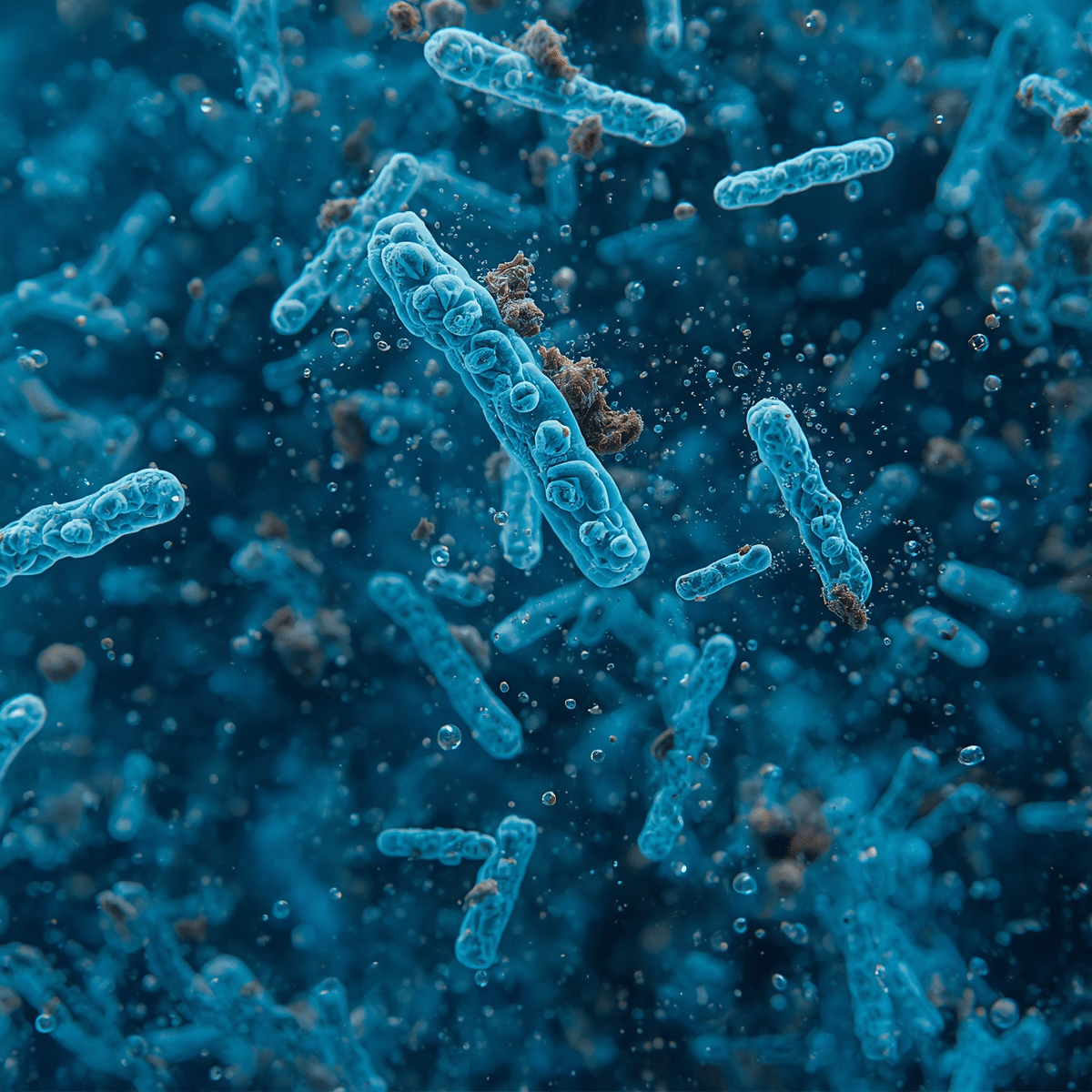
They discovered that methane emerges as a metabolic byproduct when specific marine bacteria experience phosphate deficiency. When phosphate, a key nutrient, falls below a crucial threshold, these microbes switch their metabolic pathways to generate methane. Conversely, in phosphate-rich waters, these bacteria follow different biochemical routes, producing no methane.

Expansive regions of nutrient-poor open ocean, particularly subtropical gyres, have continuously exhibited this microbial methane release. “Phosphate limitation is the main factor controlling oceanic methane production and emissions,” explained Weber.
This insight shifts the understanding of marine methane from a rare localized event to a widespread occurrence wherever phosphate depletion persists in oxygenated surface waters.
Ocean Warming Erodes Nutrient Transport From the Depths
The identification of phosphate availability as a vital factor also clarifies how rising global temperatures exacerbate the issue. Surface phosphate primarily originates from the deep ocean through vertical mixing, where nutrient-packed cold water ascends and replenishes surface layers, suppressing methane production.
However, climate-induced warming hampers this mechanism. As greenhouse gases heat the atmosphere, the ocean absorbs much of this energy, leading to warmer surface waters that become lighter and less prone to mixing with the nutrient-rich depths. This phenomenon, called ocean stratification, effectively forms a thermal barrier that slows nutrient transport.
“Warming increases the density contrast between surface and deep waters, weakening vertical mixing that supplies nutrients like phosphate,” Weber noted. Their models suggest this will intensify phosphate depletion at the surface, expanding conditions favorable to methane-producing bacteria.
A Climate Feedback Loop Ignored by Current Models
This cycle presents a self-amplifying feedback: warming enhances stratification; stratification restricts phosphate supply; phosphate scarcity activates microbial methane emissions; methane, being a potent greenhouse gas, further warms the atmosphere, reinforcing stratification. Each stage intensifies the next.
Significantly, most leading climate models currently omit this biological and physical feedback. The University of Rochester’s work provides crucial evidence to integrate this pathway into predictive climate systems.
While the study does not provide specific methane emission quantities under varied warming scenarios, it lays the groundwork essential for accurate future assessments. “This research addresses a vital missing link in climate forecasts, emphasizing the interplay between environmental shifts and natural greenhouse gas sources,” Weber said.
- Categories:
- Science









0 comments
Sign in to Comment