

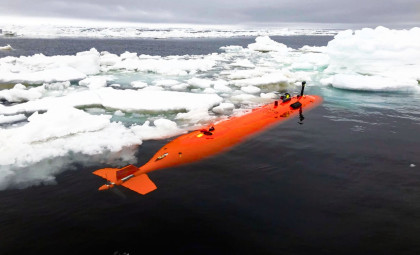
An autonomous underwater explorer named LASSIE conducted nonstop surveillance for 48 hours on the seabed beneath Antarctica’s Filchner Ice Shelf, verifying the presence of a massive fish nesting colony estimated at 60 million active nests in the Weddell Sea. This survey was led by the Alfred Wegener Institute (AWI), which deployed the new vehicle (the name stands for Low-Altitude Survey System for Icefish) to revisit one of Earth's largest known fish breeding habitats.
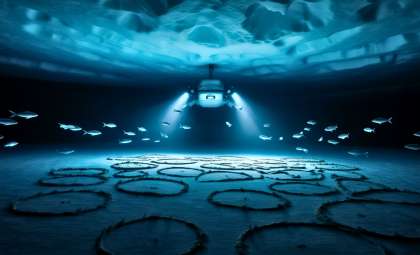
The initial mapping of this colony was completed in 2022, revealing nests spanning 240 square kilometers of ocean floor. Recent data from the Antarctic spring season show that nest density has remained stable, maintaining an average of one nest per four square meters within the surveyed zones. The AWI researchers documented their findings following a continuous 48-hour observation cycle.
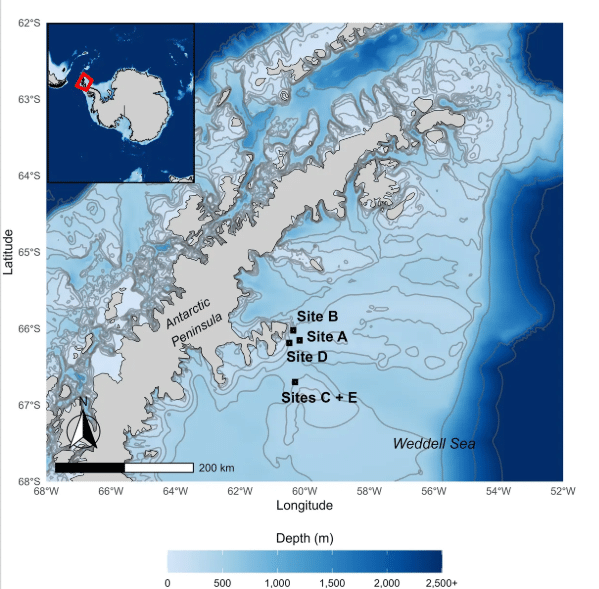
This consistency is crucial as it confirms the colony remains abundant and has not relocated since its discovery. The survey also recorded seabed temperatures approximately 2°C higher than adjacent bottom waters, a significant difference under Antarctic conditions. This warmth, caused by the upwelling of deep ocean water, creates the precise thermal environment needed for successful fish egg development.

Verifying the Colony’s Immense Size
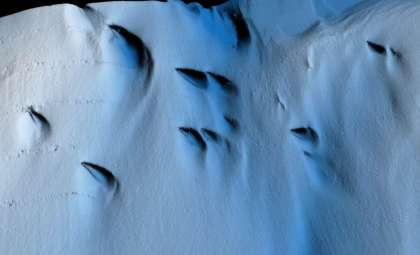
LASSIE surpassed previous visual range constraints using a high-resolution camera capable of capturing 20 frames per second. The imagery revealed individual nests about 75 centimeters in diameter, each containing roughly 1,700 eggs.
Male fish actively guarded close to 85% of the nests located in the Filchner Trough region. Such strong parental care is unusual among fish and indicates significant predation threats to the eggs in this area.
Maintaining a stable altitude of 1.5 meters over uneven terrain using sophisticated buoyancy controls, LASSIE used side-scan sonar and laser-line scanning to produce 3D maps of the nesting habitat.
These maps allowed scientists to determine that nests are spaced on average just 22 centimeters apart, demonstrating an extraordinary density over a vast seabed area.
Based on preliminary deployments, the total biomass of the colony is estimated at around 60,000 tonnes, highlighting the substantial living biomass supported by this single breeding ground.
Significance of Slightly Warmer Waters for Breeding
The spawning site is located where Modified Upper Circumpolar Deep Water (mUCDW) enters the continental shelf, shaping the conditions vital for sustaining the colony.
A recent study in Frontiers in Marine Science explained how this marginally warmer water prevents seabed temperatures from dropping to freezing levels, thereby supporting the survival of fish embryos.
The Jonah’s icefish (Neopagetopsis ionah) were observed to select nesting sites where water temperatures remain narrowly between 0°C and 0.5°C, crucial for proper egg development.
Unique to vertebrates, icefish do not possess hemoglobin or red blood cells, an adaptation that lowers blood thickness and enables survival in subzero waters, but also requires oxygen-rich currents to pass efficiently over their gills.
Data shows that the current in the Filchner Trough brings a continuous supply of oxygenated water, supporting tens of millions of embryos throughout incubation.
Construction of Nests and Resulting Ecosystem
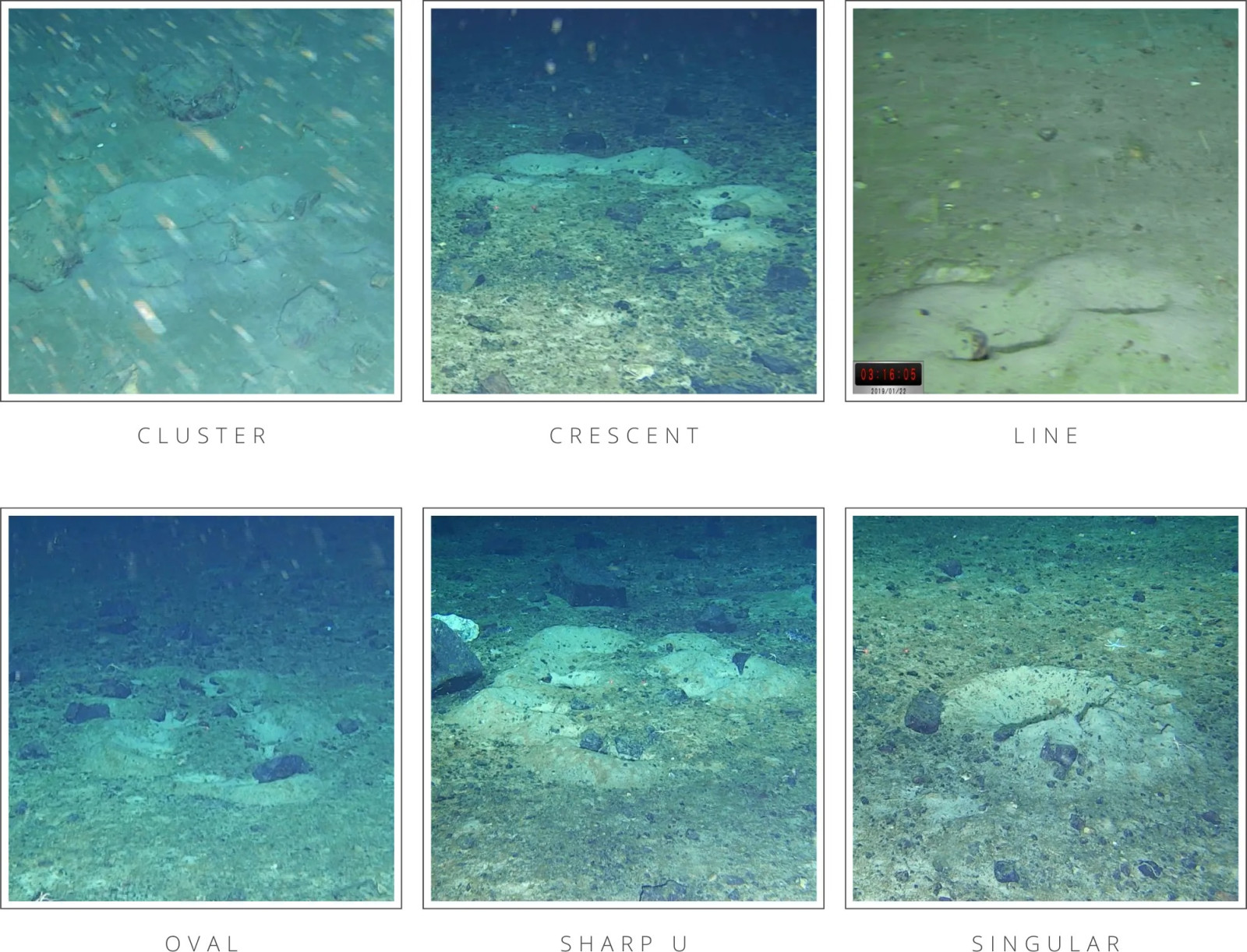
Analysis of LASSIE’s footage revealed some variation in nest architecture, though most nests share the same fundamental design: circular depressions cleared of fine sediments, revealing a gravel and small stone base underneath.
This structure helps stabilize the eggs, preventing displacement by currents. The design appears consistently across nearly all nests examined.
Sensor measurements indicate silt levels inside nests are about 40% lower than surrounding seabed areas, implying the fish maintain their nests actively instead of just constructing them once.
At the colony’s margins, researchers found dead fish and empty nests attracting scavengers such as sea stars, brittle stars, and crustaceans that feed on organic remains.
This buildup of organic matter has fostered a unique ecosystem richer in diversity compared to adjacent deep-sea plains, which lack such nutrient sources.
Predation by Weddell Seals and Conservation Initiatives
Weddell seals are the main predators at the site. The AWI team integrated LASSIE’s imagery with acoustic data from hydrophones stationed nearby to understand seal interactions within the colony better.
Findings show a distinct link between peak fish spawning times and increased Weddell seal vocal activity, a consistent pattern throughout the monitoring period.
Satellite tracking data reveals that 90% of seal diving behavior in this sector of the Weddell Sea occurs directly over the colony. In November alone, hydrophones detected over 2,000 seal dives between 400 and 500 meters depth.
Given the colony’s ecological importance, a proposal has been submitted to the Commission for the Conservation of Antarctic Marine Living Resources (CCAMLR) to designate this region as a Marine Protected Area (MPA). The petition highlights threats from bottom trawling and potential impacts of climate change-induced alterations in deep-water currents.
- Categories:
- Science









0 comments
Sign in to Comment