
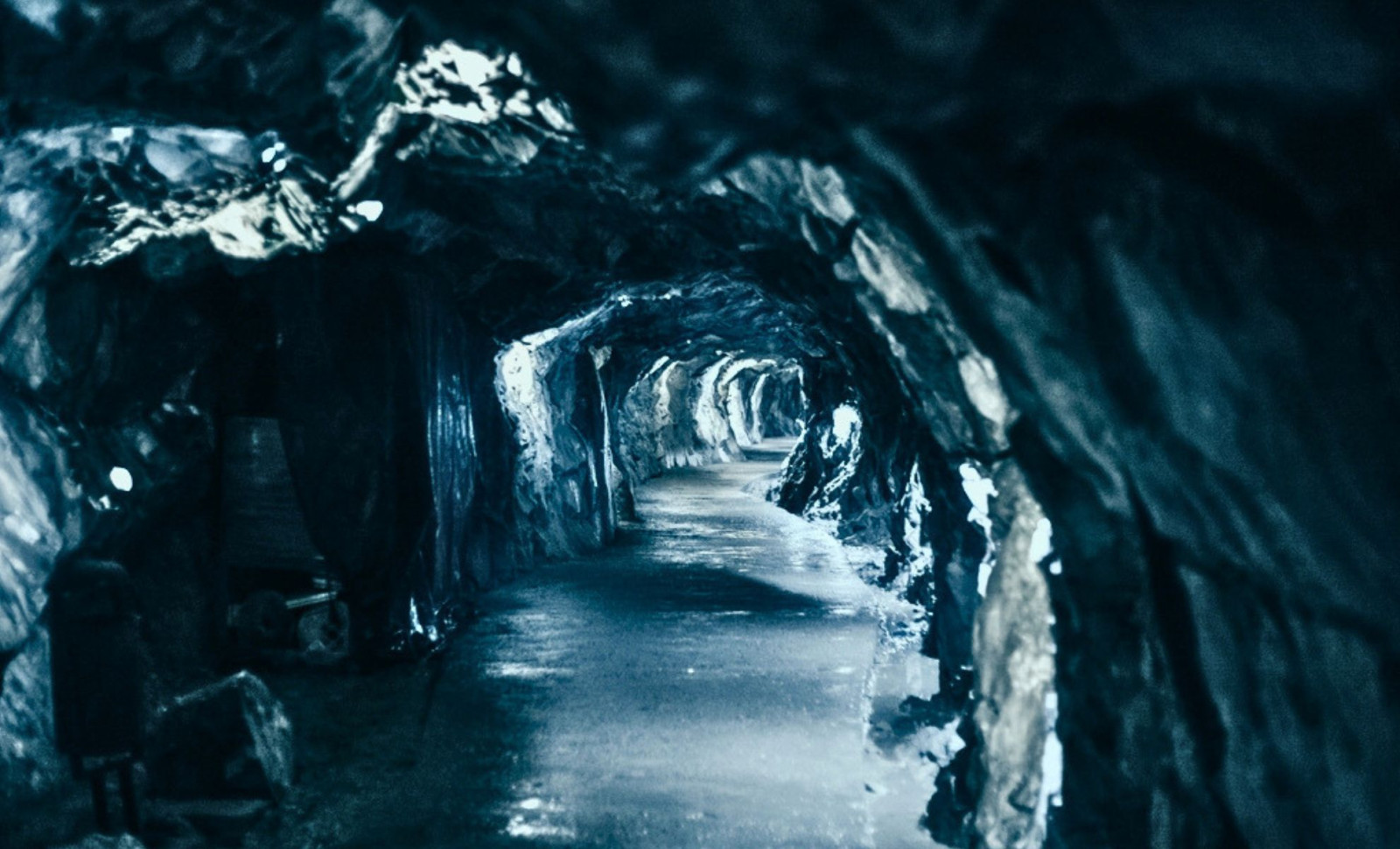
Researchers exploring a cave along Northern Norway's coastline have uncovered fossilized remains from 46 distinct species of mammals, birds, and fish, dating back 75,000 years. This discovery represents the oldest Arctic faunal record ever documented in this part of Europe.
The fossils were recovered from Arne Qvamgrotta, situated close to Kjøpsvik in the Narvik area, revealing animals that once thrived in a coastal environment prior to the last major glacial expansion. Details of the study are published in a paper in the Proceedings of the National Academy of Sciences. Scientists suggest these findings provide fresh insights into how Arctic fauna adapted to dramatic climatic shifts in the past.
Mining Work Exposed the Cave in the 1990s
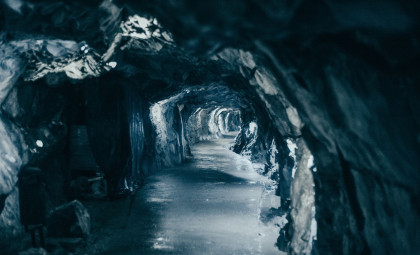
Arne Qvamgrotta came to light accidentally in the 1990s when a mining operation bored a tunnel through the mountain near Kjøpsvik. This blasting uncovered an entrance to the cave network, although initial inspections did not reveal the valuable paleontological archive buried within its sediment.

For almost three decades, the cave remained virtually untouched. The layers of sediment preserved remains that had been shielded from erosion and scavengers, conditions rarely seen in sites this ancient in glaciated landscapes.
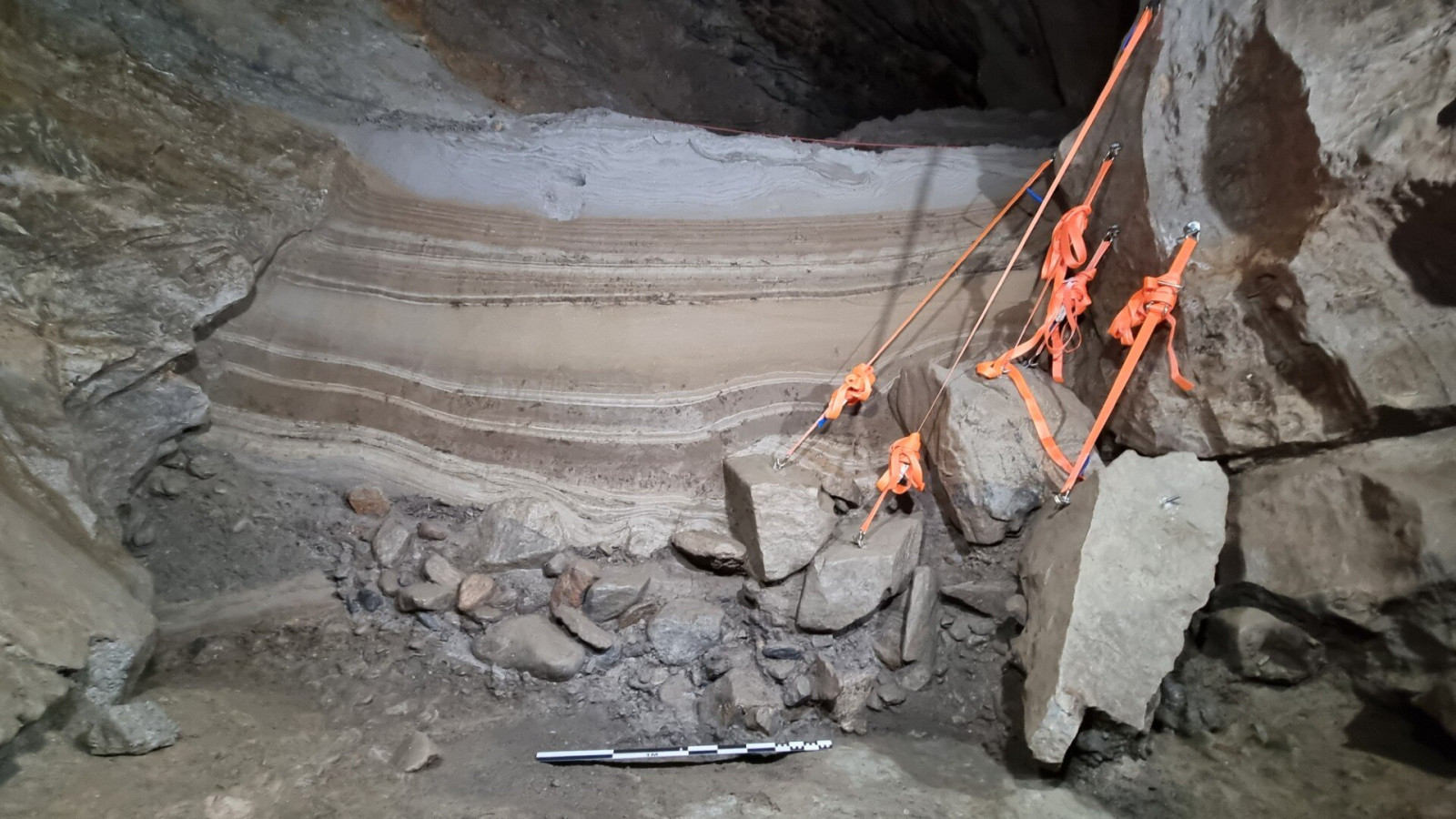
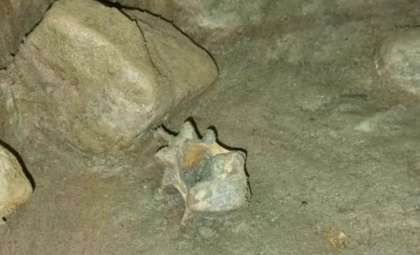
Excavations resumed in 2021 and 2022, with a dedicated team carefully peeling back sediment layers to extract remarkably well-preserved bone fragments dating back to the original burial time.
The collaborative research involved experts from the University of Oslo, Bournemouth University, University Museum of Bergen, the Norwegian University of Life Sciences, among others. Such ancient organic material, especially predating 10,000 years, is rare in regions previously dominated by glaciation, making this discovery particularly exceptional.
Species Identification Through Bone and Ancient DNA Analysis
Scientists used a blend of classical morphological examination and ancient DNA sequencing to identify species. This method enabled precise classification even from small or damaged remains that could not be reliably assigned through bone structure alone.
The diverse catalog included species such as polar bears, walruses, bowhead whales, Atlantic puffins, common eiders, rock ptarmigans, Atlantic cod, and migratory reindeer, reflecting both terrestrial and marine life interacting in the same environment.
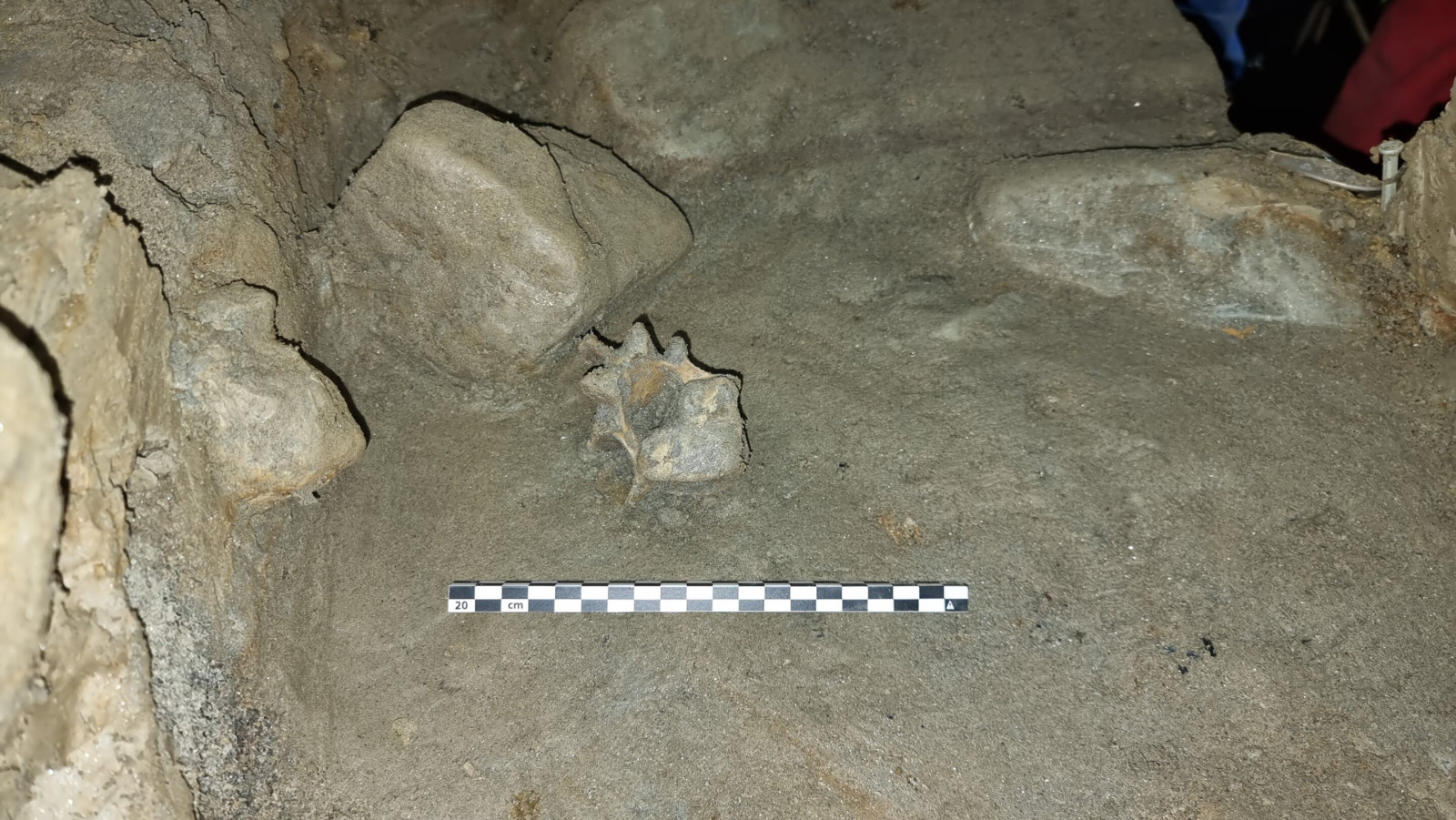
A particularly remarkable discovery was the presence of collared lemming remains—an animal now extinct in Europe and previously unrecorded in any Scandinavian fossil catalog—introducing new data to the region's prehistoric biodiversity.
Sam Walker, lead author from Bournemouth University, described the find as "a rare glimpse into an ancient Arctic ecosystem no longer present today." Collectively, these 46 species make up the earliest documented fauna from the European Arctic during a warmer phase of the Ice Age.
Sanne Boessenkool, a University of Oslo geneticist and senior author, emphasized that the cave preserves an unusually complete snapshot of a coastal ecosystem containing both marine and terrestrial species deposited simultaneously—a rarity for sites of this age.
Implications: Evidence for Mostly Ice-Free Shores
The assortment of species suggests the coastline during this period was largely free of ice, with glaciers pushed back well inland compared to their later progression. This scenario contrasts common perceptions of the Ice Age landscape dominated by extensive frozen plains.
Presence of migratory reindeer supports the existence of accessible land corridors, as these animals require open pathways to traverse between seasonal feeding areas. This indicates a mostly unglaciated coastal fringe rather than permanent ice coverage.

Discovery of freshwater fish bones further reveals lakes and streams cutting through the tundra landscape nearby, painting a picture of a heterogeneous habitat with open terrain, flowing water, and migratory species—not simply a uniform ice sheet.
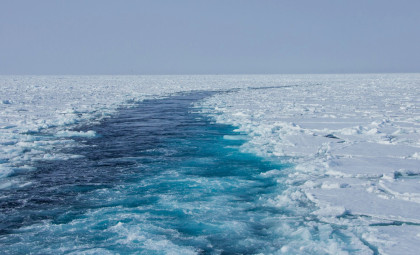
Marine life fossils like bowhead whales and walruses, both dependent on seasonal sea ice, indicate that ice still formed offshore during parts of the year.
Harbor porpoise remains found alongside ice-dependent species suggest fluctuating sea ice presence, as porpoises avoid icy waters, implying seasonal rather than permanent ice formation.
Extinction Linked to Glacial Readvance
Genetic analyses revealed that the ancient populations represented in the cave did not persist after colder conditions returned and glaciers advanced again in the region.
Scientists propose this resulted from a lack of suitable habitats for relocation. As glaciers expanded, the coastal ecosystem collapsed because animals could not migrate to alternative environments within reach.
This led to localized extinction events rather than population movement, effectively erasing this once-thriving community along with the climate shift.
Walker points out that modern Arctic habitats are much more fragmented compared to those 75,000 years ago, severely limiting options for wildlife migration as climates change—a critical concern for contemporary conservation efforts.
- Categories:
- Science

0 comments
Sign in to Comment