
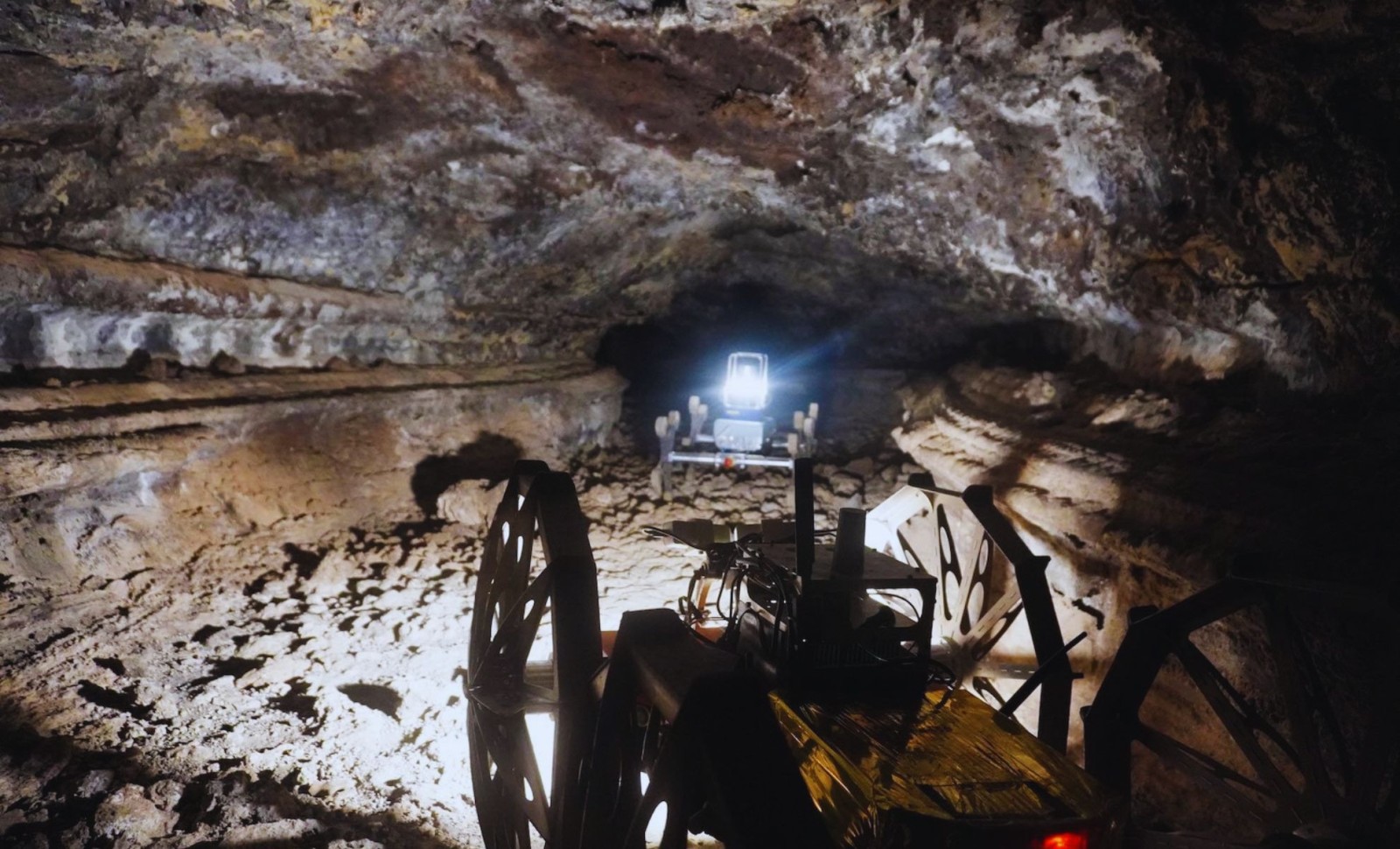
Establishing a human presence on the Moon involves tremendous hurdles, but a promising solution could be hiding beneath its rocky exterior. Our celestial neighbor presents a harsh environment marked by a lack of atmosphere, exposing its surface to intense radiation and extreme temperature swings. Making a home there long-term requires innovative protective measures, and scientists suspect the key lies beneath the surface.
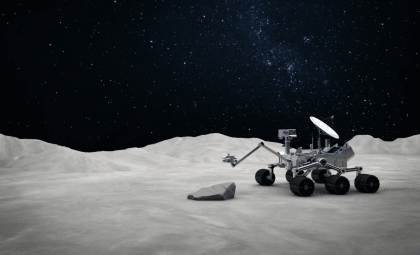
A collaborative group of European researchers recently hit a significant milestone by testing autonomous robotic explorers designed to navigate ancient lunar lava tubes. These naturally formed caves could potentially serve as safe havens for astronauts in future missions.
The findings, featured in Science Robotics and coordinated by the Space Robotics Laboratory at the University of Malaga, are a vital part of advancing robotic systems tailored for exploring the Moon's surface and subsurface.

Lava Tubes: Nature’s Shield for Lunar Settlements
Popular depictions of moon colonies often portray sleek, photovoltaic habitats, but the actual conditions are far less forgiving. The lunar surface is continually struck by solar radiation and experiences temperature extremes ranging from a blistering 121 °C in direct sunlight to a freezing –146 °C in darkness. Without atmospheric or magnetic protection, long-term sheltering solutions become critical.
The team’s research highlights that lunar lava tubes could offer natural protection against these harsh conditions. These caves, resulting from historic volcanic activity where molten rock flowed through tunnels leaving hollow structures, provide stable shelter on Earth.
The Moon experienced volcanic activity eons ago and likely hosts similar lava tube networks underground. These formations might serve as reliable refuges for explorers. Prior to their use, however, scientists need to identify which tubes are secure and accessible.
Field Trials in Terrestrial Lava Caves
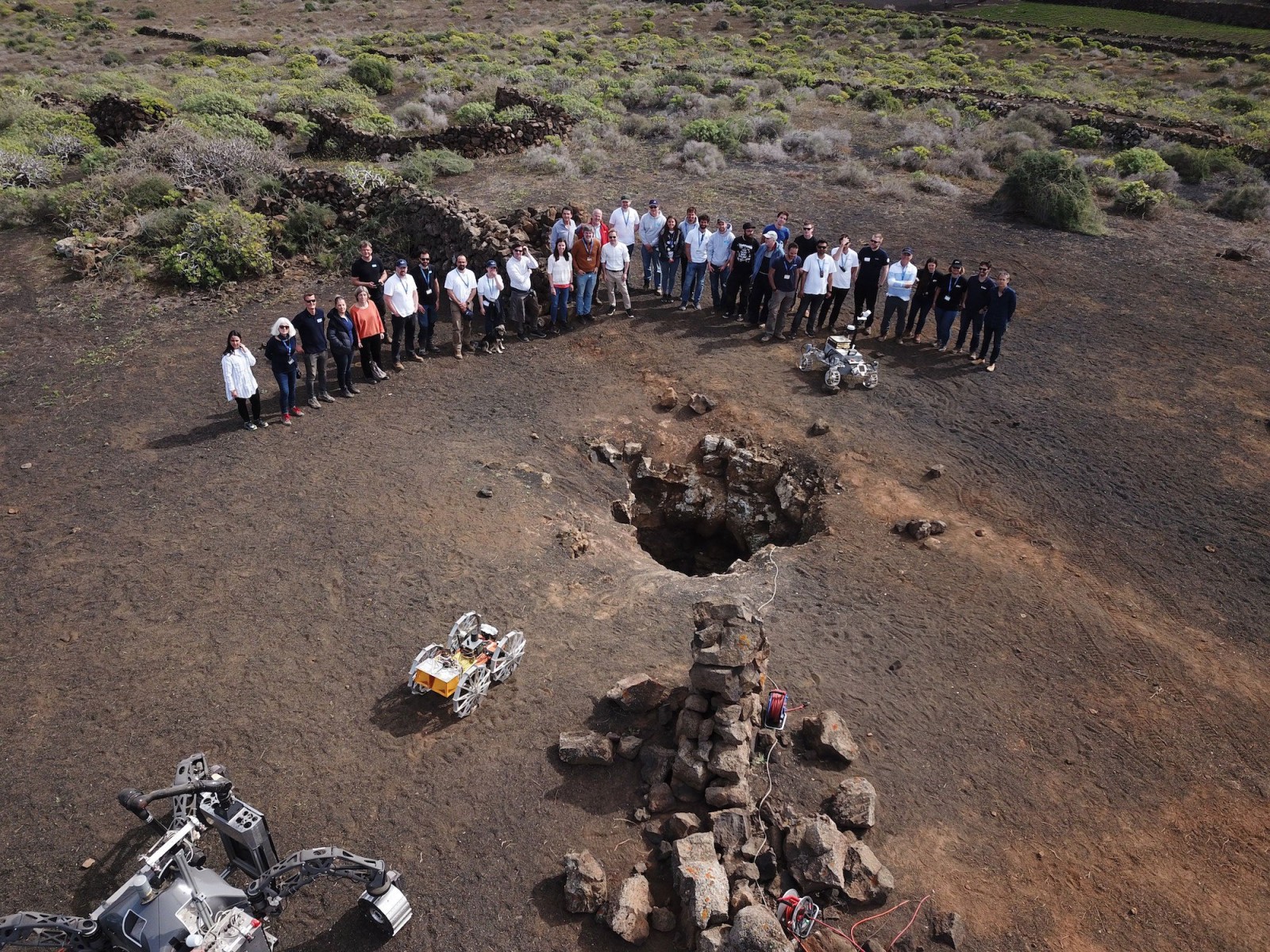
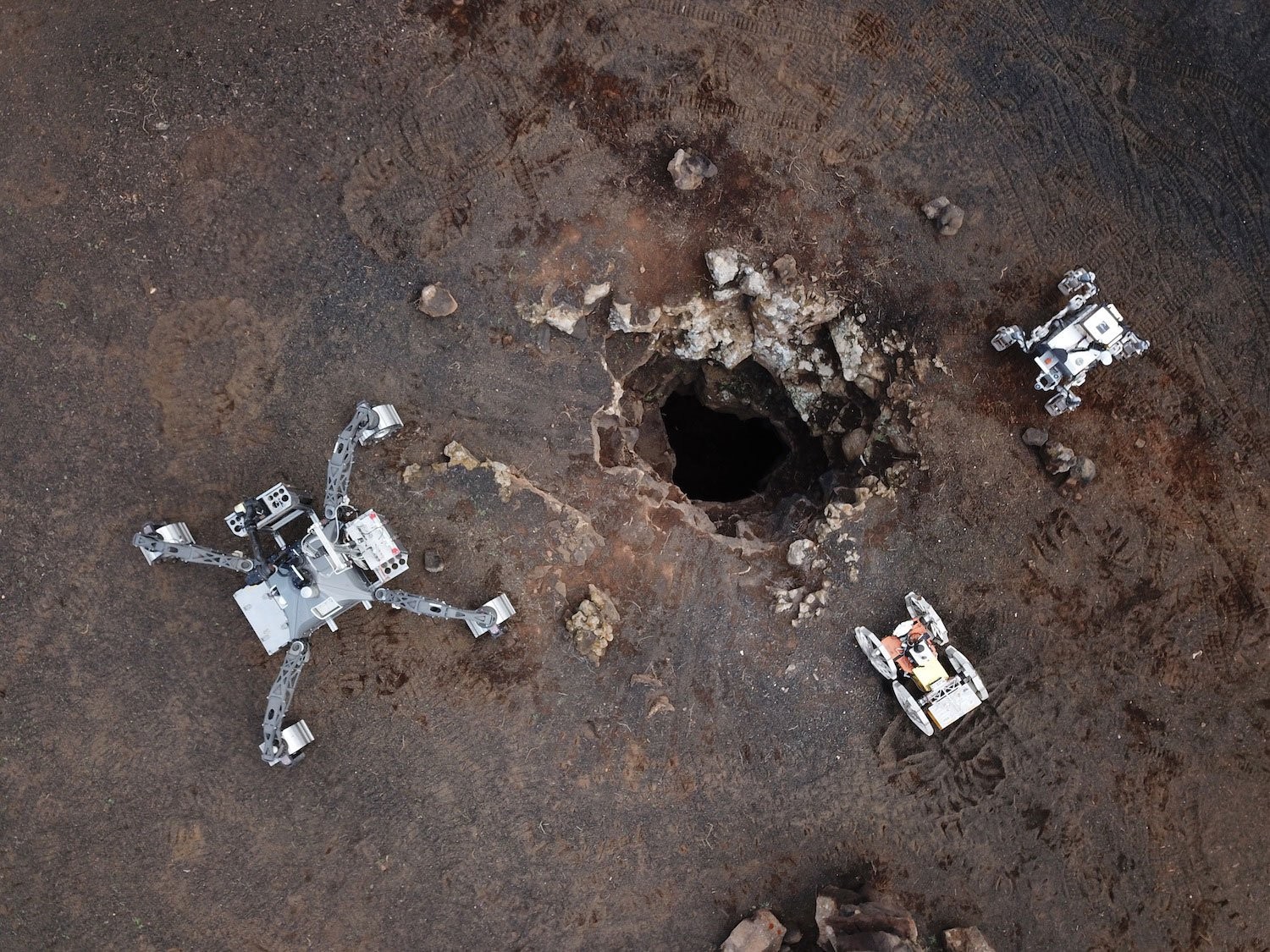
To evaluate the robots' capabilities, the team brought their experimental systems to the volcanic isle of Lanzarote in Spain. In February 2023, they deployed three autonomous rovers—SherpaTT, Coyote III, and LUVMI-X—within natural lava tunnels. The objective was to replicate lunar conditions and test whether these robots can efficiently scan and analyze the interior structure of lava tubes.
Throughout the exercises, SherpaTT and LUVMI-X collaborated to generate detailed 3D maps of cave entrances and terrains. Meanwhile, Coyote III was navigated inside the caves to explore their interiors. A particularly innovative experiment involved dropping a sensor-equipped payload cube to mimic the effect of free-falling into a skylight hole in the cave ceiling. Despite logistical and weather challenges, the mission objectives were successfully achieved.
Advancing Towards Sustainable Lunar Exploration
The research group emphasizes that these robotic explorers are crucial for future Moon missions, as they can autonomously identify and evaluate potential astronaut habitats. By thoroughly mapping lava tube interiors, they offer invaluable data well before humans land on the lunar surface.
Moving forward, the challenge lies in enhancing these technologies to remain operational independently over extended lunar stays. This pioneering work represents a vital leap forward in creating feasible, long-term human living arrangements beyond Earth.
- Categories:
- Space







0 comments
Sign in to Comment