

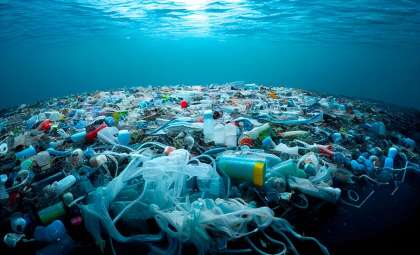
Plastic contamination in the oceans ranks among the most pressing environmental threats worldwide. The immense scale of marine environments combined with the diversity and degradation states of plastic waste make monitoring a formidable task. Nevertheless, cutting-edge advancements in satellite remote sensing are opening new avenues for tackling this issue. A recent publication in Earth System Science Data unveils the Marine Debris hyperspectral reference Library collection (MADLib), a revolutionary spectral database designed to improve the identification of ocean plastics by analyzing their light reflection signatures. This innovation represents a crucial progress in space-based marine pollution detection.
Overcoming Obstacles in Ocean Plastic Identification
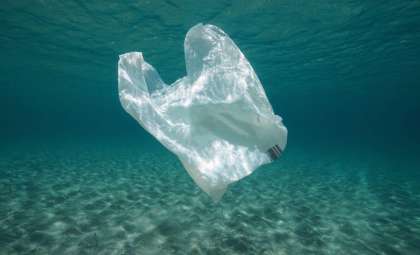
Detecting debris in marine settings has been notoriously challenging due to the heterogeneity of materials and their diverse degradation stages. Plastics—the predominant form of ocean litter—vary widely in shape, color, and size, each exhibiting distinct ways of reflecting light. Some plastic fragments drift on the ocean surface, while others sink, further complicating tracking efforts. Conventional observation techniques such as direct physical assessments and aerial imaging have limited reach and precision. Yet, the study featured in Earth System Science Data demonstrates how remote sensing innovations enable the detection of marine debris from orbit with enhanced accuracy.
Ashley Ohall, the principal investigator from the University of Georgia, shared her optimism about the future of these technologies:

“My biggest hope is that people see remote sensing as an important and useful tool for marine debris monitoring,” she said.
By analyzing how various debris reflect light, remote sensing provides essential information about their dimensions, composition, and degradation. The MADLib database, which houses nearly 25,000 reflectance spectra collected from more than 3,000 marine debris specimens, serves as a foundational resource in this endeavor.
MADLib’s Role in Advancing Detection Capabilities
One of MADLib's main achievements lies in deciphering how different plastics respond to light across a spectrum ranging from visible to shortwave infrared wavelengths. Plastics vary in reflectance patterns depending on their polymer types and environmental conditions. MADLib covers 19 polymer categories, including widely used substances like polypropylene, polystyrene, and high-density polyethylene.

In developing a versatile detection framework, researchers classified debris samples based on size ranges (micro and macro), weathering states (fresh, naturally aged, lab-weathered), and environmental context (dry, wet, floating, or submerged). This categorization aids in crafting tailored algorithms optimized for diverse debris characteristics.
Kelsey Bisson, a co-researcher on the project, emphasized the potential of these technologies:
“Detecting marine debris is the kind of incredible challenge that NASA can help solve,” she said.
Combining data from satellite instruments like the Environmental Mapping and Imaging Tool (EMIT) with MADLib’s extensive spectral information brings scientists closer to creating globally applicable debris-tracking systems.
Breakthroughs in Satellite Surveillance Technologies
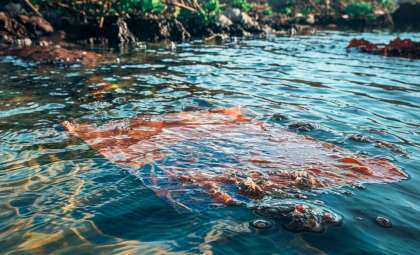
Integrating satellites with spectral reference libraries such as MADLib is revolutionizing ocean pollution monitoring. Orbiting satellites can scan vast oceanic expanses, collecting valuable insights about debris locations unfathomable by traditional surveys. Nevertheless, several challenges remain. For example, reflectance signatures fluctuate depending on debris depth; floating plastics differ sharply from submerged ones, necessitating multiple detection algorithms for reliable differentiation.
Creating advanced algorithms capable of interpreting these intricate light reflection patterns is essential for refining satellite-based plastic identification. The study advocates expanding future research efforts to incorporate diverse plastic conditions and debris types, with a focus on floating plastics that are more readily identifiable from space. This will elevate detection precision and bolster efficient cleanup initiatives.
Global Implications of Enhanced Debris Monitoring
Beyond improving identification methods, this research aims to establish an international framework for managing and mitigating marine litter. Combining remote sensing tools with resources like MADLib offers critical data pinpointing debris accumulation zones, enabling strategic and targeted remediation. Tracking plastic waste proliferation across vast ocean currents could also reveal pollution origins, guiding policy development to curb plastic input into marine ecosystems.
Bisson aptly articulated the significance of this work: “Humans have a visceral connection to the ocean and its health.” The vitality of ocean habitats extends beyond biodiversity; they are pivotal to global climate regulation. Accordingly, tackling marine plastic pollution is a vital endeavor for environmental sustainability and public wellbeing worldwide.
- Categories:
- Science










0 comments
Sign in to Comment