
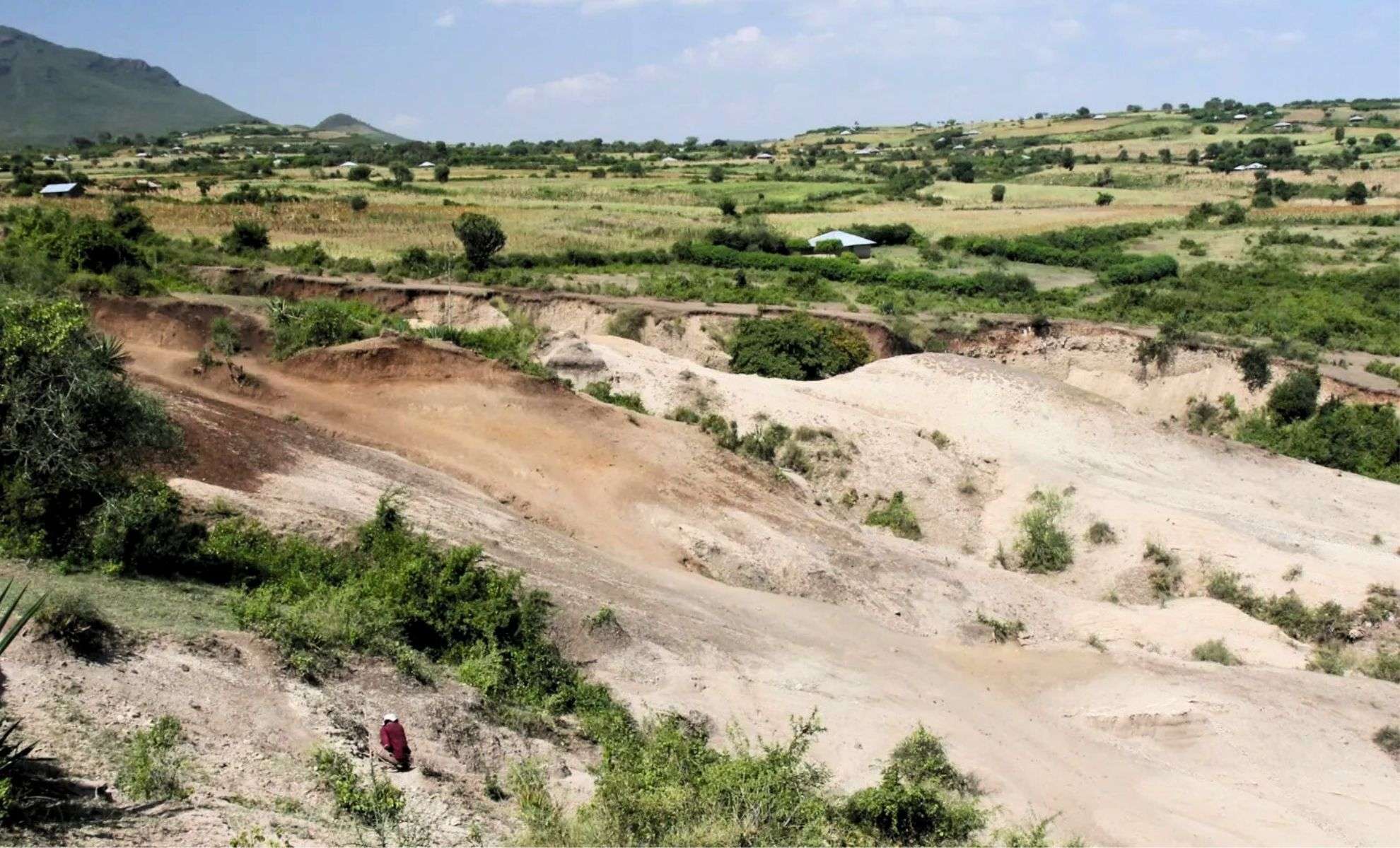
Researchers excavating southwestern Kenya have discovered stone artifacts estimated to be as old as 3 million years. These implements, potentially the most ancient ever recorded, were found near remains of Paranthropus, an ancient relative of today’s humans.
An Unexpected Find at the Nyayanga Site
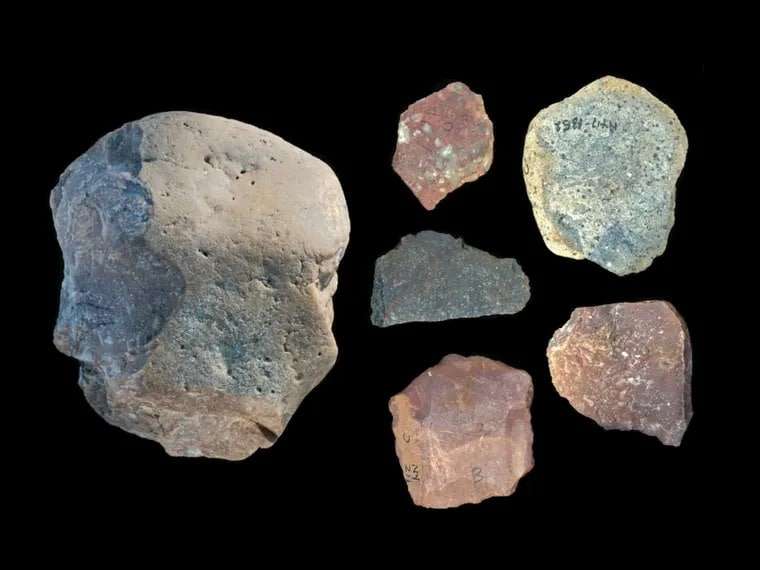
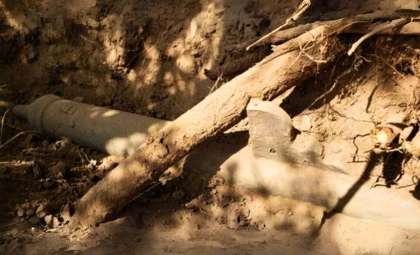
The Nyayanga archaeological location, situated close to Lake Victoria in southwestern Kenya, was explored from 2014 to 2022. Over 300 stone implements, primarily crafted from quartz and rhyolite, were uncovered during these excavations.
These artifacts belong to the Oldowan tool culture, which represents the earliest known stone tool technology previously attributed only to the genus Homo.

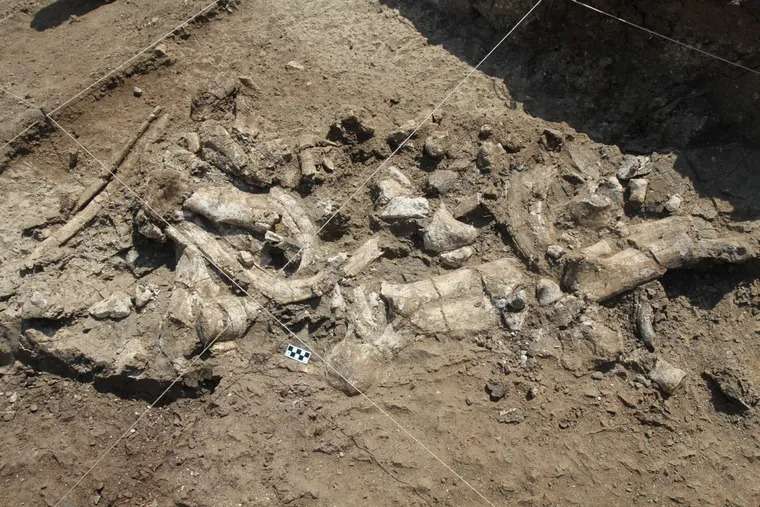
Significantly, these tools were found alongside fossil remains of Paranthropus, a hominin species thought to have existed around 2.9 million years ago.
This finding not only extends the known age of Oldowan tools but also raises the possibility that tool use by non-Homo hominins like Paranthropus may have been more common than previously recognized.
Reexamining Established Perspectives
Previously, the consensus was that only early hominins of the genus Homo, such as Homo habilis, manufactured and wielded stone tools. It was thought that Paranthropus, with its robust dental and jaw anatomy, had no need for such implements. This new evidence contests that assumption.
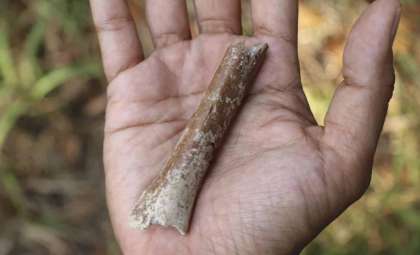
The association of Paranthropus bones with stone tools and remains of butchered animals indicates these hominins potentially engaged in tool use for food processing in ways never considered before.
“Paranthropus has long been viewed as a species that didn’t use tools, but discoveries at Nyayanga call this into question,” commented Emma Finestone, a paleoanthropologist from the Cleveland Museum of Natural History involved in the research.
Animal Butchery Evidence and Its Implications
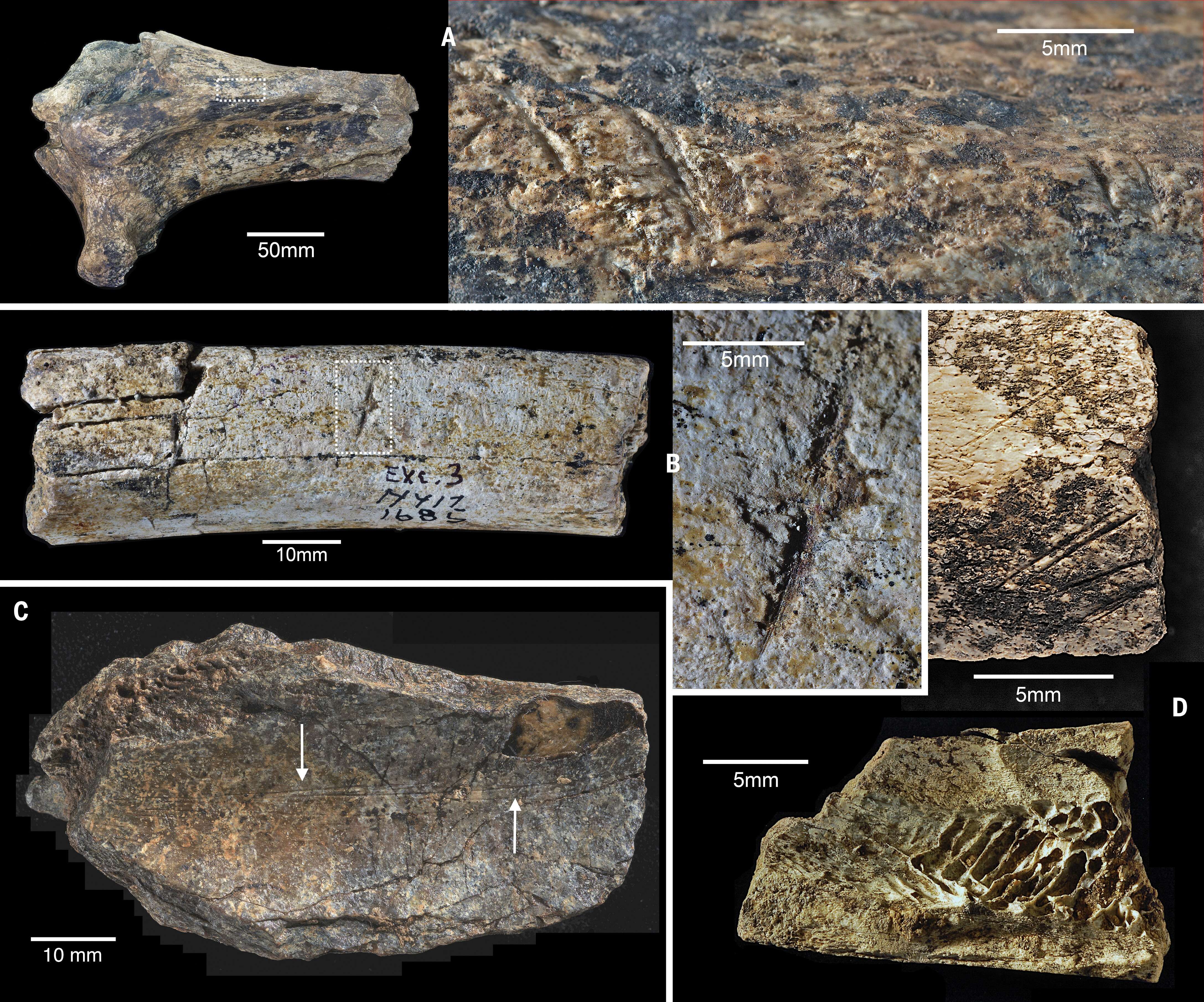
The site also produced animal fossils bearing marks consistent with butchery, including those of hippopotamuses. This finding challenges prior beliefs that early hominins lacked the technology or capability to scavenge or process large game.
While it's not yet clear whether Paranthropus actively hunted or scavenged these animals, the cut marks strongly imply involvement in butchering large quadrupeds for meat.
“This is the first indication that Paranthropus could have participated in the butchery of large animals such as hippos,” stated Thomas Plummer, anthropology professor at Queens College and lead author of the study featured in the journal Science.
“These results may revolutionize our understanding of interactions between early hominins and animal resources.”
The Significance of Oldowan Technology
The stone implements found at Nyayanga belong to the Oldowan tradition, regarded as one of humanity's earliest tool-making techniques. Although simplistic, these tools mark a critical step in primitive technological progress.
Despite their simple design, Oldowan tools like those unearthed at Nyayanga played a pivotal role in early human development.
They were utilized for cutting, scraping, and processing meat, their use spreading across Africa and beyond for more than a million years.
Until now, the oldest known Oldowan tools came from Ethiopia and dated back roughly 2.6 million years.
The Nyayanga artifacts, possibly as old as 3 million years, extend the timeline for the evolution of this crucial stone tool culture even further back into prehistoric times.
- Categories:
- Science






0 comments
Sign in to Comment