
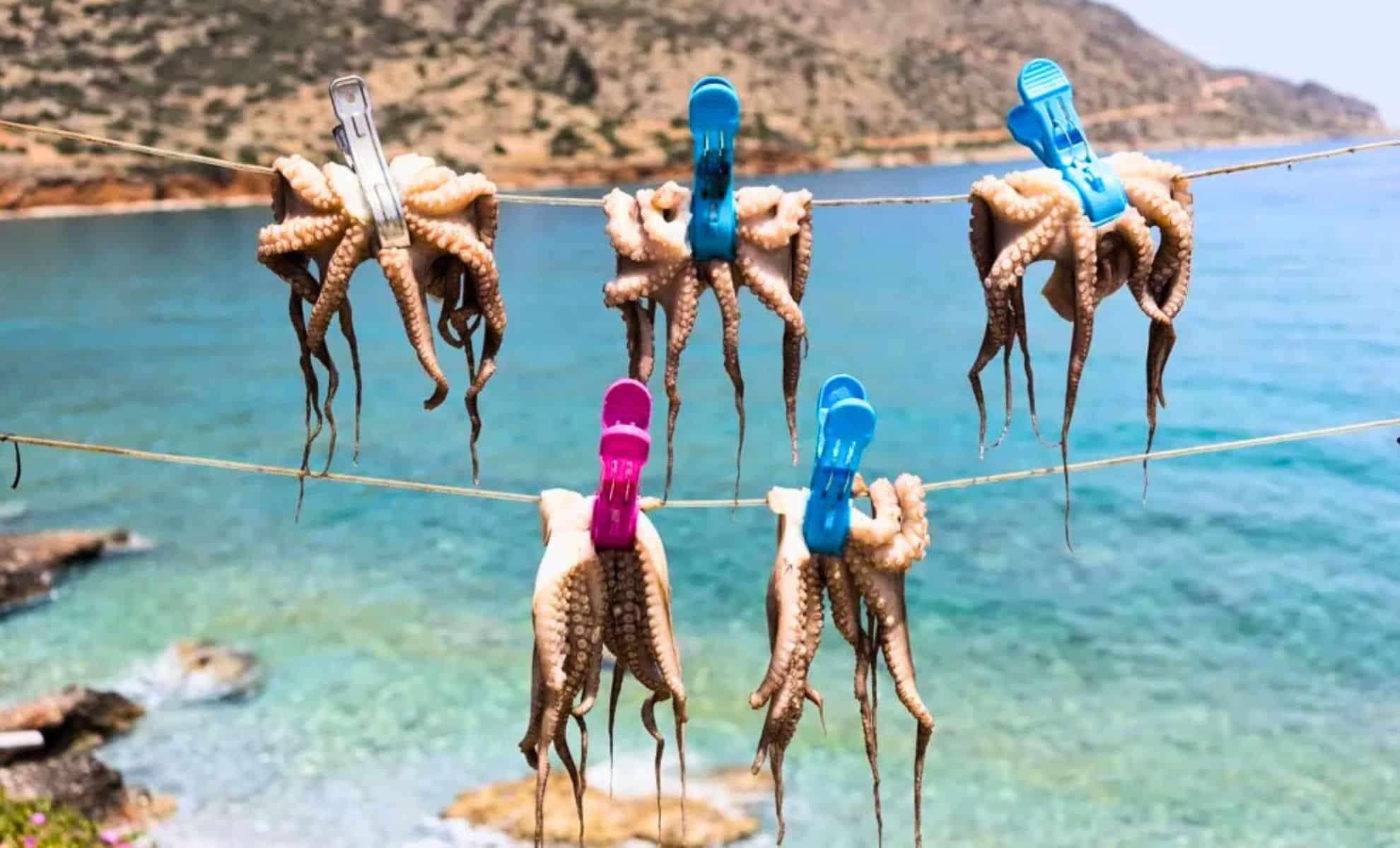
On Gran Canaria in Spain, the company Nueva Pescanova has launched the planet’s inaugural commercial octopus farming operation, aiming to produce 3,000 metric tons of octopus each year. An investigative report by the BBC brought this project to light, sparking international condemnation from animal advocates, environmental scientists, ethicists, and even some seafood industry players.
The key issue centers on the nature of octopuses, which are exceptionally intelligent and solitary animals. When confined to the restrictive, artificial conditions typical of industrial farms, they exhibit signs of extreme distress such as self-harming behavior, inking as a stress reaction, and cannibalism.
Scientific evidence makes it clear that octopuses are ill-suited for captive breeding and farming. Research published in a 2021 Frontiers in Physiology study demonstrated that captive octopuses suffer from persistent stress, shortened lifespans, and severe behavioral decline. Dr. Jennifer Mather, an authority on cephalopods at the University of Lethbridge, explains, “Trying to farm them is like attempting to farm dolphins or wolves. These intelligent creatures belong in the wild. Holding them in captivity is fundamentally inhumane.”

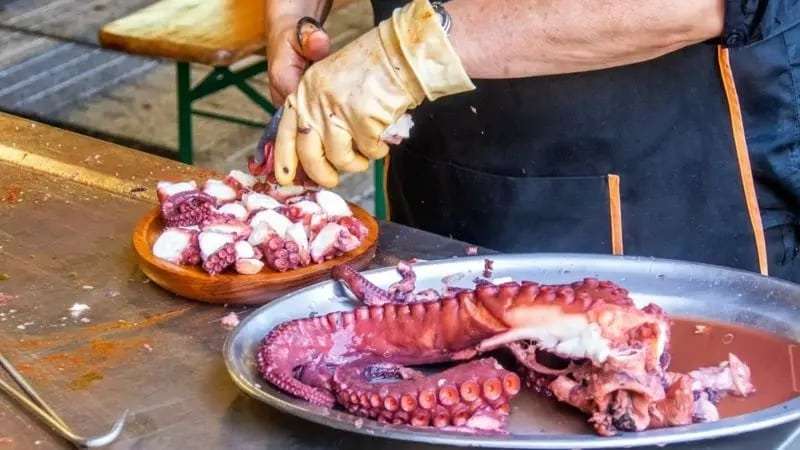
Despite the uproar, Nueva Pescanova claims that their venture can alleviate fishing pressure on wild octopus stocks while providing employment opportunities. Critics dismiss this as environmental greenwashing. The farming process involves artificial light, temperature control, and forced propagation—conditions described by Dr. Elena García-Muñoz from the University of Barcelona as “systematic suffering.” Additionally, the octopuses' carnivorous diet demands three times their body weight in wild-caught fish, putting further strain on ocean ecosystems already under pressure.
An analysis by The Sustainability Times warns that the farm may consume up to 50,000 tons of wild fish each year, a volume equivalent to total fish catches of some West African countries. “This does not represent sustainability,” states Dr. Daniel Pauly from the University of British Columbia. “It amounts to ecological destruction.”
Worldwide Response: Petitions and Industry Pushback
The backlash has been rapid and significant. More than 1 million individuals have signed petitions calling for the shutdown of the farm, and over 100 marine experts, including renowned oceanographer Dr. Sylvia Earle, have appealed to Spanish authorities to cease operations. “This should never have come into existence,” Earle remarked to The Guardian. “We are repeating mistakes made with industrial animal farming, but with a species far more complex than livestock such as pigs or chickens.”
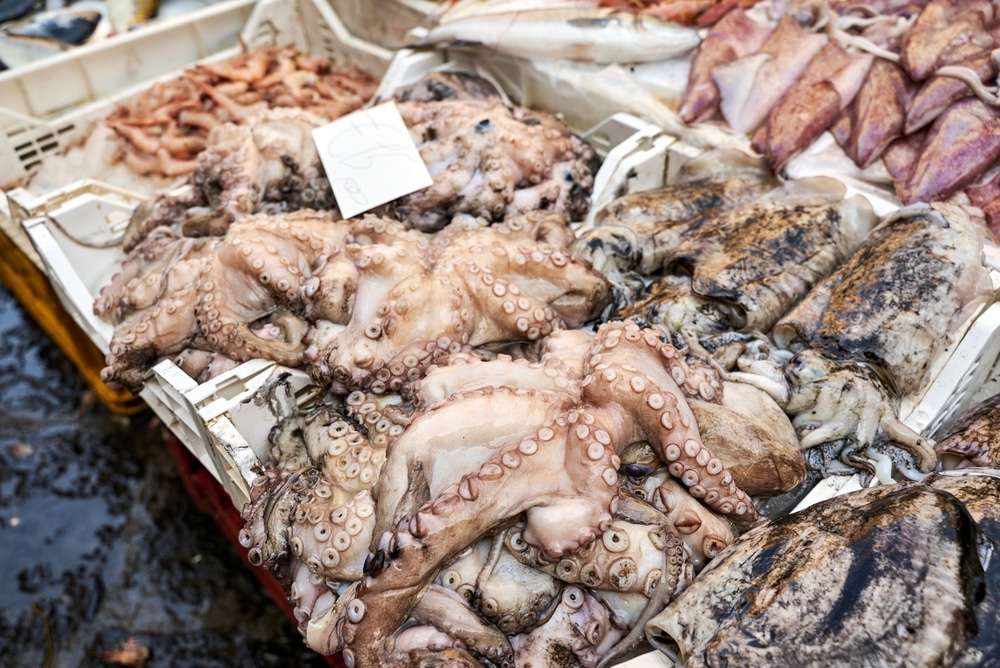
The mounting pressure is influencing retailers. Leading stores such as Whole Foods, Waitrose, and Co-op UK have committed to exclude farmed octopus from their products, citing ethical objections. The European Union is also contemplating a continent-wide prohibition, following the example of nations like Switzerland and New Zealand, where octopus farming is already banned. “Consumers want seafood that is both humane and ecologically responsible—not items produced through suffering,” said a representative from Compassion in World Farming.
Legal action is intensifying as well. Advocacy groups plan to file lawsuits under EU animal welfare regulations, while researchers are advocating for octopuses to be officially regarded as sentient beings, a designation that might prohibit their farming. “This debate extends beyond octopus farming,” explained Dr. Jonathan Balcombe, author of What a Fish Knows. “It challenges the boundaries we set on the exploitation of intelligent life forms.”
- Categories:
- News









0 comments
Sign in to Comment