
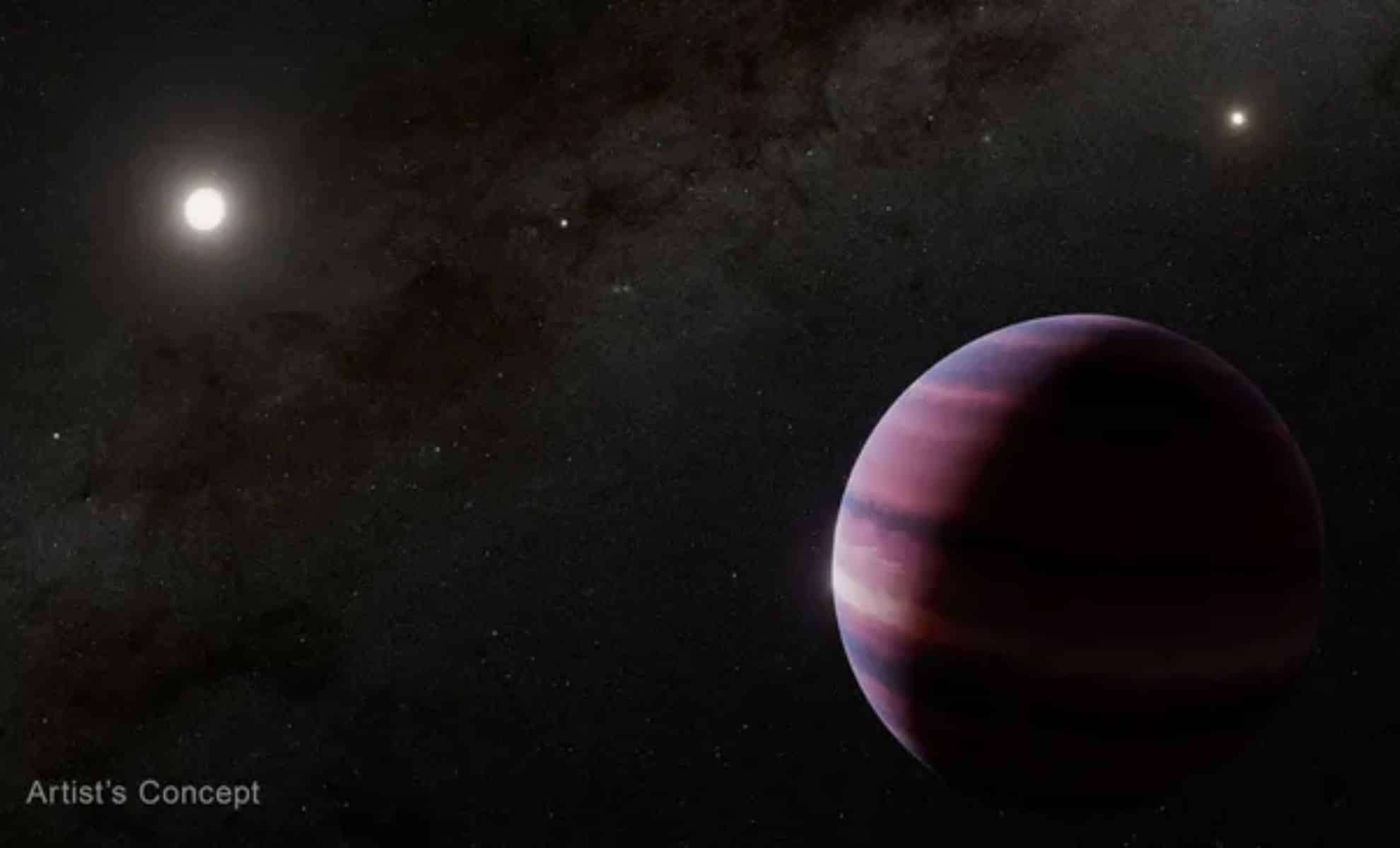
The James Webb Space Telescope (JWST) has made a remarkable advancement by detecting compelling indications of a possible new exoplanet orbiting Alpha Centauri A, the nearest sun-like star to our solar system. Situated just four light-years away, Alpha Centauri A is one of the closest stellar neighbors to Earth. The planet candidate lies within the star’s habitable zone—the area where liquid water might exist—although the planet itself is expected to be a gas giant. This finding builds on previous JWST achievements that have unveiled important characteristics of distant planetary systems. Additionally, this discovery aligns with other recent JWST research, as described in this ESA document, showcasing the telescope’s ability to detect exoplanets around stars similar to Alpha Centauri A. In this article, we delve into the details of this finding, its significance for exoplanet science, and the enthusiasm it has generated within the astronomical community.
Innovative Techniques Behind the Discovery
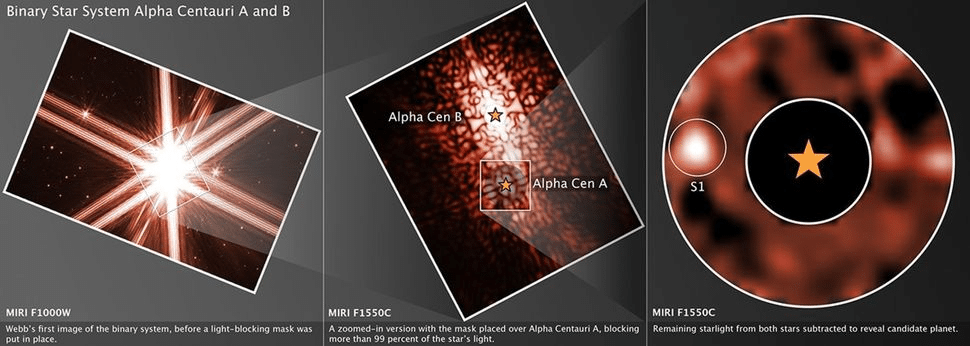
The newly identified exoplanet candidate was found within the Alpha Centauri system, comprising the stars Alpha Centauri A, Alpha Centauri B, and Proxima Centauri. Alpha Centauri A, the system’s primary star, closely resembles our Sun in size, brightness, and age. The detection was achieved through JWST’s Mid-Infrared Instrument (MIRI), which offers advanced imaging capabilities. Utilizing a coronagraphic mask to block the star’s overwhelming light, researchers could spot much dimmer objects orbiting near it. The potential planet is estimated to orbit about two astronomical units away—double the Earth-Sun distance.
Though confirmation is still pending, this discovery has already captured significant attention. Charles Beichman, executive director of the NASA Exoplanet Science Institute at Caltech and senior scientist at NASA’s Jet Propulsion Laboratory, remarked, “Because Alpha Centauri A is so close, any discovered exoplanets provide our best chance to gather detailed data on planetary systems outside our own.” His comments highlight the critical importance of this nearby star system for advancing planetary science.

What Distinguishes the Alpha Centauri A System?
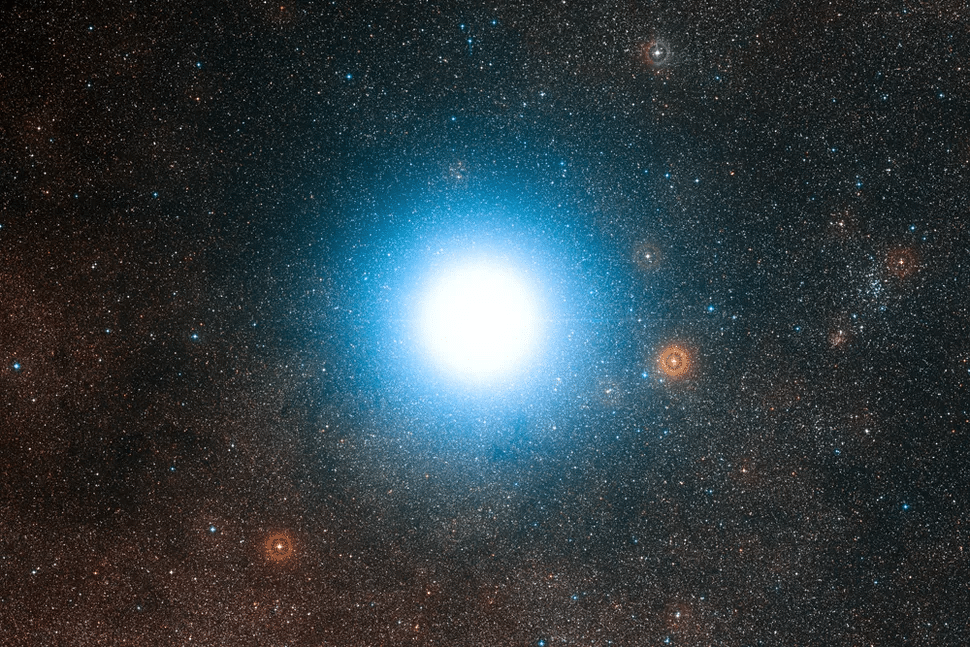
Alpha Centauri A stands out as one of the closest sun-like stars, offering a rare window for scientists to examine a system akin to our own. If confirmed, this would be the first planet directly observed orbiting a star with properties similar to our Sun, and the nearest such world detected to date. Being so near, any worlds around Alpha Centauri A could provide unprecedented insights into how planets form and whether environments conducive to life exist beyond our solar neighborhood.
While Alpha Centauri A is quite similar to the Sun, the candidate exoplanet is believed to be a gas giant, which diminishes the likelihood that it hosts Earth-like life. Nevertheless, discovering such a planet remains crucial for understanding how planetary systems develop. Gas giants orbiting sun-like stars help scientists unravel the processes governing planet formation, movement, and evolution. The planet’s position within the habitable zone further intensifies interest, encouraging more detailed study of planets occupying this special region.
The Role of the Habitable Zone in Exoplanet Exploration
The "habitable zone" concept is central to the search for life beyond Earth. This zone defines the star-to-planet distance spectrum within which conditions might allow liquid water to be stable on a planet's surface. Often called the "Goldilocks zone," it describes where temperatures are neither too hot nor too cold for water to remain liquid, a crucial factor for life as we know it.
Though the candidate exoplanet near Alpha Centauri A is a gas giant and not likely to support life, its presence in the habitable zone is significant. It demonstrates the diversity of planetary types within these zones and emphasizes the need for ongoing research to clarify what makes a planet truly habitable. As detection methods improve, astronomers hope to refine their understanding of planetary environments capable of supporting life.
- Categories:
- News











0 comments
Sign in to Comment