
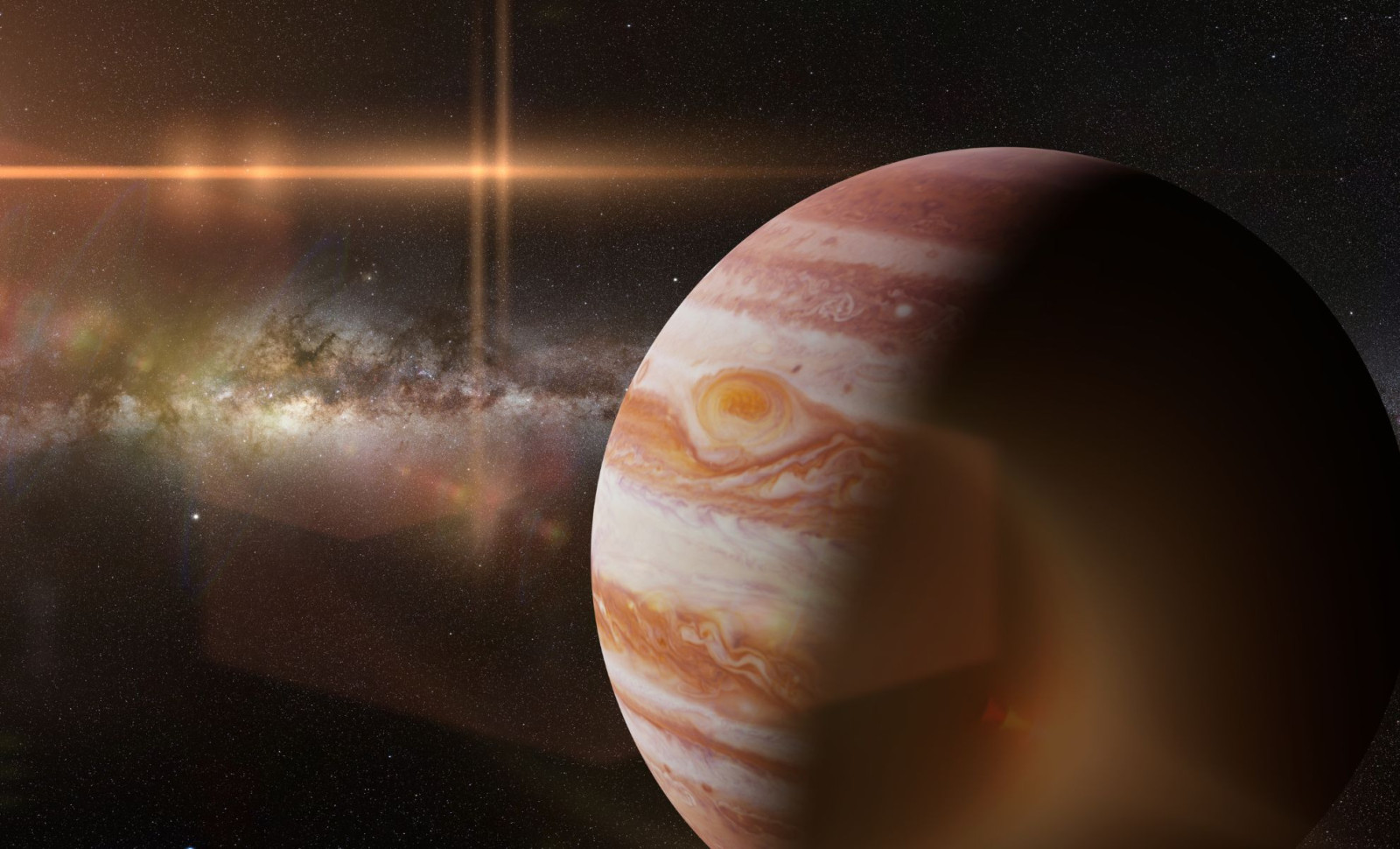
As the new year unfolds, Jupiter commands attention in the night sky with exceptional brilliance. During January, this giant planet shines more intensely than usual as it reaches opposition, an alignment where Earth stands directly between Jupiter and the Sun. This position makes the planet appear largest and most luminous, visible all night from sunset to sunrise. Alongside a notable meteor shower and vibrant winter constellations, this month offers spectacular opportunities for skywatchers.
Jupiter’s Brightness Offers Unmatched Viewing Opportunities
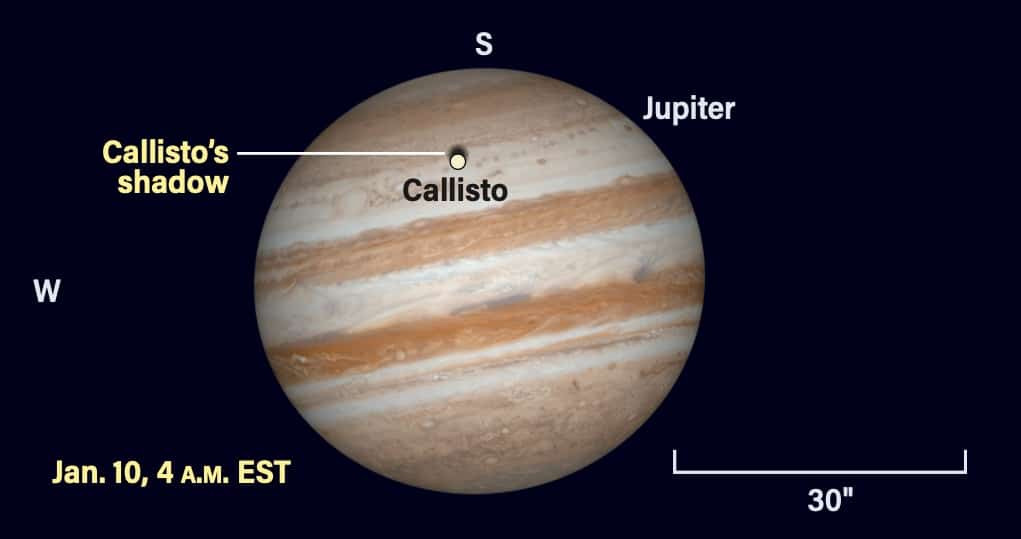
This month, Jupiter’s viewing conditions are especially favorable, even for those in city environments. As noted by Earthsky.com, its stable, bright glow makes it stand out clearly in the night sky, unlike the twinkling of stars. While visible to the naked eye, using binoculars will reveal Jupiter’s four major moons: Io, Europa, Ganymede, and Callisto.
Astrophysicist Jackie Faherty from the American Museum of Natural History shares:

“It is a really good month to look for Jupiter.” he added, “Jupiter is high in the sky, and is up all night throughout the month and looks really awesome.”
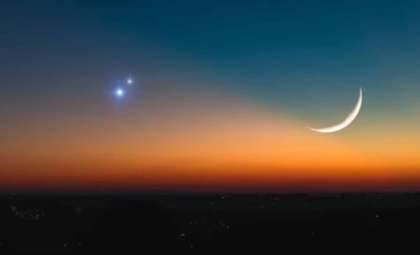
January 10 marks Jupiter's peak opposition, when Earth lies precisely between the planet and the Sun. Though this event occurs annually, this year’s circumstances are particularly favorable for observation. Additionally, on January 4, Jupiter will be positioned close to the full moon, providing a striking visual duo for photographers.
Meteor Activity Brings Winter Nights to Life
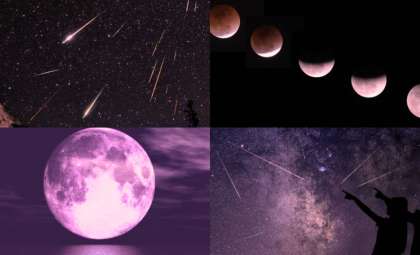
In conjunction with Jupiter’s radiance, the Quadrantids meteor shower reaches its height on January 3. Starting in late December and lasting until January 16, early January nights offer the best view of this celestial event.
Meteors from the Quadrantids hurtle at roughly 90,000 miles per hour, typically producing about 10 visible streaks per hour. Under perfect dark skies, NASA suggests sightings can reach up to 200 meteors per hour. However, as highlighted by Gothamist, the full moon’s brightness may dim some of the spectacle, though bright fireballs and vivid bursts remain likely.
Exploring Winter’s Iconic Star Patterns
In addition to planets and meteors, January’s sky showcases striking constellations visible even with city light pollution. The famous Orion constellation is easily identifiable by its trio of stars forming the hunter’s belt. Nearby, the bright stars Rigel and Betelgeuse mark Orion’s knee and shoulder with their distinct colors.
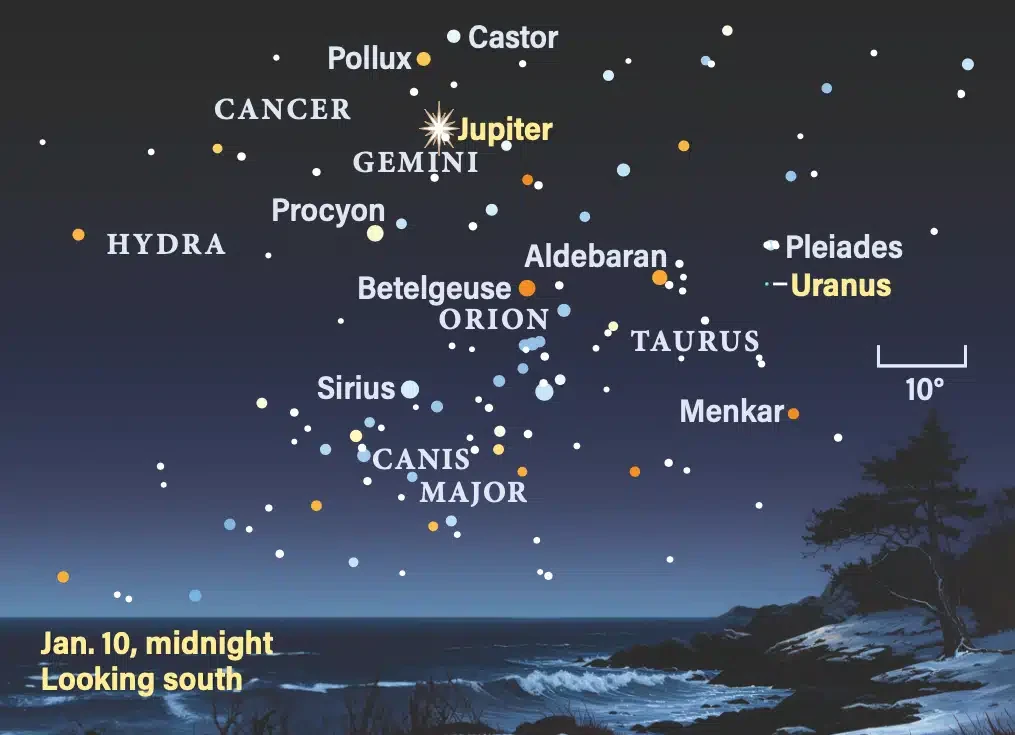
Just to Orion’s right lies Taurus, featuring the fiery red star Aldebaran as the bull’s eye. Close by, the Pleiades star cluster shines as a compact group of bluish stars frequently mistaken for a blurry patch.
“Right now our winter sky, our sky is dominated by the rise of Orion and Taurus,” explained Faherty. “When you go out at night or get out after work, these are the constellations that are going to strike you because they’re going to be rising, and they’ve got all the bright stars that your eyes are going to be drawn to, and they just do a little lap around around your zenith and set by the end of the night.”
- Categories:
- Space







0 comments
Sign in to Comment