
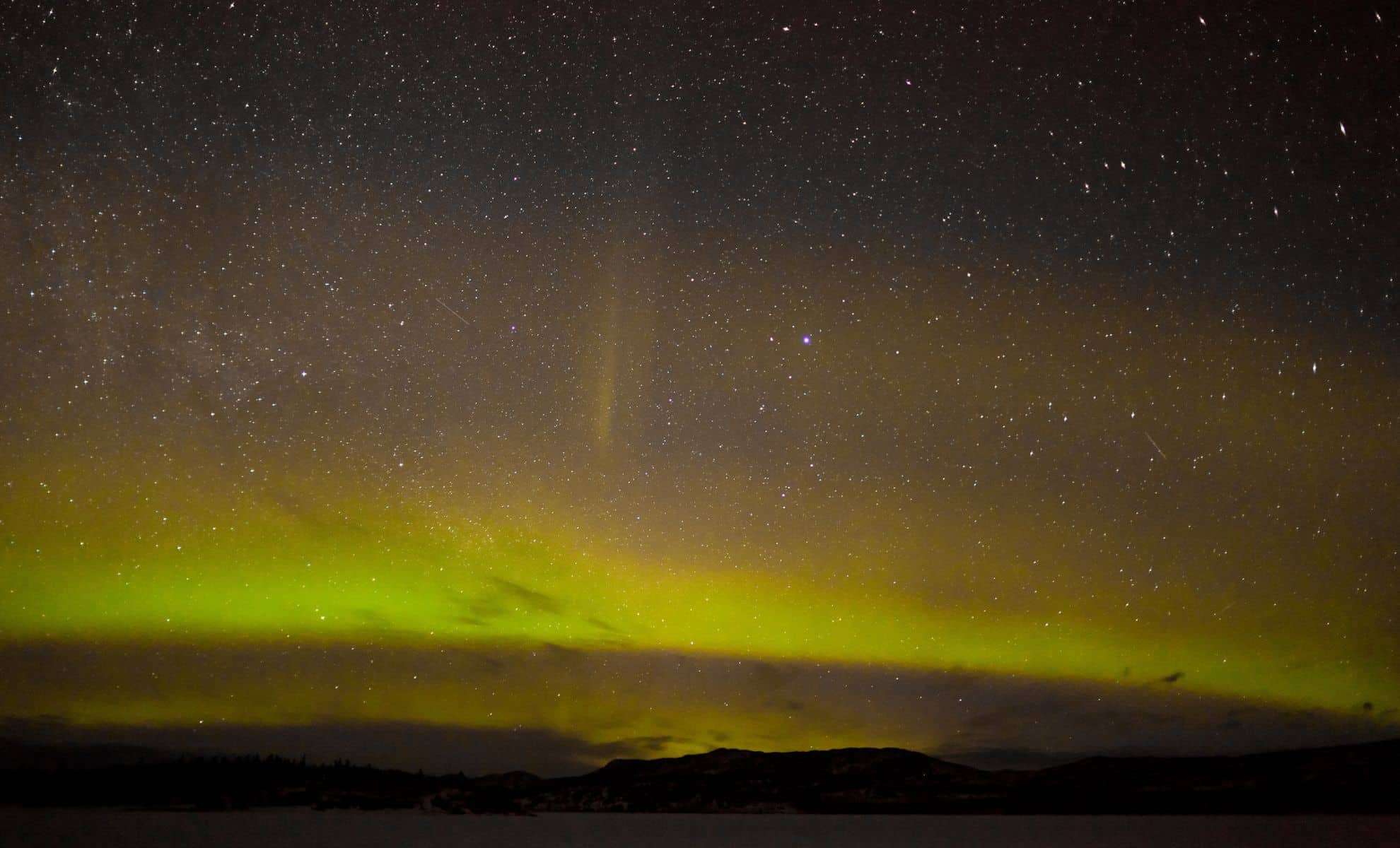
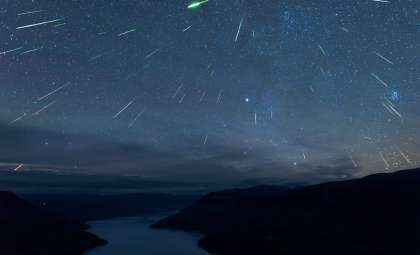
As the season shifts into spring, the nighttime heavens undergo a subtle yet striking change. Winter’s familiar constellations slowly descend toward the western horizon, while fresh stellar arrangements appear in the east and south, offering a dazzling cosmic display.
Joe Rao, a seasoned meteorologist and guest educator at New York's Hayden Planetarium, explains that these changes result from Earth's rotation and orbit, causing stars to rise approximately four minutes earlier each night. By mid-May, stars that once only appeared late at night can be seen right after twilight.
Exploring the Big Dipper and Its Surrounding Stars
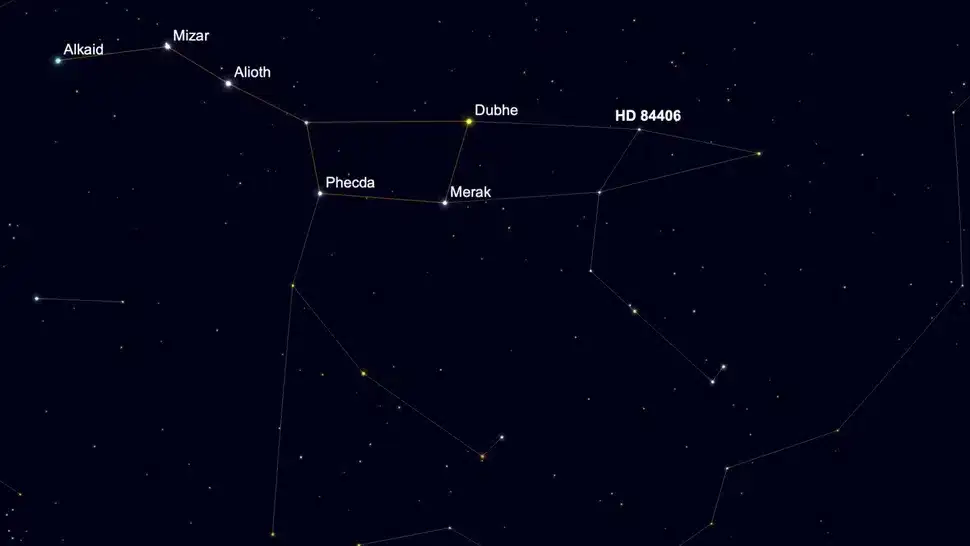
A standout feature of spring's night sky is the Big Dipper, part of the grander Ursa Major constellation, known as the Great Bear. This vast constellation ranks third in size following Hydra and Virgo.

Long ago, ancient Greeks identified the Big Dipper's seven stars as associated with a bear, before the full Ursa Major constellation was recognized. Rao notes Aristotle’s belief that only a bear would occupy the northern skies, which is linked to the origin of the word “arctic” from the Greek term for bear, arctos.
The Big Dipper is also a useful celestial guide. Its “pointer stars”, located on the bowl’s rim, direct observers to Polaris, the North Star, found at the tip of Ursa Minor’s tail. While Ursa Minor is less prominent, its brighter stars, including Polaris and the “Guardians” near its bowl, seem to vigilantly circle the northern sky.
Discovering Leo’s Sickle and Its Brightest Star, Regulus
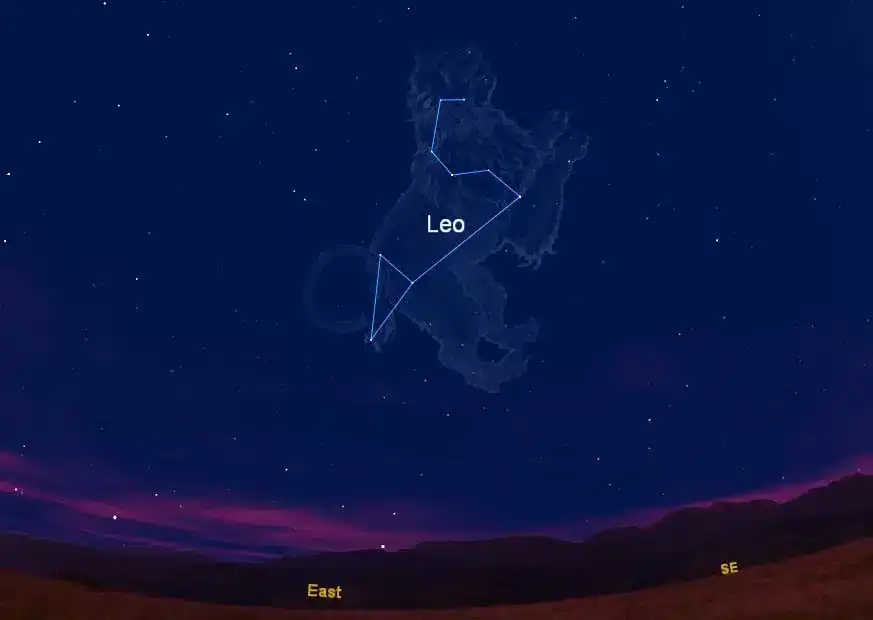
Beyond the Big Dipper lies Leo, another key constellation visible in spring. Its distinctive “Sickle” resembles a backward question mark and outlines the mane and head of the celestial lion. The brightest star in this figure, Regulus, shines with a blue-white light and is situated approximately 79 light years away. Rao points out that the Big Dipper’s pointer stars guide the gaze both to Polaris and to Leo’s hindquarters, highlighted by a triangular cluster of stars.
Following the Big Dipper’s Arc to Arcturus and Spica
By following the curved arc of the Big Dipper’s handle, stargazers arrive at Arcturus, a prominent orange star in the constellation Boötes, the Herdsman. Ranked as the fourth brightest star visible at night, Arcturus sits at about 36.7 light years from Earth and is nearly 25 times wider than the Sun. The surrounding Boötes stars, often described as kite or ice cream cone shaped, complete this engaging celestial formation.
Extending the arc further past Arcturus brings observers to Spica, the brightest star in the Virgo constellation. This first-magnitude, blue-white star lies roughly 250 light years away. Rao shares a remarkable fact: the light currently reaching us from Spica began its journey in 1776, a historic year coinciding with the United States' declaration of independence, and this light will continue to arrive until 2026 — an astronomical milestone.
Spring’s Additional Bright Stars and Planets to Watch
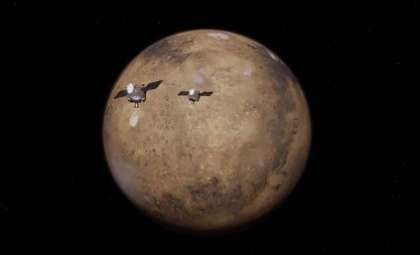
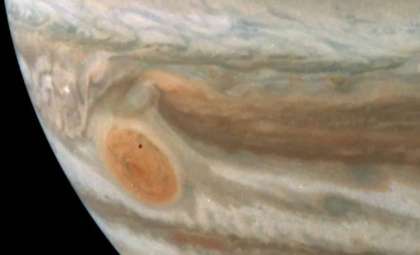
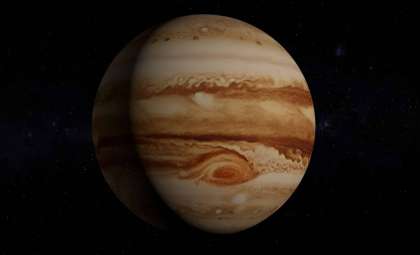
The spring night sky displays eleven bright stars of first magnitude, alongside two planets visible to the naked eye. While Sirius fades in the west-southwest, Deneb rises in the north-northeast. Jupiter remains visible low in the west-northwest for several weeks, and Mars shines higher in the southwest near the stars of Cancer. On June 17, Mars will align closely with Regulus, offering a striking “double star” display featuring contrasting colors.
Joe Rao, contributor to Natural History, Sky & Telescope, and other outlets, encourages skywatchers to revel in these celestial wonders, reminding us that generations before us found meaning and stories in the same timeless star patterns.
- Categories:
- Space





0 comments
Sign in to Comment