
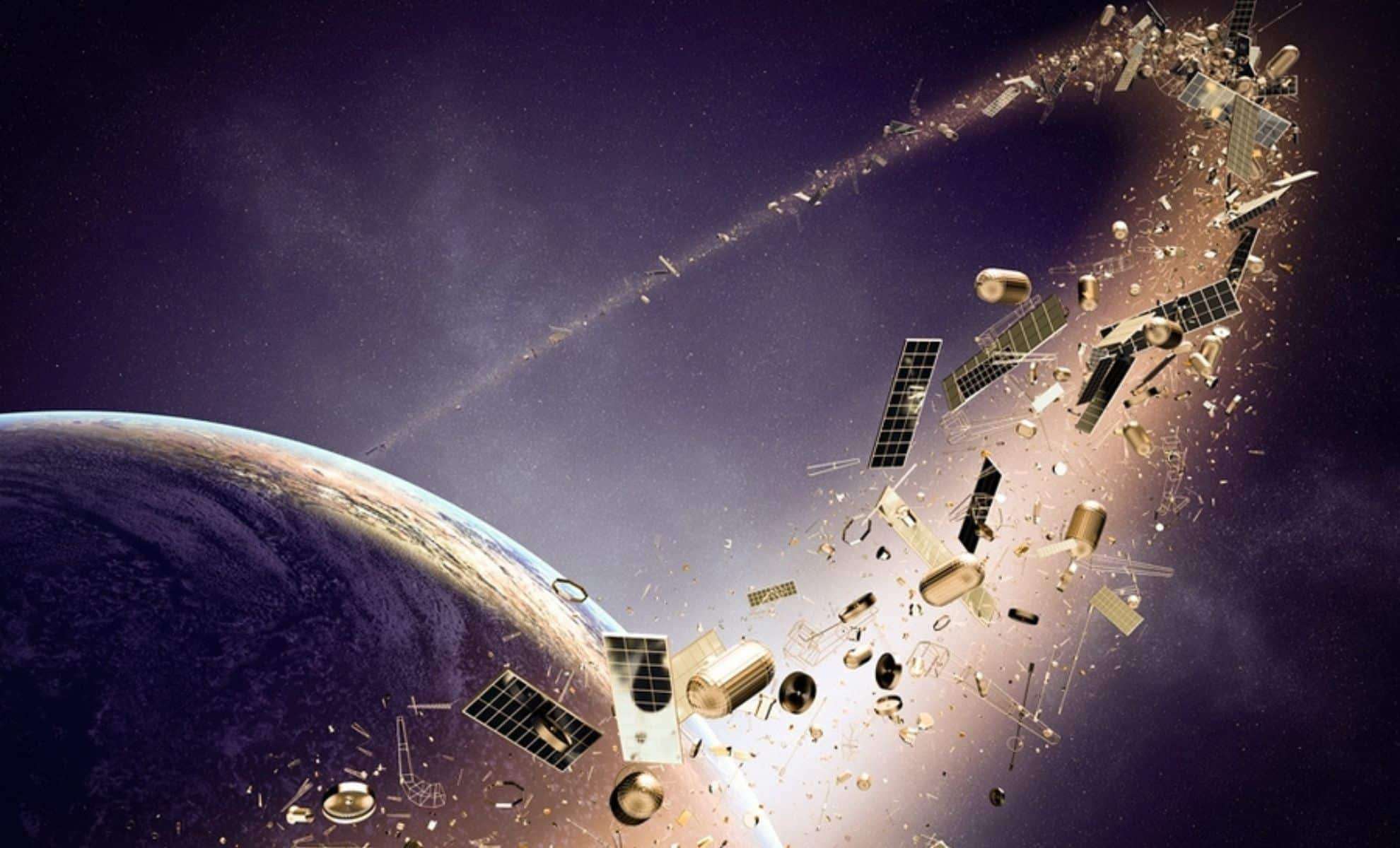
In 1978, NASA scientist Donald Kessler introduced a troubling concept now known as Kessler syndrome, highlighting the dangers posed by the increasing accumulation of orbital debris.
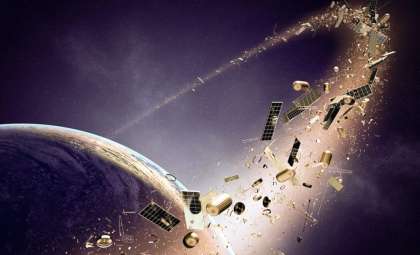
This hypothesis warns that collisions among satellites and space debris could trigger a cascading effect, producing more fragments and exponentially raising collision risks.
A Chain Reaction Threat in Earth's Orbit
Kessler’s hypothesis envisions a scenario where each impact generates additional debris, intensifying the likelihood of further breakups. This spiral of destruction might render launching or maintaining satellites exceedingly hazardous. As space debris specialist John L. Crassidis warns, “The Kessler syndrome is going to come true. If the probability of a collision is so great that we can’t put a satellite in space, then we’re in trouble.”

The fallout from such an event would disrupt essential satellite services that support global GPS navigation, communications, and meteorology, thereby jeopardizing multiple sectors like transportation and food production.
Implications for Everyday Life
Modern travel, especially aviation, heavily depends on satellite-based communication for navigation and timely weather information. Without it, pilots would face greater challenges in safely operating aircraft, particularly under adverse conditions. Crassidis notes, “Without real-time updates from satellites, pilots would face significant challenges flying safely, especially in hazardous weather conditions.” This could severely impede air traffic and cause major economic repercussions.
Rail systems, too, rely on precise satellite tracking to ensure safety by preventing collisions. Loss of satellite reliability would undermine these safeguards, leading to increased risks for travelers.
Strain on Agriculture and Global Food Supply
Satellite technologies are integral to precision farming, enabling farmers to efficiently manage resources such as water and fertilizers. The absence of these tools would force a return to outdated farming practices, likely reducing yields and destabilizing food security worldwide. As Crassidis highlights, “Precision agriculture facilitates cost reduction, increased production, and enhanced ecological sustainability. Without it, global food systems would face severe disruption.”
Threats to Energy and Communication Systems
Kessler syndrome also endangers energy networks, including renewable sources like wind and hydroelectric power, which depend on satellite data for monitoring and control. System failures could trigger widespread blackouts, compelling societies to conserve power and interrupting economic activity.
Particularly concerning are the risks to nuclear power plants, many of which use satellite-based monitoring systems to maintain safety standards. The loss of such real-time oversight heightens the possibility of critical failures.
The Global Consequences of Orbital Debris
While still theoretical, the likelihood of Kessler syndrome escalating grows with each satellite launch and the accumulation of orbital clutter. In his work “Kessler’s Syndrome: A Challenge to Humanity,” Crassidis emphasizes that key global industries—including transportation, energy, and healthcare—could be severely disrupted, leading to an unprecedented global crisis.
The healthcare system depends on satellites for managing the delivery of vital medications. Crassidis warns, “Without reliable access to electricity and transportation, millions of people could lose access to vital medical treatments, leading to widespread fatalities.”
Psychological and Social Fallout
Beyond tangible damages, the loss of satellite-supported technologies could have deep effects on mental well-being. Society’s reliance on digital connectivity for communication and entertainment means a sudden blackout could trigger anxiety, isolation, and social unrest.
Crassidis explains, “Technological innovations have transformed how our minds and bodies adapt to the modern world. A sudden loss of these technologies could have severe psychological consequences.” Such technological collapse might exacerbate mental health crises, adding to the broader threats posed by Kessler syndrome worldwide.
- Categories:
- Astronomy ,
- News ,
- Space ,
- Nasa







0 comments
Sign in to Comment