
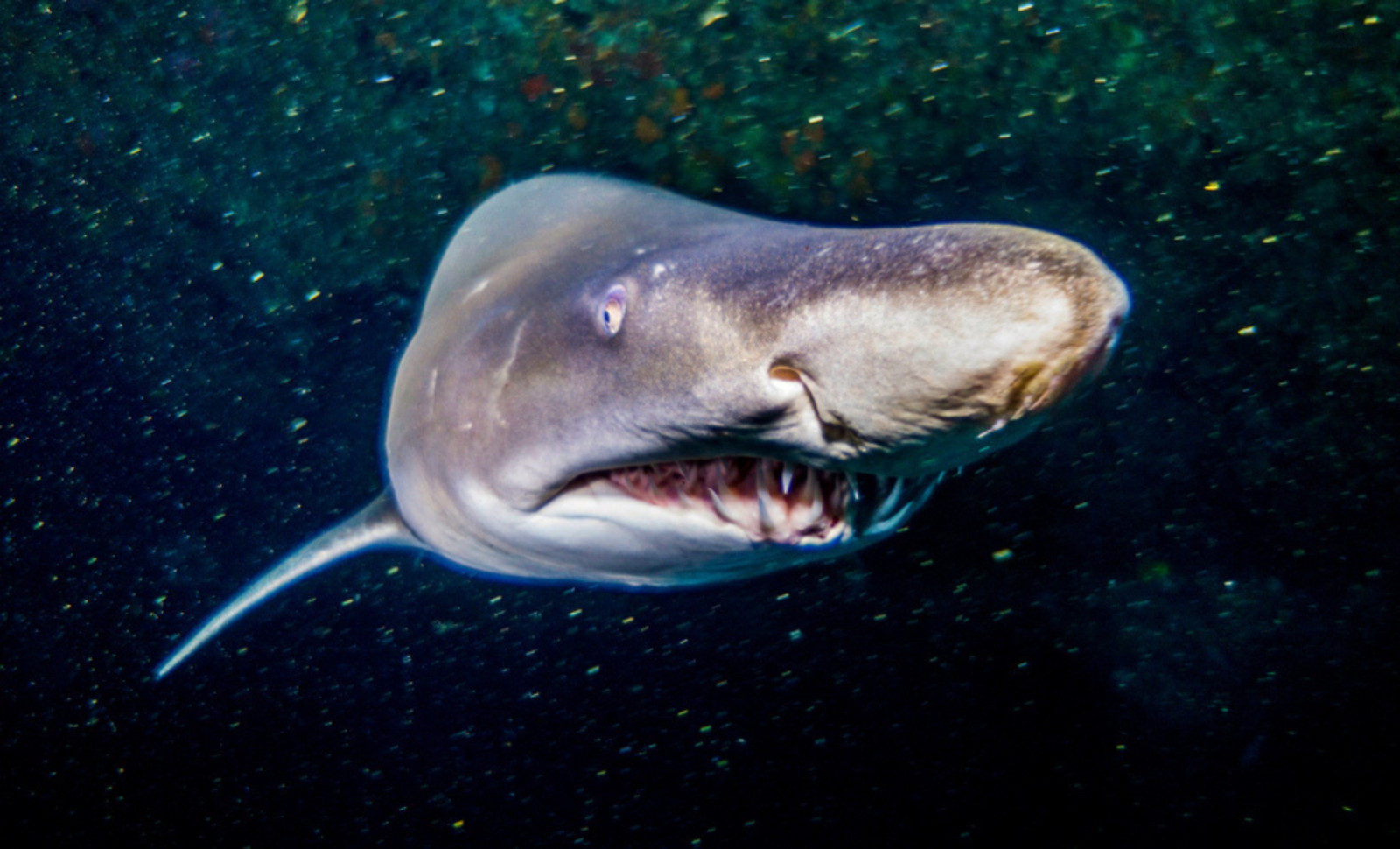
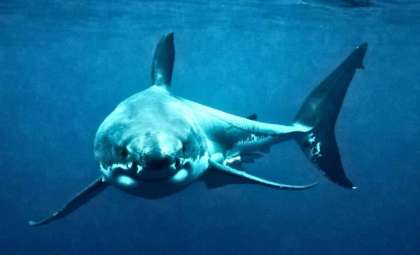
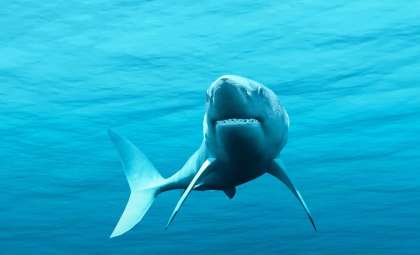
Researchers have documented orcas pursuing great white sharks in three distinct ocean regions, skillfully targeting and removing the sharks’ livers while leaving most of the body untouched.
From August 2020 through October 2023, scientific observations confirmed repeated predatory behavior by killer whales on great white sharks in South Africa, Australia, and Mexico’s Gulf of California, according to a 2025 article in Frontiers in Marine Science. In each sighting, the orcas focused on the sharks’ energy-rich livers, often passing the organ among pod members—including young calves—while other marine scavengers waited nearby for leftovers.
50-Centimeter Injury and Genetic Proof in Australian Waters
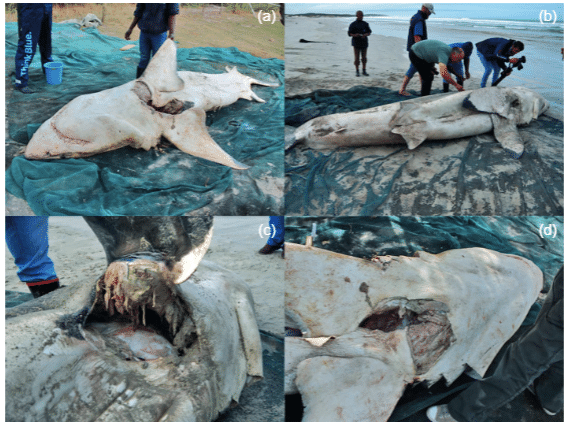
The latest findings emerged in October 2023 near Portland, Victoria, where a 4.7-meter great white shark washed up missing vital organs including its liver, reproductive system, and digestive tract. Forensic tests uncovered a 50-centimeter puncture wound near the pectoral fin matching DNA from local orca pods. This discovery constitutes the first documented orca assault on a great white in Australian seas.

Shortly before, observers reported an orca pod in the vicinity, featuring two known individuals, Bent Tip and Ripple, renowned for their strategic group hunting. The injury patterns aligned perfectly with attacks recorded in other parts of the world, with orcas striking just behind the shark’s front fins—the same method used by their South African counterparts.
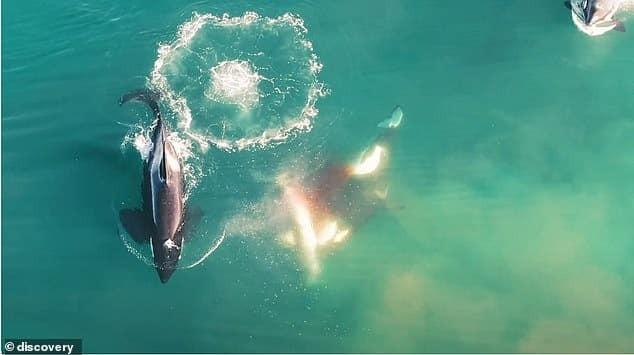
This striking similarity across oceans suggests that this precise hunting method is culturally transmitted within orca groups rather than occurring randomly. The recent Australian event mirrors the surgical extraction tactics observed elsewhere, strengthening the case for orcas’ systematic predation on great white sharks.
Eight Shark Carcasses and Flight Behavior in South Africa
South Africa offers the earliest and most comprehensive data on this interaction reversal. Since 2017, eight stranded great white sharks have been linked to orca attacks. In seven cases, the sharks’ livers were removed with distinctive marks attributable to the same pair of killer whales, as outlined in a 2022 report in the African Journal of Marine Science.
The living sharks’ behavior reflects a dramatic response. Tagged individuals immediately flee when orcas are spotted, sometimes vacating territories they once frequented for months at a time. A NISC news summary quoted lead scientist Alison Towner describing this as a large-scale avoidance.
Towner likened the sharks’ escape behavior to how wild dogs in the Serengeti avoid lions. Alternative causes like shifts in temperature or prey availability were considered but dismissed as explanations for the abrupt disappearance starting in 2017. The sharks appear to have simply vacated and have yet to return fully.
Introducing the Moctezuma Pod in the Gulf of California
Mexico’s Gulf of California has yielded the most detailed insights into orca hunting techniques, with a particular pod repeatedly preying on young great whites. On August 15, 2020, scientists observed five female killer whales targeting a juvenile great white about 2 meters long, comparable in size to a compact car. The pod was composed of four younger females and one adult female.
Video evidence shows the orcas flipping the shark onto its back, a behavior called tonic immobility that temporarily disables the shark’s movements and bite reflex. After immobilization, the whales focus on the area near the shark’s front fins to extract the liver.
The recording also reveals cooperative sharing of the liver—one female held the two-lobed liver in her mouth, passed it to another, and then to a third. Meanwhile, a California sea lion attempted to snatch bits away, but the orcas expelled bubbles to deter the intruder and resumed their feeding undisturbed.
Returning Hunters: The Same Orcas Year After Year
On August 3, 2022, researchers witnessed another attack in the same Gulf of California region. This time, the pod consisted of an adult male, an adult female, two younger females, and a calf. Video footage shows the adult female surfacing with the shark visible in her mouth, its exposed liver evident.
Scientists tracked the orcas by their unique dorsal fin notches and scars, discovering that the same females had been documented hunting rays in 2018 and bull sharks in 2022. They designated this group as the “Moctezuma pod” after the adult male.
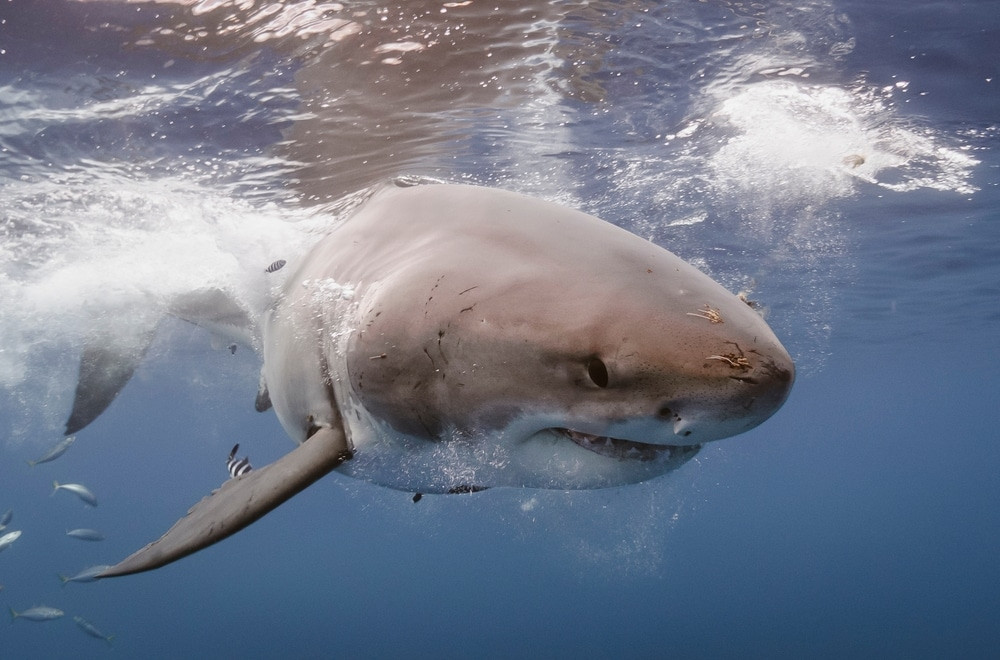
According to the lead author Jesús Erick Higuera Rivas, the study in Frontiers in Marine Science confirms that these whales are related or belong to the same social group. It represents the inaugural account of orcas preying on juvenile great whites in Mexican waters and only the second worldwide. The pod’s return to nearly identical locations two years apart implies this behavior is both seasonal and culturally learned.
Why Juvenile Sharks Are Vulnerable
Great white livers are exceptionally large, comprising up to 25% of their body weight, and are packed with squalene oil, which offers a high-calorie reward. For killer whales, a single shark liver is a nutritious meal that requires minimal effort.
Adult great whites have learned to recognize orca predation zones and vacate them promptly—a phenomenon known as a “fear-induced mass exodus.” However, juvenile sharks, mostly gathering in nursery sites, may not have acquired this knowledge, increasing their risk.
Female great whites habitually return to the same nurseries to give birth, unknowingly placing pups in areas frequented by hunting orcas. These juvenile sharks, concentrated in sites like Gansbaai and Mossel Bay in South Africa and near Cabo Pulmo National Park in Mexico, face heightened susceptibility.
Implications for Great White Conservation
Great white sharks already confront threats from fishing bycatch, direct hunting, and slow reproductive rates, as females take over a year to produce offspring. The emergence of a sophisticated predator like the orca could further hinder population recovery.
Authors of the Frontiers study warn that orca predation may impose significant additional pressure on white shark populations. Warming seas pushing juvenile sharks into new habitats where orcas hunt make it crucial to monitor whether sharks will adapt or continue to evade these predators.
- Categories:
- News







0 comments
Sign in to Comment