
An archaeological dig in western Germany has revealed the medieval village of Echene, a settlement lost to history for approximately 600 years. Previously known only from historical documents, the town’s location was confirmed through discoveries including building foundations, pottery shards, and a stone cellar near Borgentreich.
For centuries, Echene existed solely as a name in old manuscripts. Although frequently mentioned in medieval records, its precise location remained a mystery until it vanished entirely from archives after the 15th century.
Recently, archaeologists uncovered physical evidence of this hidden village during preparatory work for a new wind turbine project.*

A Long-Forgotten Village Revealed Beneath Agricultural Land
Echene’s story dates back over a millennium, with the earliest known documentation appearing in 944. It continued to be cited throughout the Middle Ages, with the last recorded mention in the 1400s. Afterward, references ceased, leaving historians puzzled.
According to Sven Spiong, head of the Regional Association of Westphalia-Lippe (LWL) Archaeology, the settlement simply “fell into oblivion.” Despite a nearby field named “Echelen” that may echo the long-lost town’s name, no definitive link was established.
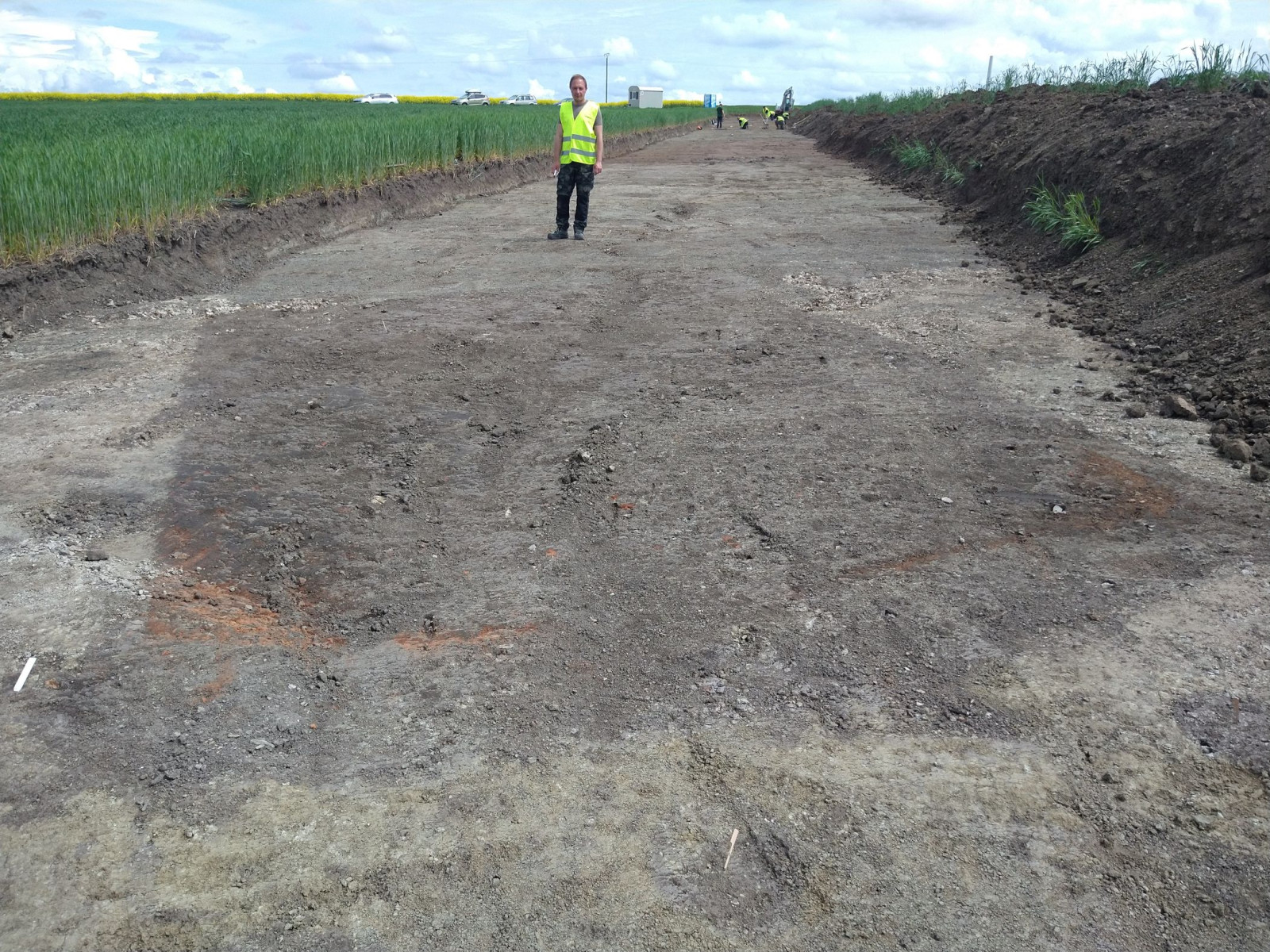
The situation changed when archaeologists examined a stream valley southwest of Borgentreich during surveys preceding power line construction. Underneath, they found traces consistent with the settlement historians sought: the remnants of a medieval community lying just beneath the surface.
Unearthing Homes and Ceramics from the Past
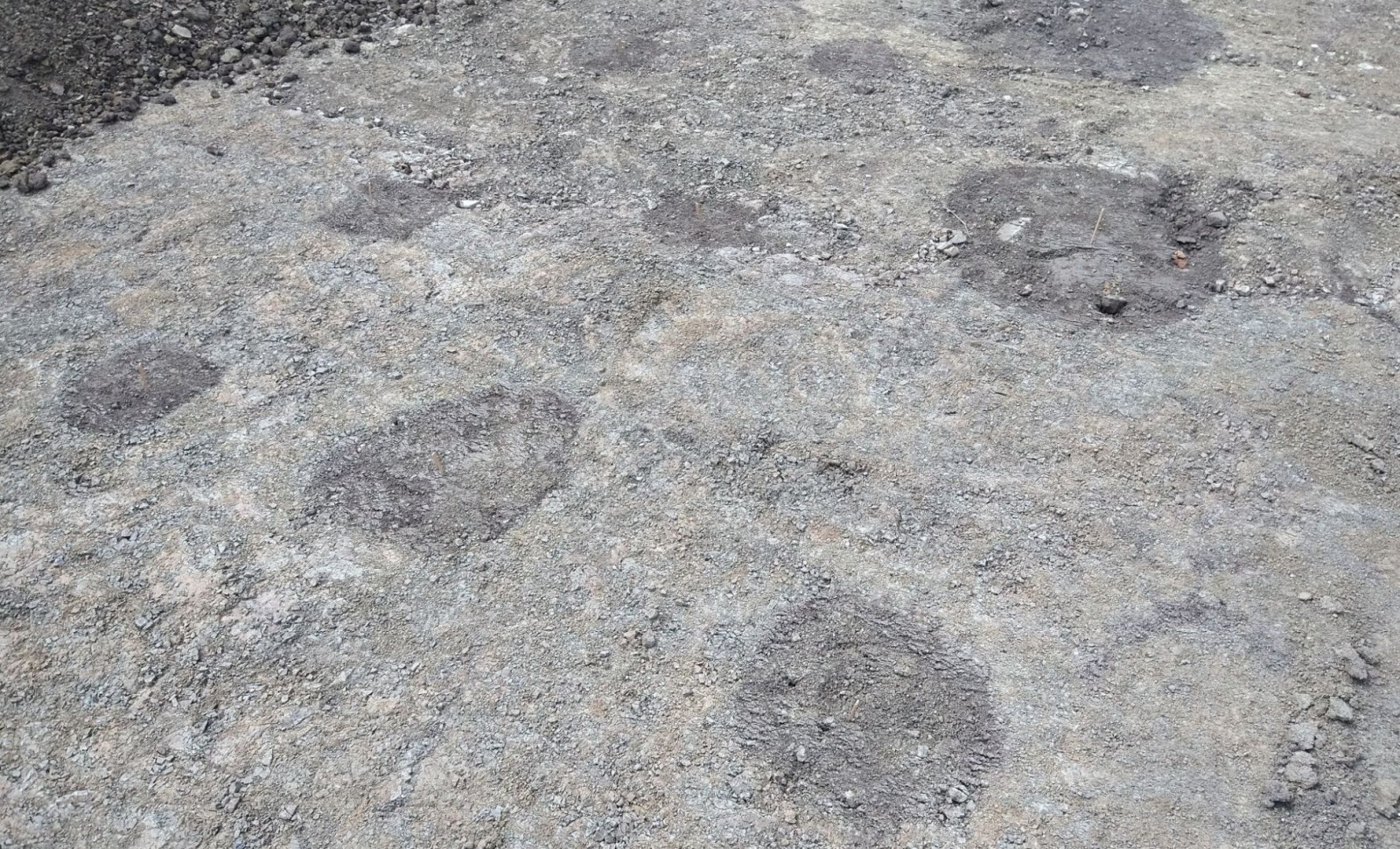
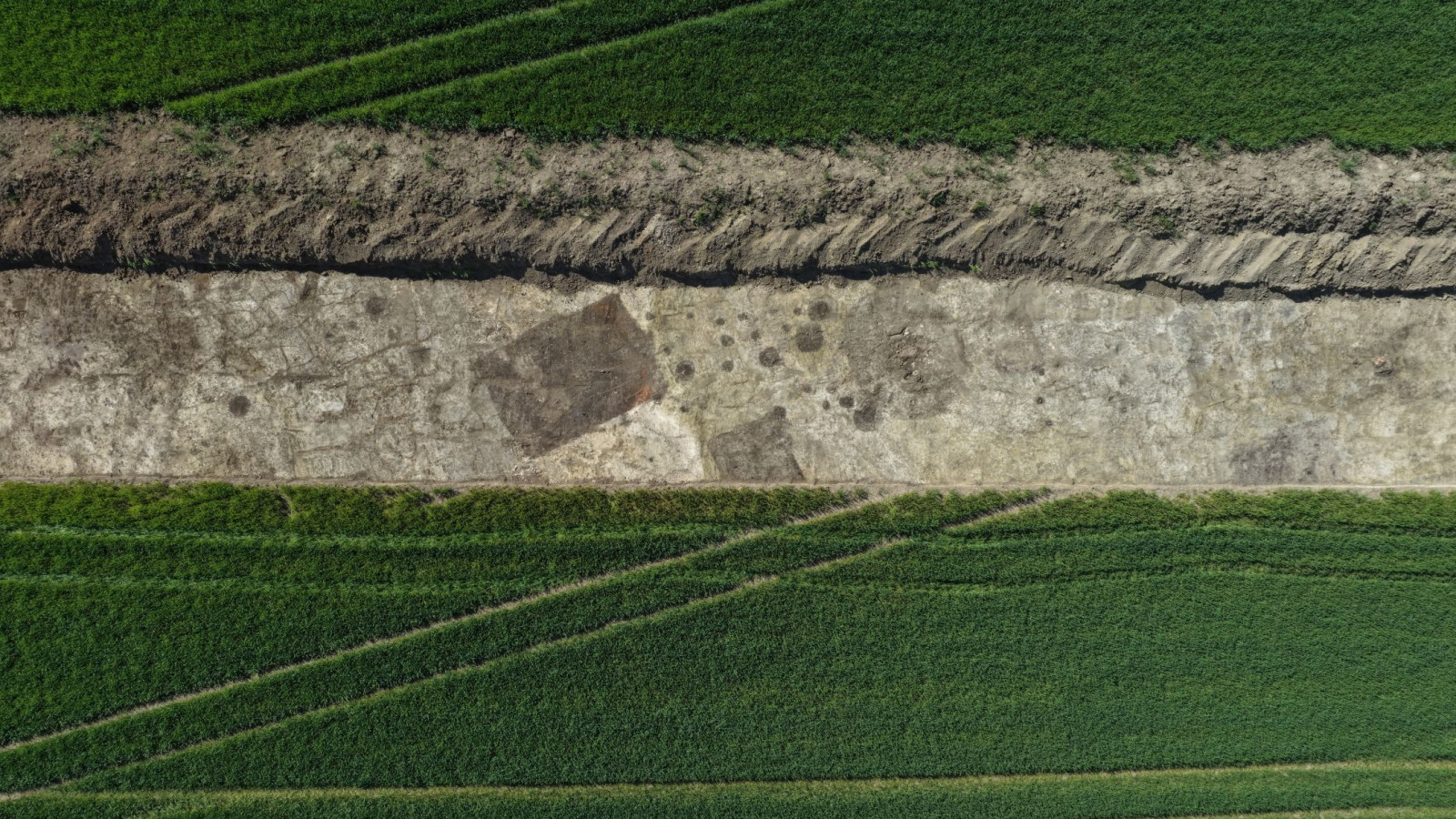
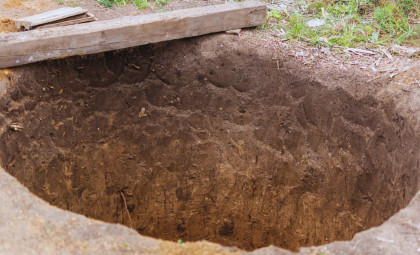
As detailed in a translated announcement, the investigation exposed evidence of daily medieval life. Excavators located multiple postholes that once held up wooden buildings, mapping parts of the town layout.
Some timber homes uncovered were notably expansive, with the largest structures measuring up to 65 feet long.
Smaller buildings were scattered around the site as well, including outbuildings approximately 10 by 13 feet in size. Pottery shards dating back to the 10th and 11th centuries helped researchers establish the settlement’s era.
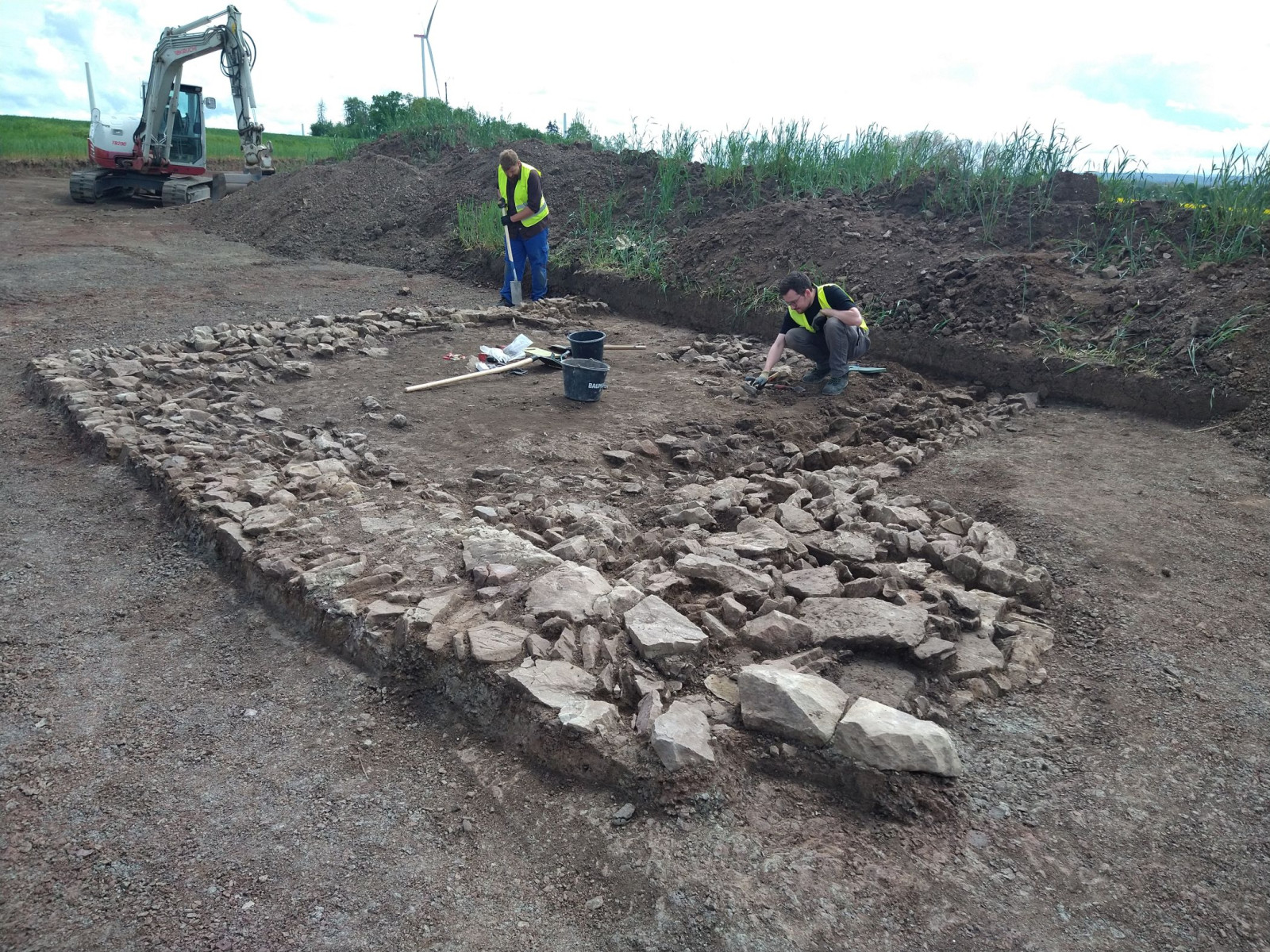
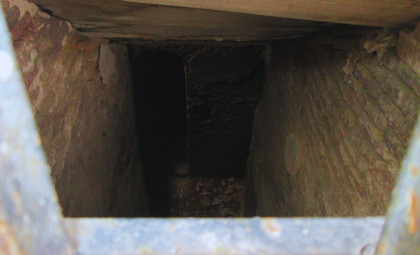
A remarkable find was a stone cellar with a north-facing entrance, discovered by archaeologist Normen Posselt. This feature illustrates shifts in local construction styles while retaining timber-based architectural traditions, according to LWL Archaeology.
“The discovery of this medieval site demonstrates once again the richness of the history that still lies beneath our feet. Such discoveries are not only of great importance for archaeology, but also for the identity of our region and its inhabitants,” noted Mayor Nicolas Aisch.
Medieval Communities Shaping the Terrain
During the Middle Ages, this area featured numerous small villages situated near critical water sources and farmland. The project’s researchers emphasize that settlements were commonly placed alongside streams or springs because access to water was essential for both people and their animals.
“The landscape has been characterized by a multitude of small hamlets of this type since at least the 10th century, which, notably, were always located near watercourses or around a spring,” said the authors adding that fertile land nearby made these locations even more attractive.
The village uncovered was also close to other historic settlements. Borgentreich itself evolved into a fortified town by the 1280s and likely coexisted with Echene at some point.
Less than one mile to the south lies another deserted medieval site, thought to be Broktrup, inhabited from the 9th to 14th centuries, based on previous excavations from the 1980s.
Experts suspect Echene extended across both banks of the local stream; however, to date, digs have only been conducted on one side, so a portion of the settlement may still be buried underground.
- Categories:
- Science






0 comments
Sign in to Comment