
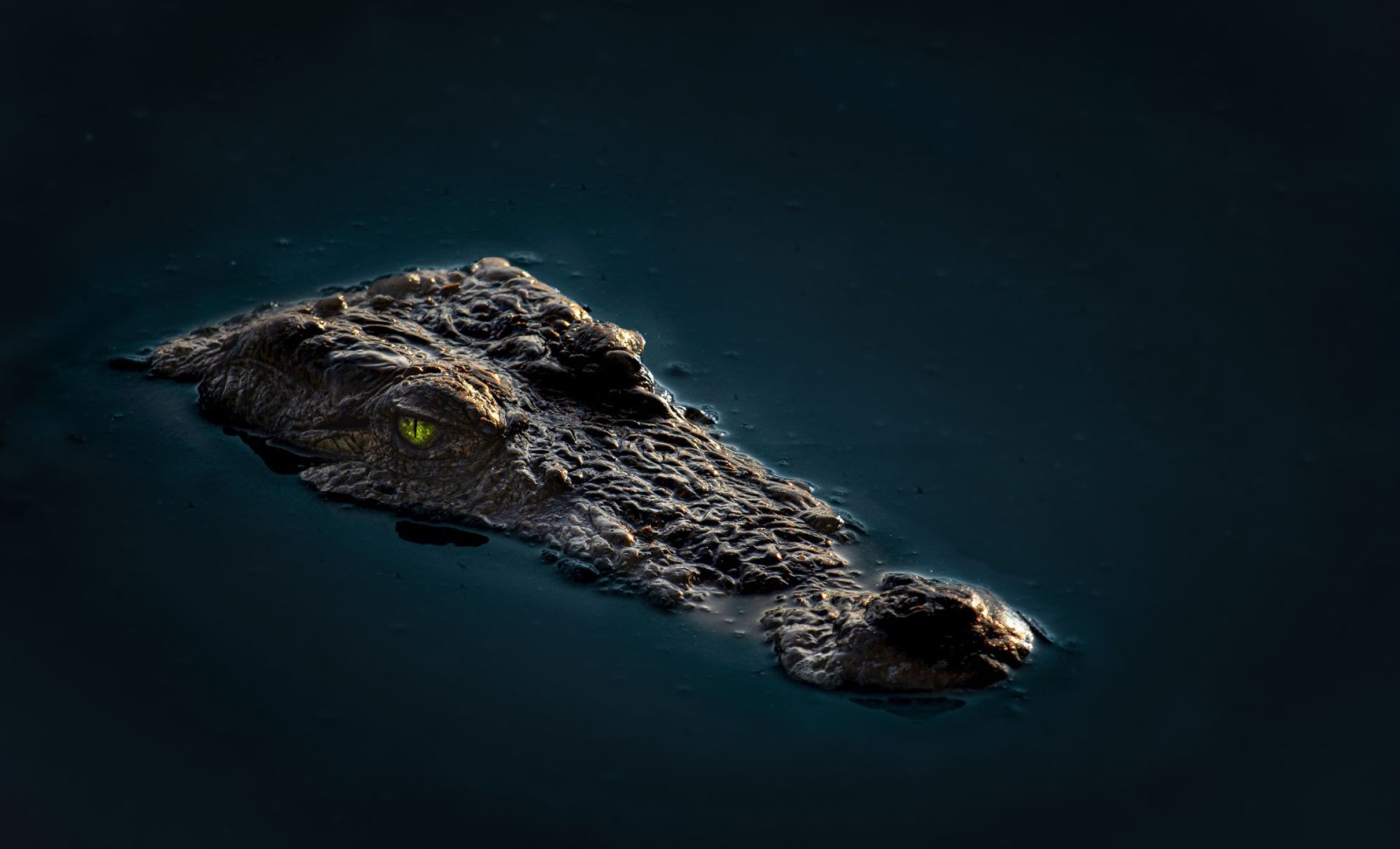
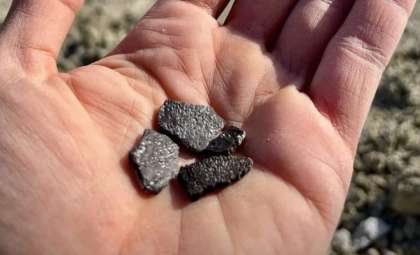
Deep within ancient clay deposits near the small Queensland community of Murgon, researchers have unearthed Australia’s most ancient crocodile eggshells, estimated to be approximately 55 million years old. These fragile remnants come from an extinct lineage of crocodilians and represent the first fossilized crocodile eggshells ever discovered on Australian soil.
Detailed in the Journal of Vertebrate Paleontology, this revelation fills a significant gap in the continent's prehistoric record. It confirms that these aquatic reptiles inhabited what was once a lush, swampy environment.
Although Murgon hosts a population under 2,000 and is situated on Wakka Wakka Country, it has emerged as a vital site for fossil finds. As highlighted by The Conversation, this quiet Queensland locale has previously yielded extraordinary ancient discoveries, and now, fossilized crocodile eggs have been added to its noteworthy list.

Beyond Just Crocodiles: A Unique Ancestry
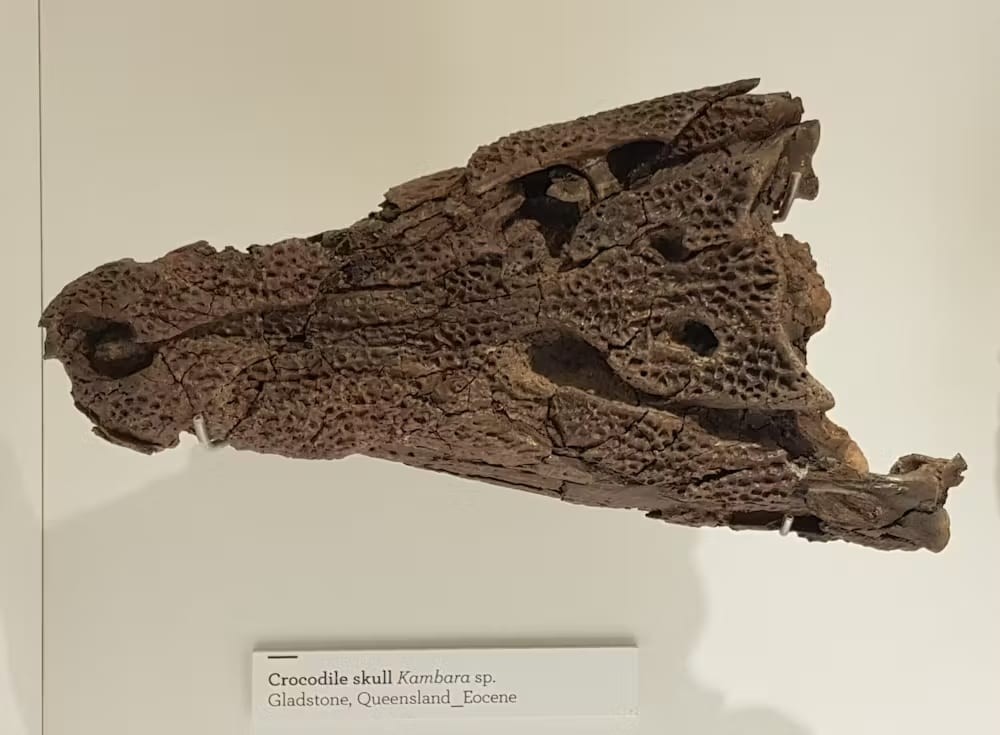
The eggs have been attributed to the genus Kambara, a type of prehistoric crocodile species that could grow up to two meters in length and likely preyed on fish and softshell turtles. However, the key importance lies not in its diet but its evolutionary connections.
Research findings indicate that Kambara belonged to the mekosuchines, a crocodile group now extinct and exclusive to Australia. Modern crocodilian species only appeared about five million years ago, whereas mekosuchines dominated the continent millions of years earlier.
“We know we’re looking at the oldest crocodile eggshells certainly in Australia … the Kambara mekosuchines are the first ones we know of this whole group,” said study co-author Professor Michael Archer, a palaeontologist at the University of New South Wales.
Fossil records reveal that mekosuchines exhibited a diverse range of forms and sizes. Some scientists speculate they might have even been arboreal.
“The idea of ‘drop crocs’ isn’t as crazy as it sounds. We probably did have crocodiles that were spending time in the trees and jumping out on prey,” Archer explained.
Although controversial, this hypothesis is supported by the distinctive structure of their skulls, highlighting the extraordinary traits of these ancient reptiles.
Insight Through Microscopic Analysis
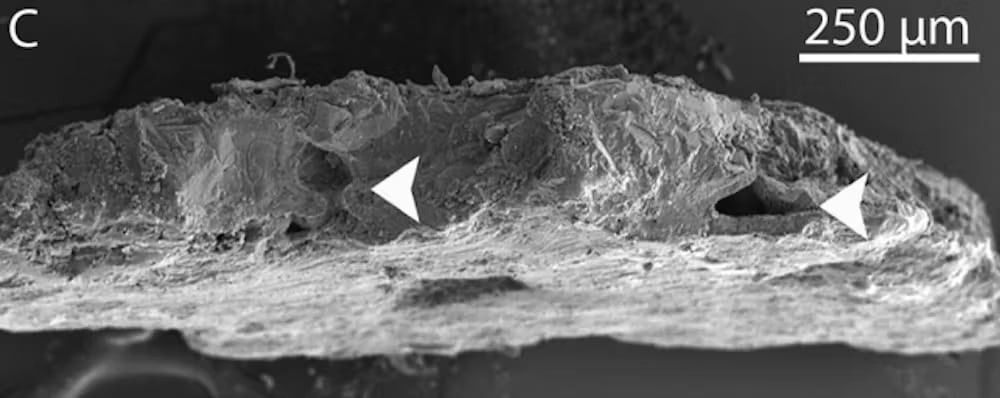
Initially excavated by Henk Godthelp and Michael Archer, the eggshell fragments came into focus when Xavier Panadès I Blas from the University of Barcelona examined them through high-powered microscopy.
Despite their great age, the fragments retained distinct microstructural details — fine, elaborate patterns unlike those found in modern reptile eggs. According to The Conversation, this prompted the introduction of a new eggshell category, Wakkaoolithus godthelpi, a classification unique to this discovery.
Because fossilized eggshells are exceedingly scarce, especially from crocodiles, comparative samples remain limited. Regardless, this finding paves the way for fresh scientific inquiries.
“We still do not know what the relationships of this group of crocodiles is to all the other crocodiles of the world. All we do know is that when the salt and freshwater crocodiles did get into Australia … that was the beginning of the end for this particular group.”
Eggshells Revealing a Bygone Ecosystem
Besides their microstructure, the preservation state of the eggshells reveals minimal bacterial erosion, an uncommon occurrence given crocodiles usually lay their eggs in moist, organic-rich nesting sites. This possibly indicates the nests experienced drier intervals within a landscape dominated by seasonal wetlands.
This evidence paints a picture of Murgon’s environment 55 million years ago as a dynamic climate with alternating wets and dries. As aridity expanded in central Australia and prey dwindled, these ancient crocodilians faced shrinking habitats until their extinction. Their legacy now endures solely through scattered bones, isolated teeth, and these rare fossilized egg fragments.
- Categories:
- Science



0 comments
Sign in to Comment