
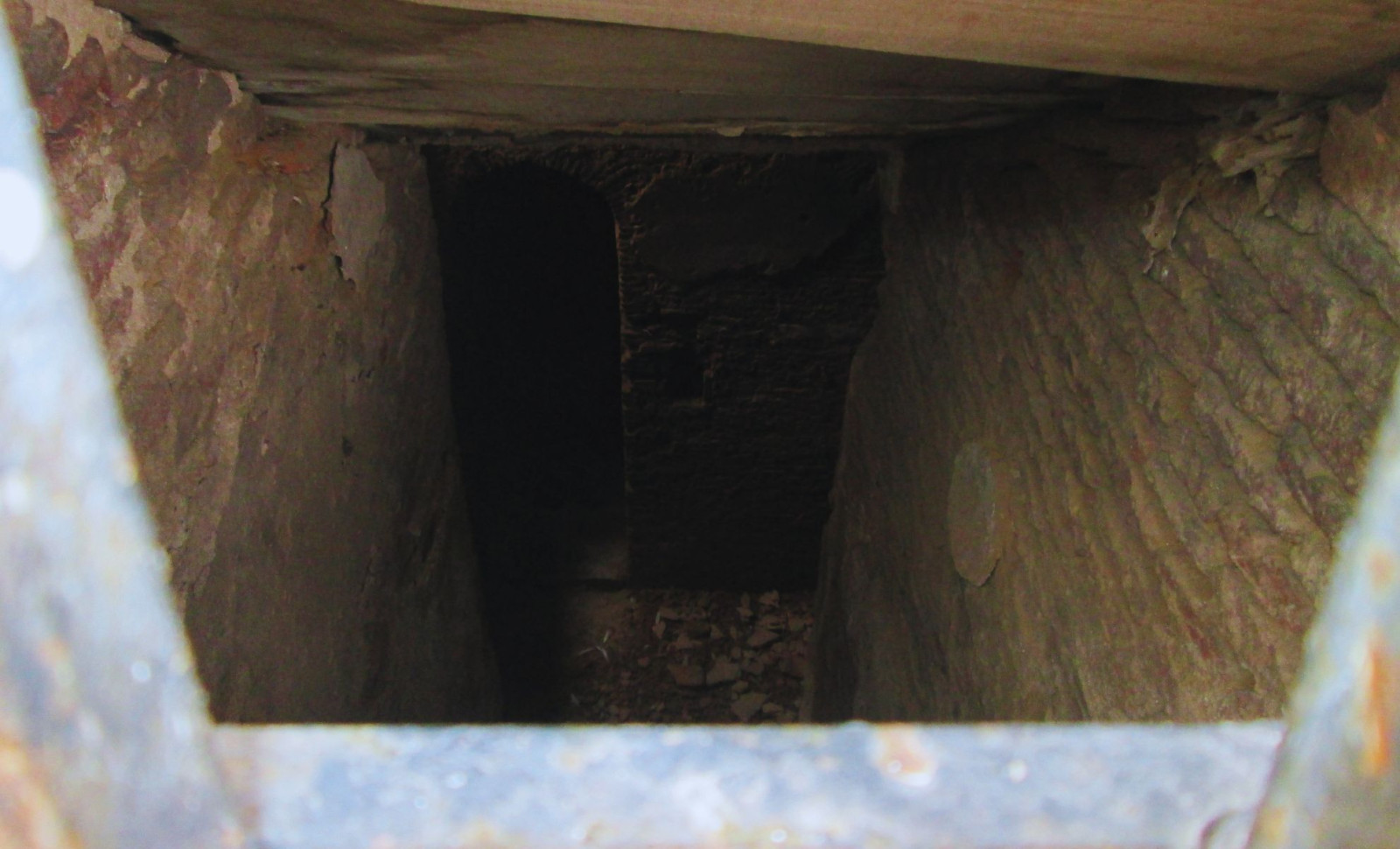
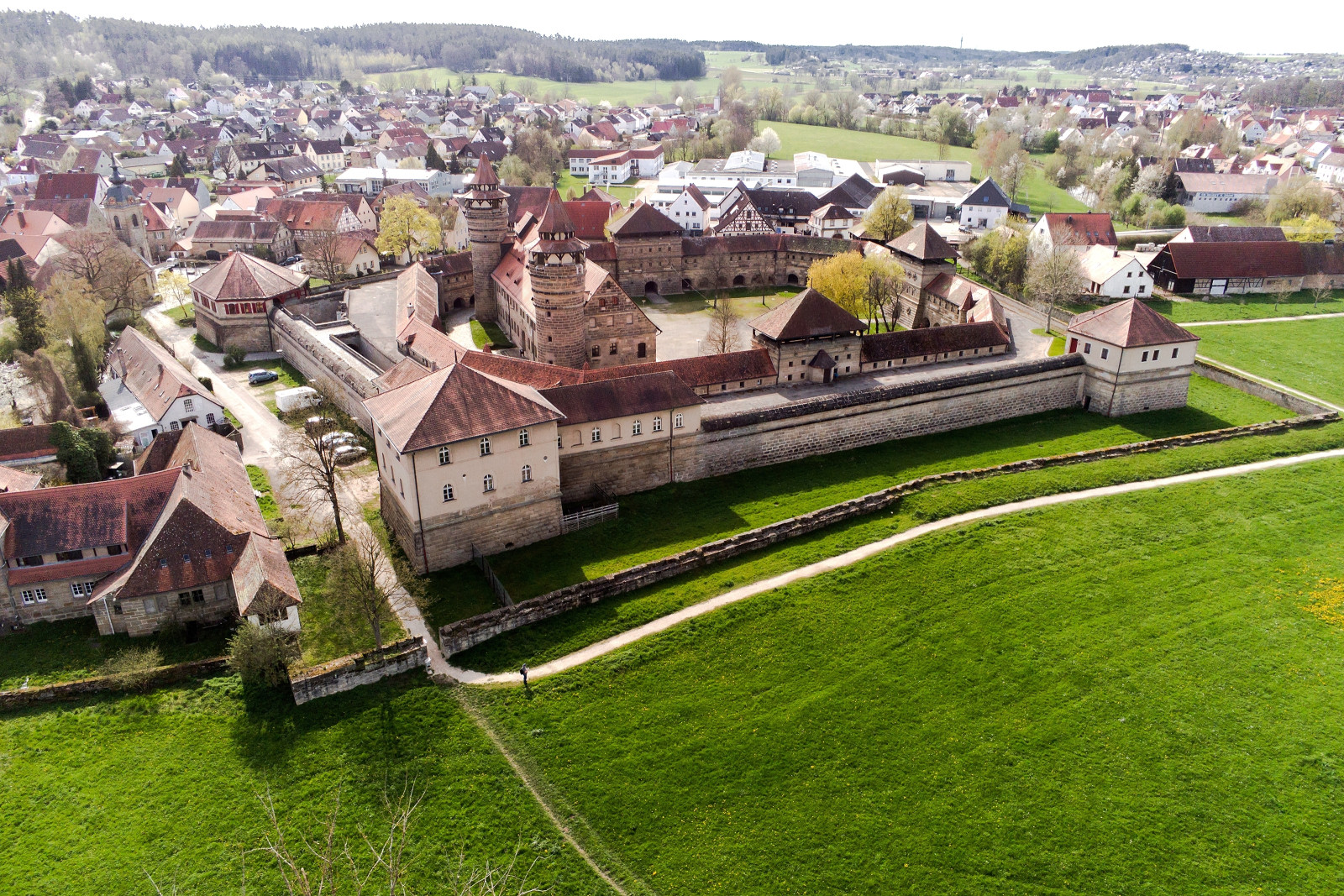
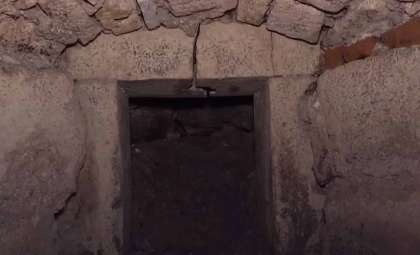
An underground vault dating back roughly 700 years has come to light beneath the quaint town of Lichtenau in Germany. The chamber’s original function remains a mystery. Located in the historical core of North Rhine-Westphalia, near the centuries-old Castle Lichtenau, this hidden structure was found underneath streets established in the early 1300s. Despite prolonged urban development over the centuries, the site stayed concealed until recent archaeological efforts uncovered it.
This revelation reveals how remnants of medieval society can still be discovered below contemporary towns. Experts involved in the dig describe the vault as spanning over 1,000 square feet, marking it as a noteworthy and uncommon architectural feature in the region.
An Expansive Vault Hidden Beneath a Historic Thoroughfare
The vault was located beneath Lange Straße, a key street originating in 1321. Its scale and placement immediately differentiate it from usual subterranean discoveries. Archaeologists and representatives from the Westphalia-Lippe Regional Association emphasize the excellent state of preservation, especially considering the area above has been in constant use.

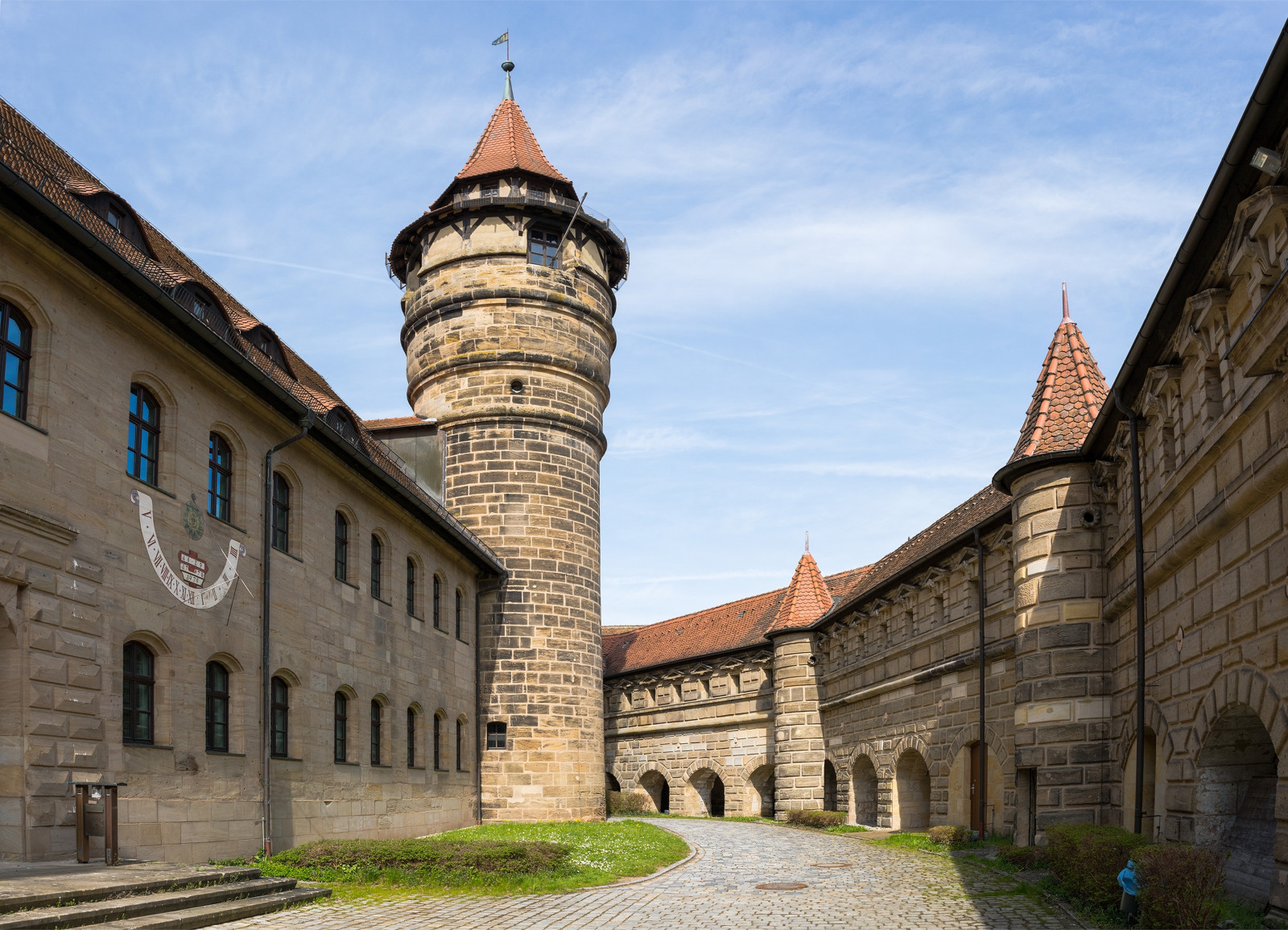
The vault’s survival beneath numerous construction layers prompts curiosity about how such a large cavity remained untouched for so long. Positioned centrally in town, it likely held significant importance, though its precise role remains to be determined.
Possible Functions: Storage, Crafting Space, or Forgotten Foundation
Several hypotheses are under consideration. The simplest theory is that the chamber served as a storage cellar, typical in medieval urban settings for preserving food, wine, and other commodities in stable, cool conditions.
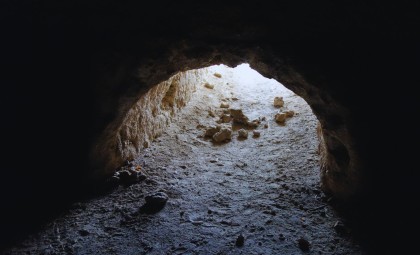
Alternatively, the vaulted space might have functioned as a workshop for craftsmen dealing with materials sensitive to temperature changes. Investigations are ongoing into whether it was part of a larger, now-lost complex, which would clarify its grand scale and prominent placement within the town.
Late Medieval German Violence: More Intense Than Previously Recognized
The era of this chamber falls within a tumultuous period characterized by intense feudal battles throughout Germany. A study published by Cambridge University Press outlines that from around 1350 to 1550, noble rivalries frequently escalated into violent conflicts impacting civilian communities.
Historian Tristan Sharp notes these feuds often involved raids and destruction, sometimes predictably. One documented case recorded a military leader warning civilians that wandering outside city walls could lead to capture and mistreatment.
- Categories:
- Science









0 comments
Sign in to Comment