
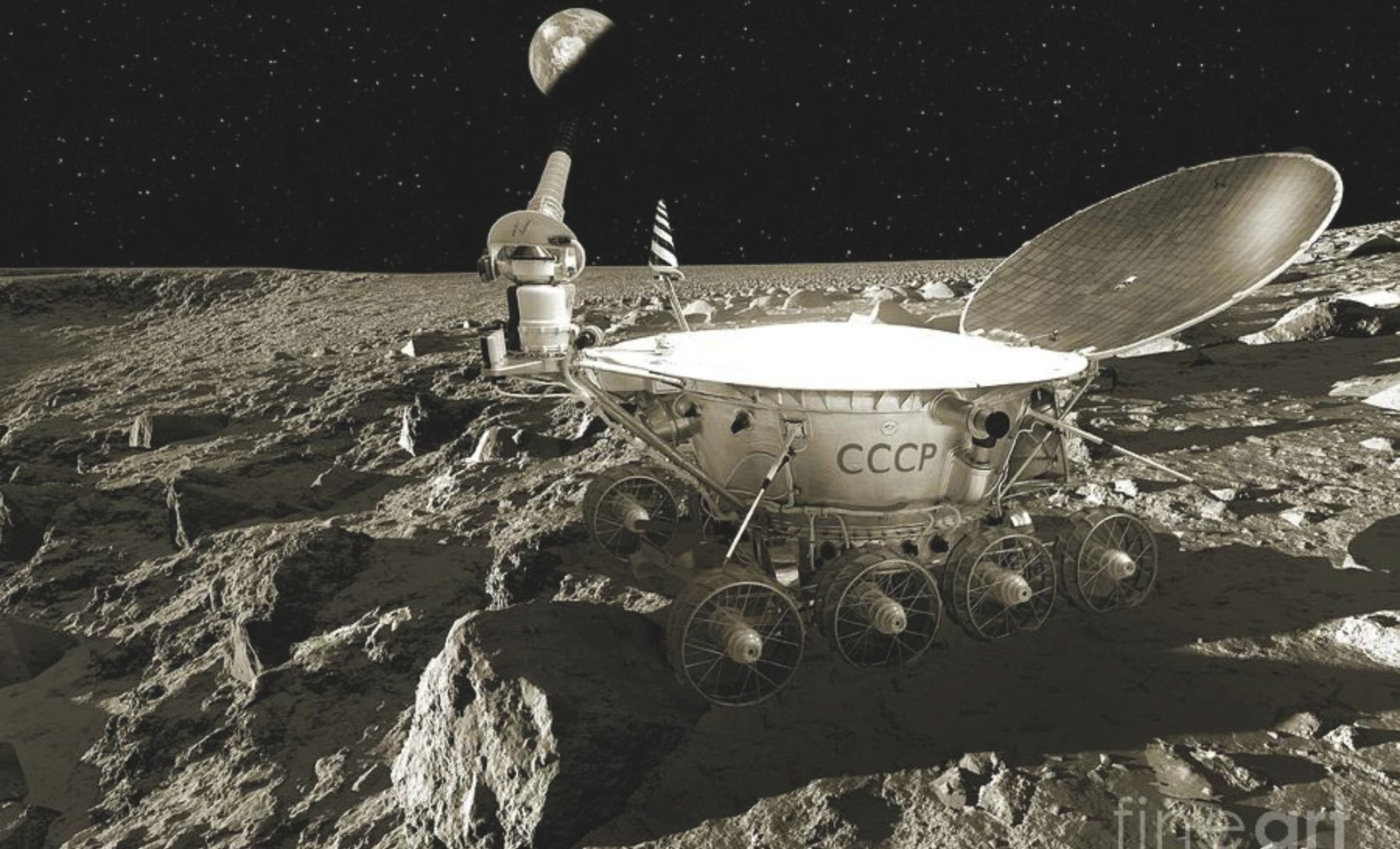
For close to 40 years, Lunokhod 1 was neither destroyed nor erased from history in the conventional sense. The Soviet robotic rover had simply become impossible to pinpoint accurately enough for scientific investigation. That changed in 2010 when scientists successfully located its precise site and detected its laser reflector, reigniting its role in lunar studies.
The rover itself never powered up again. What reactivated was its passive retroreflector, still capable of bouncing laser signals back to Earth despite decades of silence.
Lunokhod 1 landed on the Moon aboard the Soviet Luna 17 spacecraft on November 17, 1970, marking the first time a remote-controlled vehicle operated on another celestial body. Although designed for a limited mission duration, it functioned through 11 lunar day-night cycles until all communications ceased in 1971.

A French-made laser retroreflector was installed on the rover—a device that required no power source to reflect light pulses sent from Earth. Even after the rover's shutdown, this component maintained its function, but the difficulty was that its final resting place remained unknown.
Mission Concluded, Yet One Instrument Endured
Exploring Mare Imbrium, the rover traveled roughly 10.5 kilometers before operations stopped.
According to data shared by the Lunar Reconnaissance Orbiter Camera team, attempts to communicate ceased as the lunar night began on September 14, 1971, with the mission officially ending on October 4.
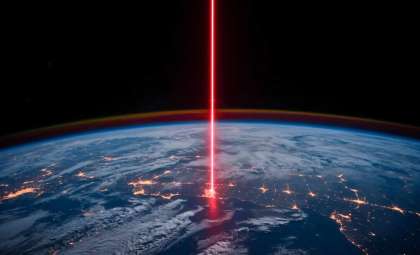
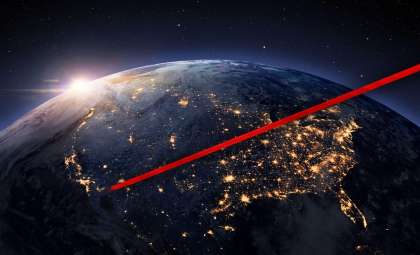
Lunar laser ranging involves sending laser pulses from Earth to the Moon and timing their return after reflection. This round-trip takes about 2.5 seconds, allowing scientists to track minute variations in the Earth-Moon distance and analyze lunar motion.
Unlike the reflectors left by the Apollo missions, which were placed in fixed, well-mapped spots, Lunokhod 1 traversed the lunar terrain, complicating efforts to determine its last position. Tom Murphy, a physics professor at UC San Diego, explained:
“We routinely use the three hardy reflectors placed on the moon by the Apollo 11, 14 and 15 missions, and occasionally the Soviet-landed Lunokhod 2 reflector, though it does not work well enough to use when illuminated by sunlight. But we yearned to find Lunokhod 1.”
High-Resolution Orbital Photos Reveal the Rover’s Location
The breakthrough came nearly four decades after the mission.
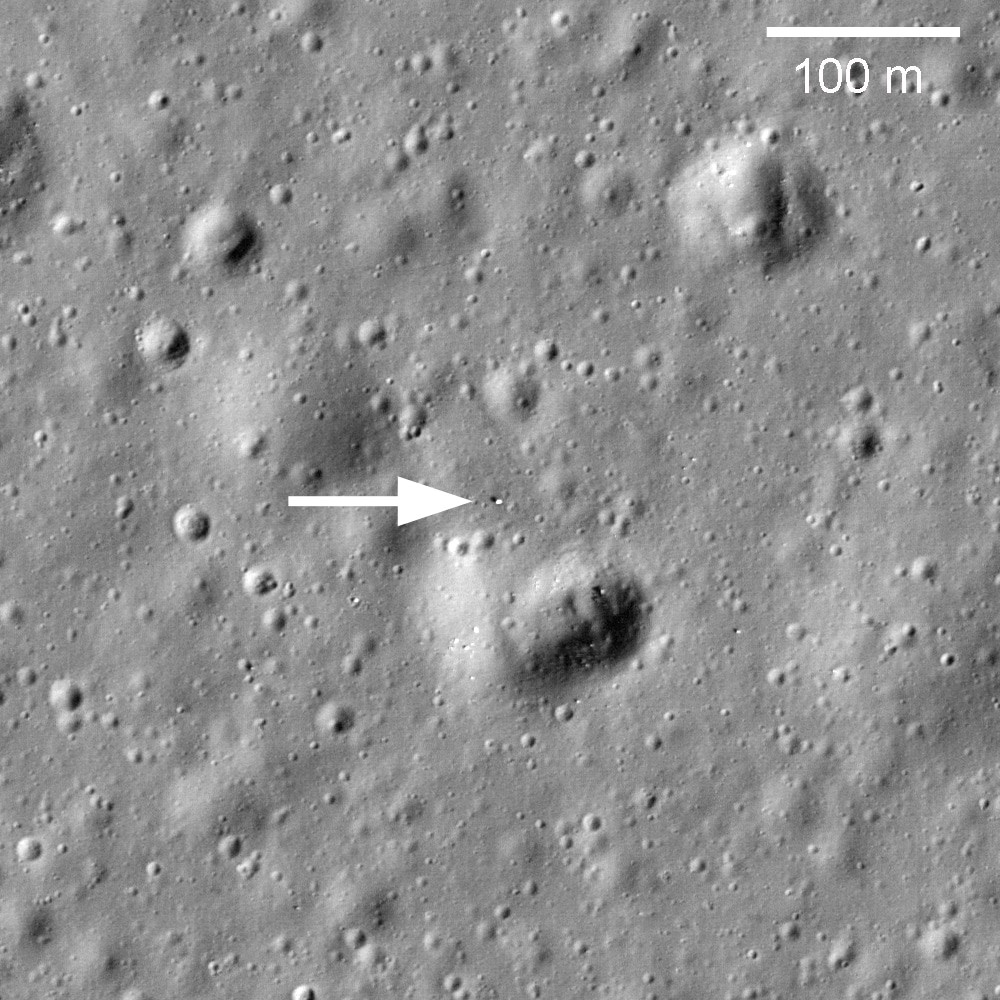
Using advanced imaging from the Lunar Reconnaissance Orbiter (LRO), scientists successfully pinpointed the rover and its landing module’s precise position on the Moon.
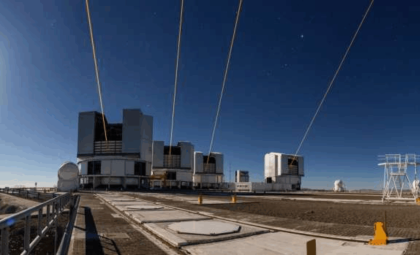
Armed with this fresh data, researchers at the Apache Point Observatory Lunar Laser-ranging Operation (APOLLO) in New Mexico aimed laser pulses at this location in April 2010, and the reflector promptly responded.
ScienceDaily noted that previous efforts with Lunokhod 2 produced about 750 returned photons, whereas Lunokhod 1 reflected roughly 2,000 photons during the initial successful measurement.
A subsequent peer-reviewed paper on arXiv reported the reflector was in excellent shape, delivering signals about four times stronger than those from Lunokhod 2.
Rediscovery Enhances Lunar Research
NASA regards lunar laser ranging as one of the longest-standing scientific efforts stemming from lunar exploration. Reflectors left on the Moon by the Apollo 11, Apollo 14, Apollo 15 missions, along with those aboard Soviet rovers, continue to generate valuable data.
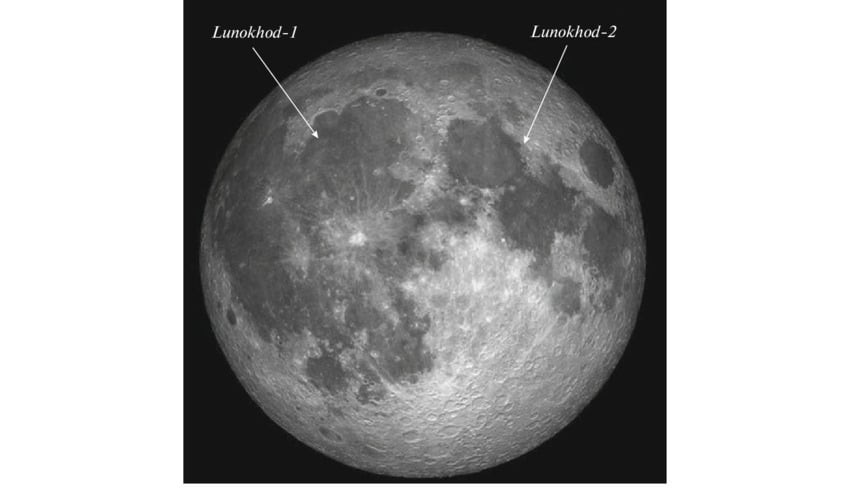
Scientists involved in the APOLLO project highlighted that Lunokhod 1 sits closer to the Moon’s edge, improving the precision of measuring lunar librations and aiding in better understanding the Moon's inner structure. Murphy also raised an ongoing question stemming from this reactivation:
“Near full Moon, the strength of the returning light decreases by a factor of ten,” he said. “We need to understand what is causing this if we are contemplating putting additional scientific equipment on the Moon. Finding the Lunokhod 1 reflector will add important clues to this study.”
Extended laser ranging observations have demonstrated that the Moon is gradually drifting from Earth at a pace of about 3.8 centimeters each year and have supported evidence pointing to the Moon having a fluid core.
- Categories:
- Space


0 comments
Sign in to Comment