
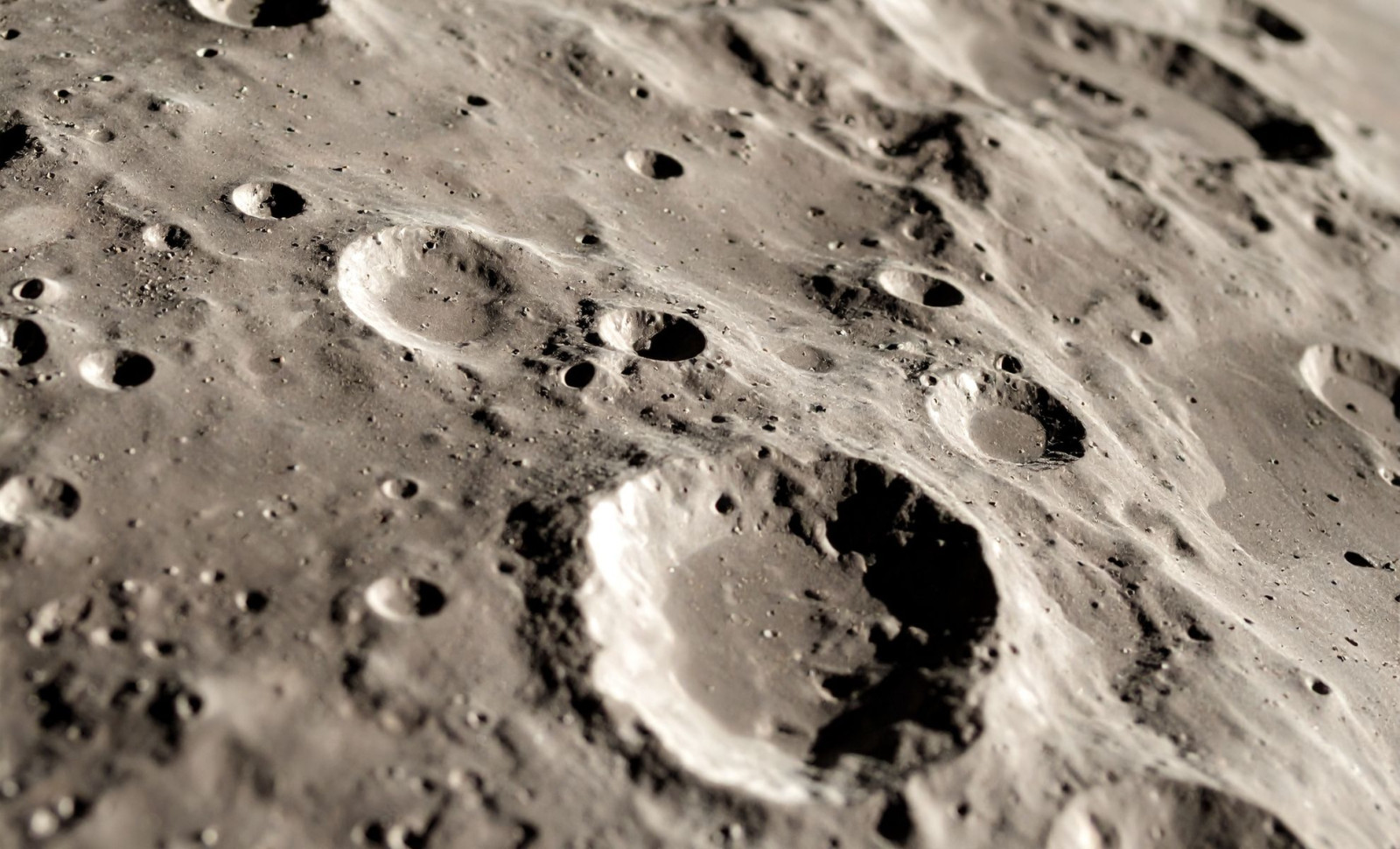
Instead of originating from one distinct occurrence, water ice on the Moon has likely built up gradually across billions of years. This new perspective is reshaping scientists’ understanding of the Moon’s polar ice deposits. For many years, the dominant view linked lunar water presence to comet and asteroid impacts during the Late Heavy Bombardment period, approximately 4.1 to 3.8 billion years ago. However, recent temperature data and advanced modeling from lunar missions suggest a more complex accumulation process.
Ancient Craters Reveal More Water
Led by Oded Aharonson alongside teams from the Laboratory for Atmospheric and Space Physics and the Planetary Science Institute, this study utilizes observations collected by NASA’s Lunar Reconnaissance Orbiter. Published in Nature Astronomy, it draws on temperature insights from the Diviner Lunar Radiometer Experiment to pinpoint craters that have remained in permanent darkness for the longest durations.
“Finding water beyond Earth in liquid and usable form is one of the most important challenges in astronomy,” said Aharonson.
Add Cosmo Herald as a Preferred Source

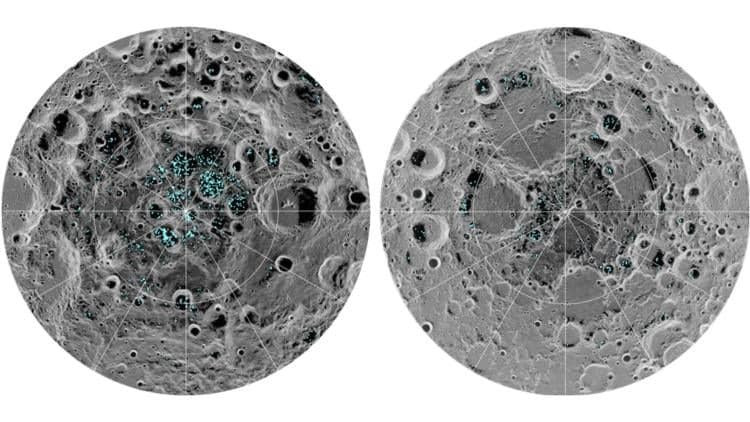
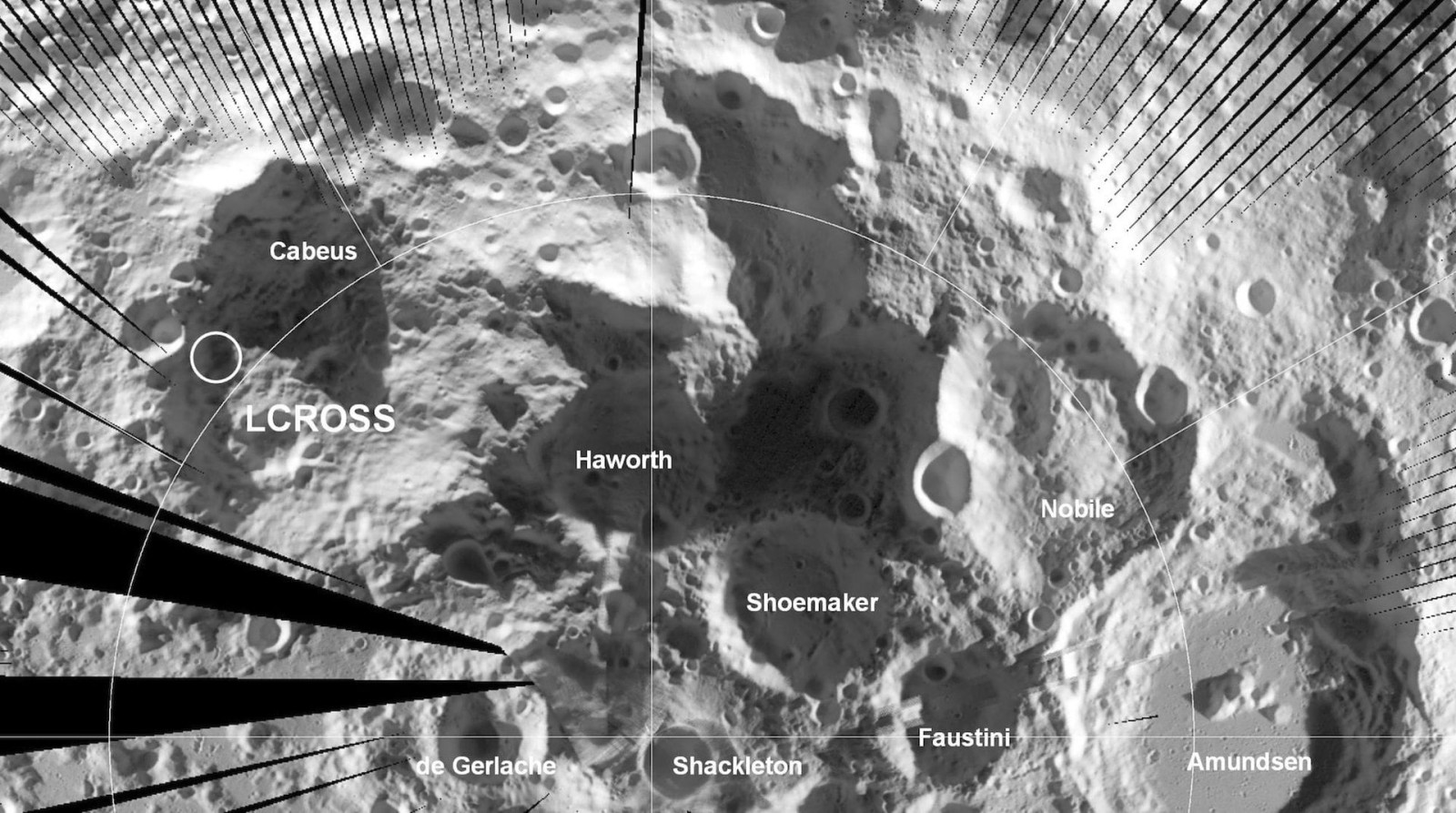
The findings demonstrate a distinct trend: the oldest craters contain higher concentrations of ice. For instance, Haworth Crater close to the lunar south pole has likely been shaded for billions of years, fostering prolonged ice preservation and growth. As Paul Hayne noted, such craters host some of the Moon’s richest ice reserves.
Ice From Diverse Origins Over Time
This investigation contests the notion that a single event was responsible for the Moon’s water supply. Instead, it proposes that water accumulation resulted from a mixture of sources over extended periods. Contributions might include delivery by comets and asteroids, chemical reactions induced by the solar wind, and release from ancient volcanic eruptions.
Such a multifaceted origin explains why ice deposits are unevenly spread across lunar terrains. Many craters did not remain sufficiently cold or shaded to retain significant ice.
According to University of Colorado Boulder data, simulation results indicate continuous ice deposition spanning roughly 3 to 3.5 billion years, discounting any single, large-scale water deposit.
Crucial Resource for Upcoming Lunar Exploration
Discovering ice in permanently shadowed lunar craters holds significant promise for future space exploration. Agencies like NASA and ESA view these trapped water reserves as vital for providing astronauts with drinking water, enabling plant cultivation, and producing fuel components such as liquid hydrogen and oxygen.
This is why areas such as the South Pole-Aitken Basin are key targets for ongoing missions. Efforts like the Artemis program and various international missions plan extended operations in these zones.
Despite progress, the precise origins of lunar ice remain a mystery. As researchers emphasize, detailed analysis of returned samples will be critical for definitive answers. Instruments onboard upcoming missions, including the L-CIRiS instrument, are expected to provide finer measurements from the Moon’s southern polar regions.
“Ultimately, the question of the source of the moon’s water will only be solved by sample analysis,” he said. “We will need to go to the moon to analyze those samples there or find ways to bring them from the moon back to Earth.”
- Categories:
- News




0 comments
Sign in to Comment