
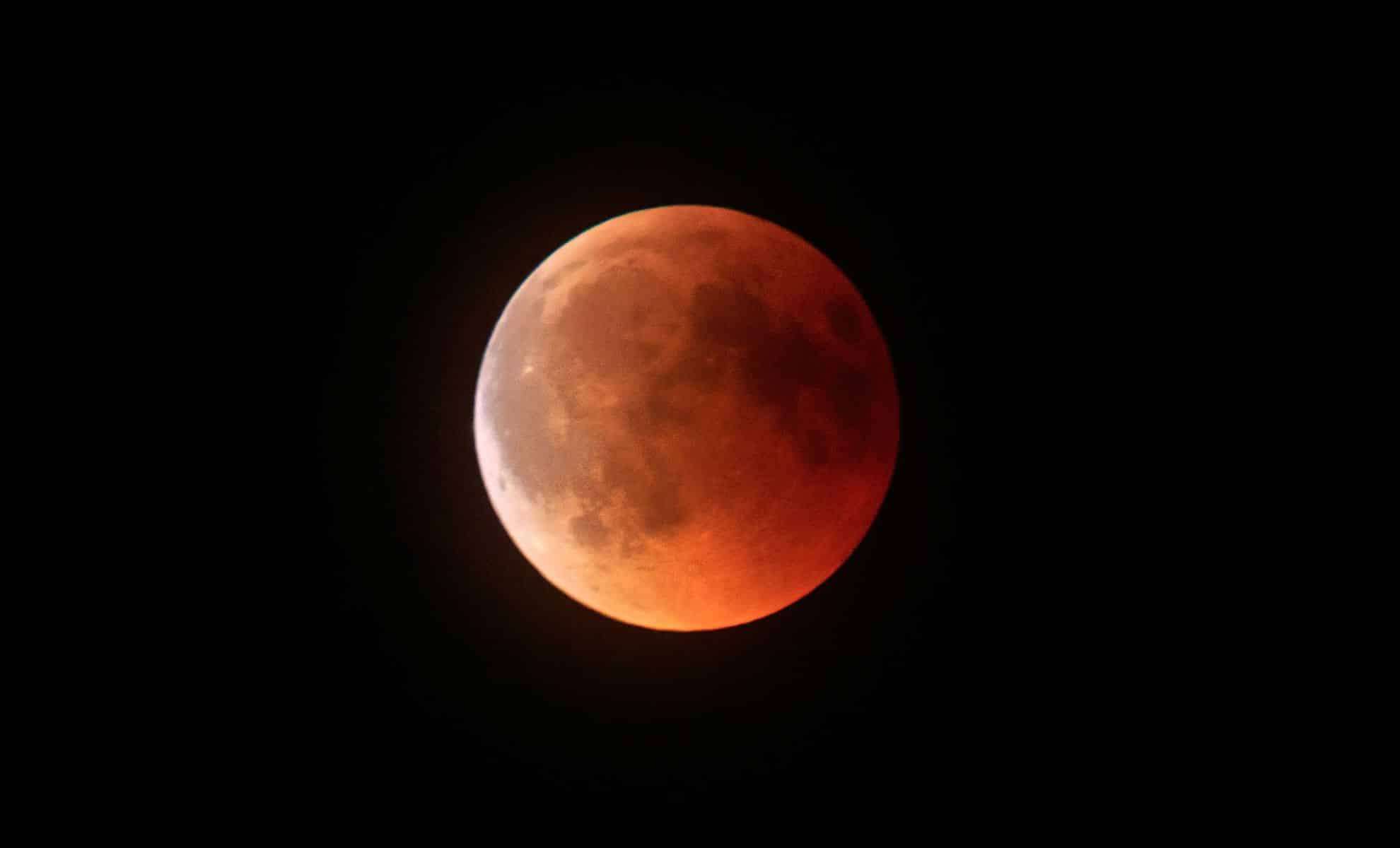
As 2025 draws near, astronomy enthusiasts around the globe are gearing up for a stunning cosmic occurrence: a total lunar eclipse set to unfold during the nights of September 7 and 8. Following an earlier eclipse in the same year, this event will last an impressive 5 hours and 27 minutes, during which the moon will glow in a captivating reddish-orange shade, popularly dubbed a “Blood Moon.” Time and Date highlights that this eclipse will be visible across wide swaths of Asia, parts of East Africa, and Western Australia, making it accessible to over 60% of the world’s population. Detailed information about the timing and visibility is available from Time and Date for those planning their celestial observations.
The Science Behind the “Blood Moon” and Total Lunar Eclipses
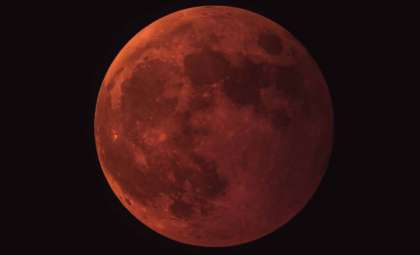
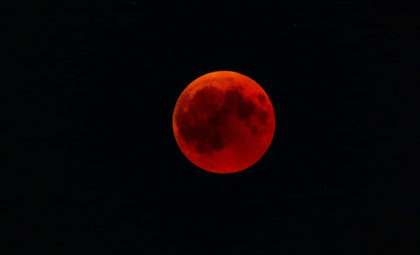
A total lunar eclipse happens when the Earth positions itself directly between the Sun and the Moon, casting the lunar surface entirely into our planet’s shadow. Unlike solar eclipses, where the Moon obscures the Sun from Earth's view, lunar eclipses darken the Moon and give it a striking red-orange color. This occurs because Earth's atmosphere scatters shorter-wavelength light (like blue and green) while allowing longer wavelengths (reds) to bend and illuminate the Moon, producing the iconic “Blood Moon” glow.
The 2025 eclipse will be the longest since 2022, with totality lasting about 1 hour and 22 minutes. This extended period provides ample opportunity for enthusiasts to witness the Moon's transformation from bright white to an otherworldly crimson. Such events have captivated observers—both professional and casual—throughout history, as the Blood Moon presents a rare chance to watch the night sky take on an evocative and mysterious tone.

Optimal Spots to Witness the 2025 Lunar Eclipse
Time and Date reports that nearly 60% of humanity will get a clear view of this celestial spectacle from start to finish. Continental Asia, East Africa, and Western Australia are particularly well-positioned for full visibility, while parts of Europe, Africa, and Australia will observe partial phases depending on local conditions like weather and cloud cover. For the best experience, viewers should seek locations free from urban light pollution and with unobstructed horizons.
In the United Kingdom, the eclipse’s peak occurs at 19:11 BST, but the Moon will still be below the horizon then. The most favorable viewing time starts around 7:33 p.m., as the Moon rises and begins exiting Earth’s shadow. This celestial event continues until roughly 9:55 p.m., offering an extended window for observation. Those in the UK and similar regions should consider high vantage points with clear eastern exposures to maximize their eclipse experience.
Limited Viewing Opportunities for North America
For the majority of North America, this lunar eclipse will be mostly invisible. Since the event occurs during daylight hours across much of the continent, the Moon will remain below the horizon for most observers in the U.S., Canada, and Mexico. Earth’s rotation and eclipse timing make viewing impossible in these areas.
However, a notable exception exists for Alaska residents, who will catch the beginning of the penumbral phase when the Moon enters the outer shadow of Earth. While they won’t experience the full eclipse, this partial view still offers a glimpse of the event. Others in North America can look forward to upcoming astronomical events, such as the eagerly anticipated solar eclipse on April 8, 2024, which will provide a dramatic spectacle visible across much of the continent.
Understanding Lunar Eclipses: Unique Alignments and Safe Viewing
Lunar eclipses occur less frequently than solar eclipses, but unlike solar events, they pose no risk to eyesight and can be enjoyed without special protection. A total lunar eclipse transpires when the Sun, Earth, and Moon align perfectly so that Earth's shadow fully covers the Moon’s surface, causing a gradual darkening and a reddish tint.
During the 2025 eclipse, Earth's shadow will creep across the Moon, coloring it from bright white to deep red. Variations in the eclipse’s duration and intensity of the red hue depend on atmospheric conditions and the Moon’s distance from Earth. Across cultures and centuries, lunar eclipses have inspired awe and myths, often regarded as powerful omens or supernatural phenomena.
Preparing to Watch the 2025 Lunar Eclipse: Viewing Tips
To make the most of the 2025 lunar eclipse, it’s helpful to plan ahead. Confirm the specific timings for your location since the eclipse’s visibility can differ widely depending on geographical and time zone factors. For observers in the UK and regions with clear views, elevated spots with an unobstructed view toward the east are ideal. Those in areas affected by light pollution should seek out darker locations away from city lights to enhance the viewing experience.
While no special instruments are necessary to enjoy the lunar eclipse, binoculars or a small telescope can greatly enrich the experience by revealing surface details during the different eclipse stages. Most importantly, patience is crucial, as the Moon’s majestic transformation will unfold gradually, offering a mesmerizing show to those who watch carefully.
- Categories:
- News

0 comments
Sign in to Comment