
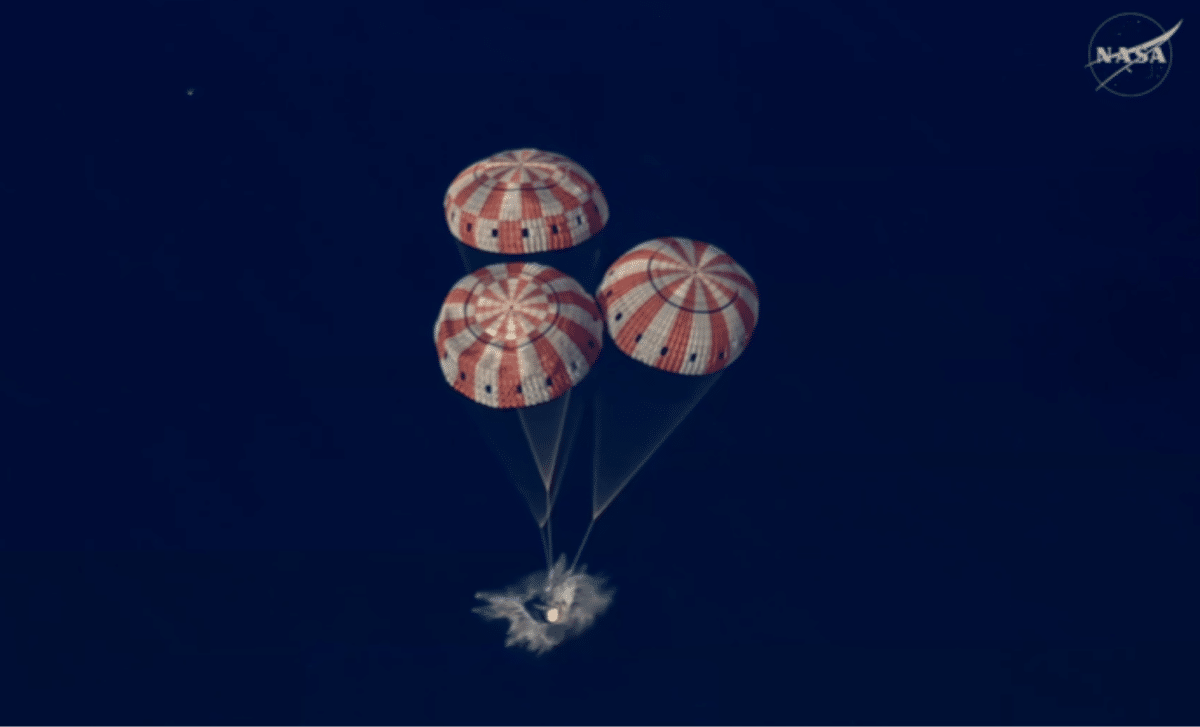
The Artemis II mission reached a pivotal achievement as NASA announced a successful re-entry on Flight Day 10, signifying a major step forward in humanity’s journey beyond low Earth orbit into deep space.
Successful Re-Entry Confirms Readiness for Upcoming Moon Missions
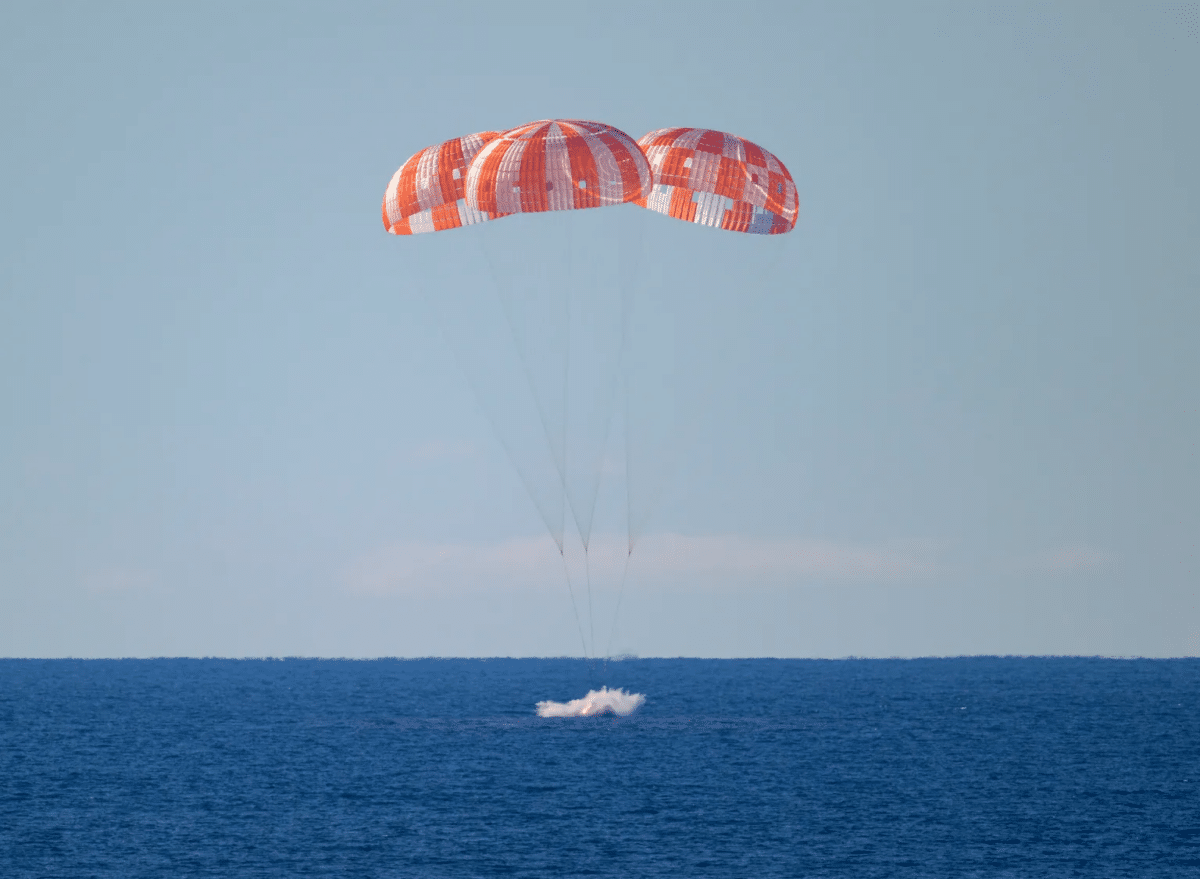
After several days navigating deep space, the Orion spacecraft carrying the Artemis II astronauts commenced its highly anticipated return trip to Earth, executing a carefully timed re-entry procedure that challenged both cutting-edge engineering and crew endurance. This phase is among the riskiest in any spaceflight, as the spacecraft endures intense heat while preserving its structure and trajectory. NASA’s engineering teams closely tracked all systems live, ensuring the heat shield, navigation, and parachute deployment systems performed flawlessly.
Insights gathered during this descent will be crucial for refining safety standards on future expeditions, including the upcoming Artemis III mission aimed at landing astronauts on the Moon. The significance of this achievement lies not only in the safe recovery but also in validating novel technologies flown with a crew in deep space for the first time. Artemis II bridges the technological advances since Apollo, integrating state-of-the-art systems into active spaceflight use.

The Strategic Significance of Artemis II's Deep Space Voyage
The Artemis II mission marks NASA’s return to crewed deep space travel after more than five decades, laying crucial groundwork for sustained lunar exploration. Unlike earlier missions limited to low Earth orbit, this flight sent Orion into a distant retrograde lunar orbit, exposing astronauts and systems to deep space radiation, communication delays, and autonomous navigation demands. As reported by NASA, this expedition served as both a proof of concept and a rigorous test of vital spacecraft functions needed for future crews.
Systems including life support, propulsion, navigation, and onboard computers were put through exhaustive real-world trials. The astronauts actively engaged in manual controls and provided feedback on vehicle operations, influencing future design tweaks. Beyond scientific and technical aims, the mission reinforces U.S. leadership in space and fosters collaboration opportunities within the Artemis program.

Testing Critical Technologies Under Extreme Conditions
Throughout the mission, Orion operated as both a spacecraft and a research platform, collecting extensive performance data across multiple onboard systems. Its heat shield, among the most advanced ever developed, endured temperatures above 2,700 degrees Celsius during re-entry — simulating conditions expected for future lunar or Martian return missions. Navigation combined autonomous onboard systems with ground tracking, demonstrating robustness amid expected communication delays.
The parachute deployment system underwent a complex, high-precision sequence crucial for a secure splashdown. NASA engineers highlighted the zero-tolerance margin for error during this stage. The mission also probed communication blackouts caused by plasma-forming during re-entry, relying on pre-set commands to maintain safety. These findings will enhance the planning and execution of future Artemis flights.
Implications for Human Exploration Beyond Earth
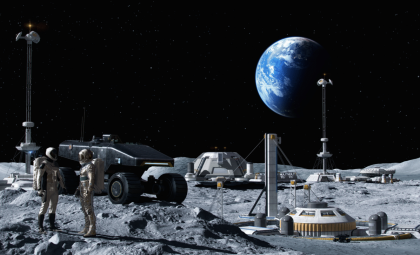
Successfully concluding Artemis II’s re-entry milestone represents a vital breakthrough for efforts to establish a permanent human foothold in space. Demonstrating crew safety traveling to and from deep space removes one of the biggest obstacles for NASA’s long-term exploration plans. This accomplishment boosts confidence in the Artemis program’s schedule, advancing the vision of sustainable lunar bases and eventual Mars expeditions. It also highlights the capability of modern spacecraft to operate reliably in extreme environments that were once deemed too risky.
As NASA continues to review the comprehensive data from the mission, the knowledge gained will drive improvements in safety and efficiency for future ventures. The return of Artemis II is not an endpoint but the start of a new chapter in consistent and dependable space travel beyond Earth.
- Categories:
- News







0 comments
Sign in to Comment