
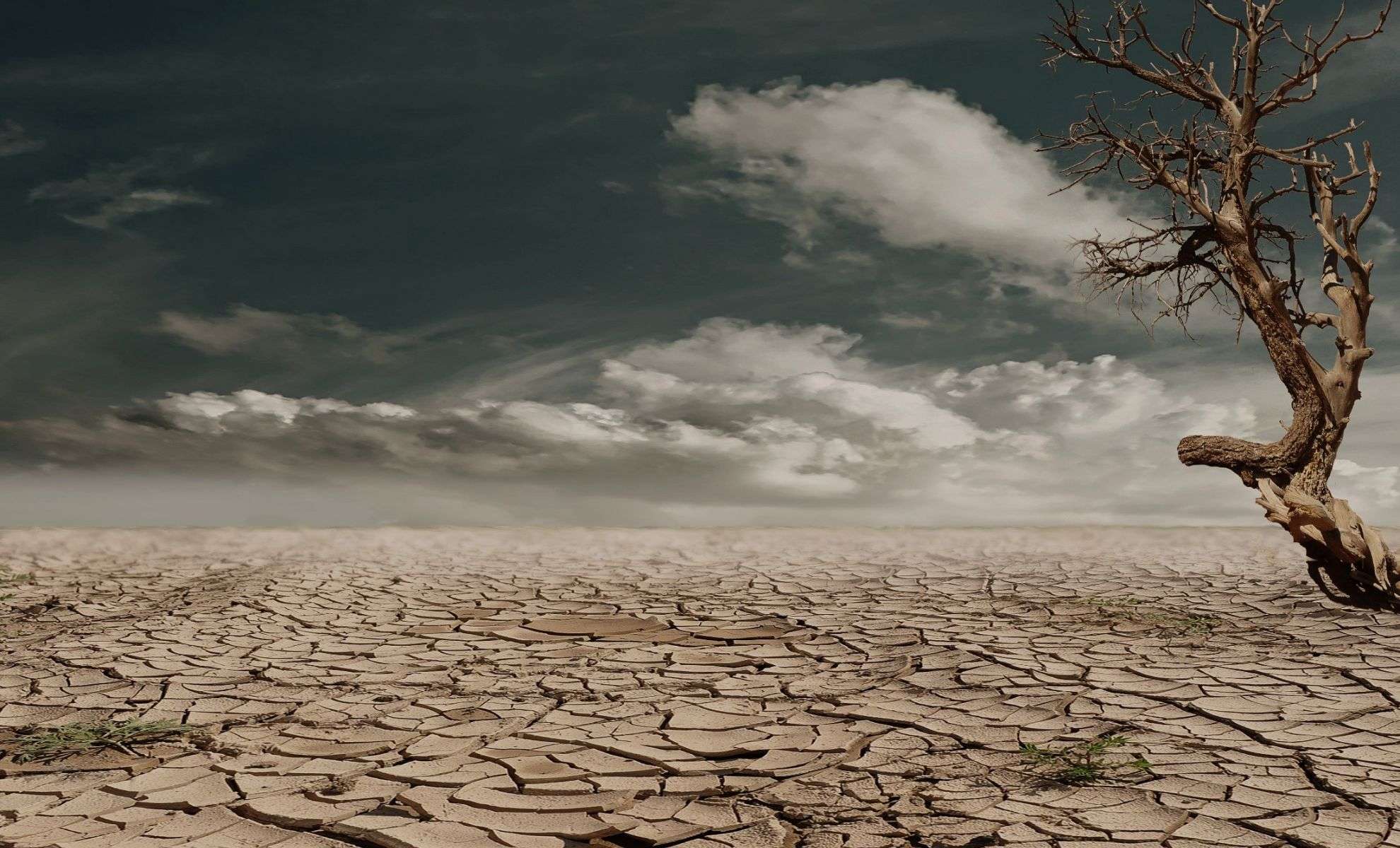
Recent research published in Earth’s Future emphasizes that rising global temperatures may trigger an irreversible alteration in worldwide precipitation patterns, jeopardizing water resources for nearly two billion individuals living in crucial equatorial zones. Central to this disruption is the intertropical convergence zone (ITCZ), a vital atmospheric feature that governs much of the rainfall near the equator.
Equatorial Rainfall Changes: A Looming Threat to Human Populations
The intertropical convergence zone (ITCZ) isn't merely a phenomenon for weather experts. It consists of a vast tropical cloud band created by the confluence of trade winds from both hemispheres and spans areas including Central and West Africa, the Amazon Basin, and Southeast Asia. This new investigation examines the impact of global temperature rises reaching 1.5°C (2.7°F) above pre-industrial baselines—even if only temporary. Currently, global warming is close to this level at 1.2°C, with projections indicating 2024 might set a new heat record.
Scientists employed eight cutting-edge Earth System Models to simulate both hypothetical and realistic climate futures. Their findings indicate that even brief warming episodes could push the ITCZ markedly southward, reshaping rainfall patterns with some regions—for example, northeast Brazil—experiencing intense flooding, while parts of Africa and Southeast Asia face sharply reduced precipitation. These changes are expected to persist on timescales meaningful to humanity.

“These impacts that we quantify here will be there for the long term,” said lead author Norman Steinert, senior climate researcher at the Center for International Climate Research in Norway.
Climate Models Illustrate Significant Rainfall Imbalances
The team examined two primary climate pathways: one idealized scenario with carbon dioxide levels increasing by 1% annually for 140 years before reversing at the same rate, and a more probable trajectory where emissions rise until 2040 before global reductions take effect. While some cases showed mild shifts in the ITCZ, others indicated major disruptions to rainfall regions that would remain even after temperatures decline.
The models also incorporated the weakening of the Atlantic Meridional Overturning Circulation (AMOC), a crucial ocean current that moves heat across the planet. As the AMOC diminishes, it exacerbates ITCZ fluctuations. Steinert commented,
“The assumption is that we won’t be able or won’t like to live in a warmer world, and would make actual efforts to bring temperatures down again at some point.”
However, a major concern is the lag in response: even if the climate cools, the ocean and atmosphere adjust slowly, potentially locking in irreversible rainfall shifts. Such erratic and uneven rainfall threatens agriculture, freshwater availability, and food security.
“Still, this storyline could play out in the future,” said Richard Allan, professor of climate science at the University of Reading. “Because it has such big possibilities for regional water availability, this has got to be taken seriously.”
Severe Impacts for Billions and Ecosystems
The study reveals that nearly 23% of the world’s population and over 12% of global land area might face serious disruptions to their water cycles. Populations reliant on predictable seasonal rains for farming, potable water, and hydroelectric power sources confront systemic vulnerabilities. The stability of sensitive ecosystems, including rainforests and savannas that depend on consistent moisture patterns, is also at risk.
The repercussions extend beyond water scarcity, threatening to trigger a cascade of effects on migration, public health, energy, and food supply chains. These changes could permanently alter these interconnected systems.
“I mean, that’s very clear,” Steinert emphasized. “Cut emissions as soon as possible.”
Immediate Global Measures Needed to Avert Crisis
Although these scenarios are not certain, their probabilities are no longer dismissible. Experts classify these outcomes as unlikely but feasible, underscoring the urgent need for policy intervention. Waiting for absolute certainty could result in crossing irreversible tipping points invisible until it’s too late.
This research adds to mounting evidence that climate thresholds are imminent and unpredictable. The recommended path forward is rapid emission reductions to prevent Earth from entering a new, unstable climatic phase with wide-ranging human consequences.
- Categories:
- News








0 comments
Sign in to Comment